



Issue 2
The Snowboard International Magazine returns with its second issue, diving even deeper


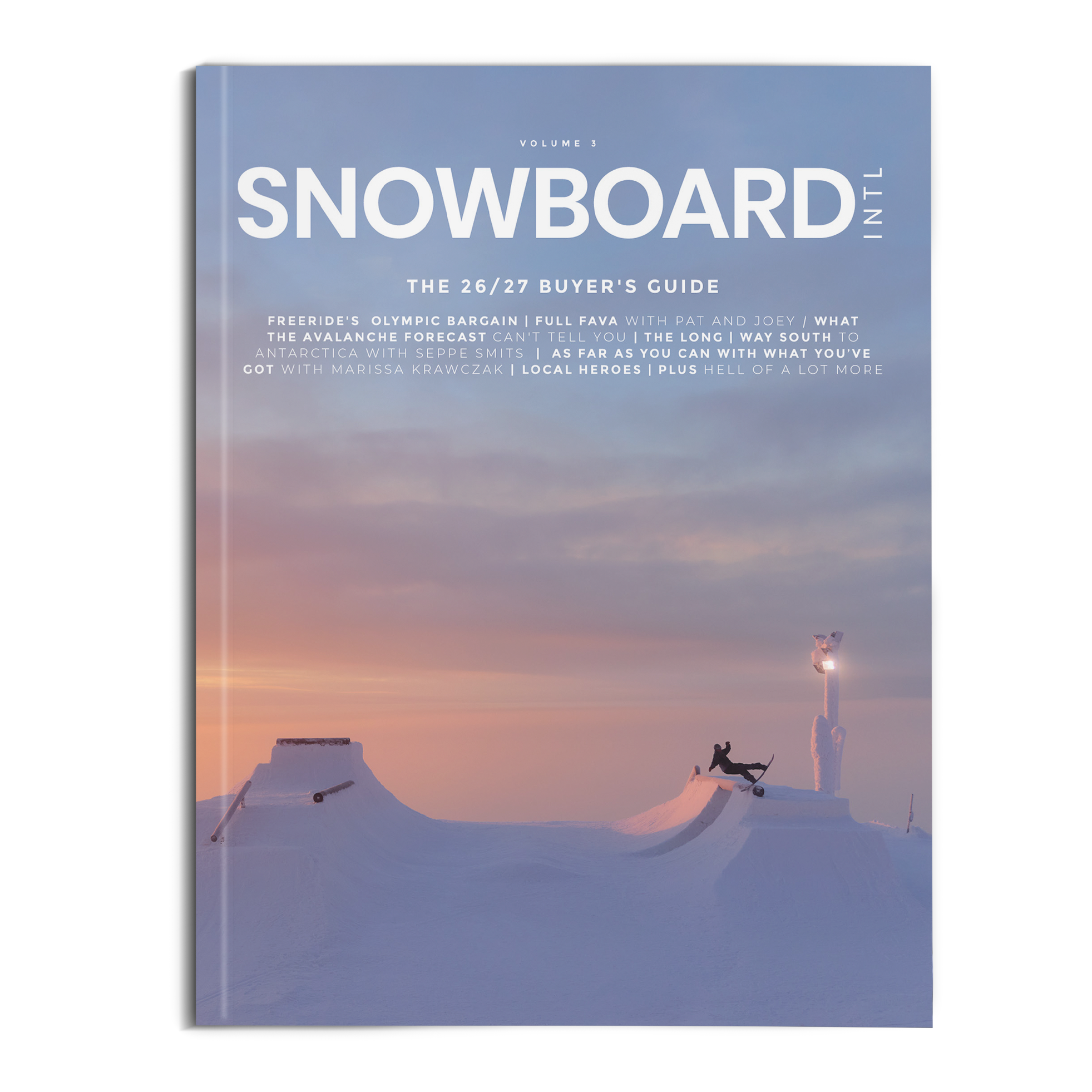
Snowboard International returns with a new issue full of the people, questions and ideas shaping snowboarding today. From freeride’s Olympic future and the realities of avalanche decision-making to Antarctica by sailboat, emerging street talent and the crews building culture from the ground up, Issue #3 looks beyond the results to the stories behind them.
Here’s a glimpse of what’s inside.
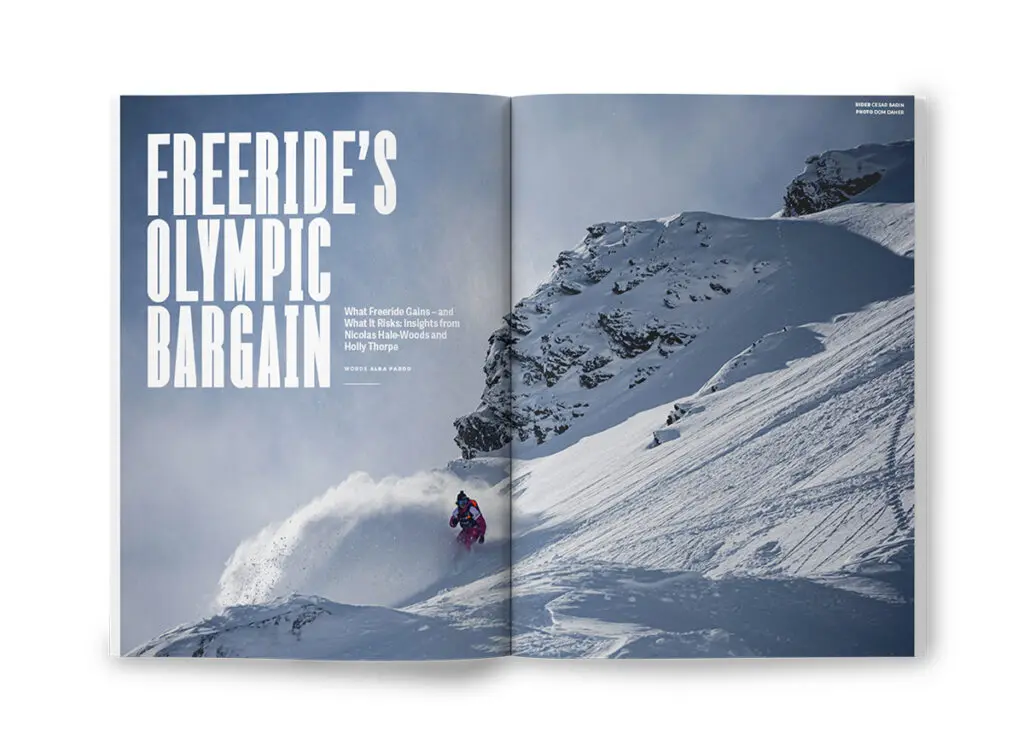
“What does freeride gain from the Olympics – and what might it lose?”
Freeride is heading to the Alpes 2030 Winter Games, bringing new visibility, investment and a potential pathway for the next generation. But Olympic recognition can change the sports it celebrates. Drawing on perspectives from Freeride World Tour founder Nicolas Hale-Woods and researcher Dr Holly Thorpe, we examine the opportunities, the trade-offs and the future of freeride on its biggest stage yet.
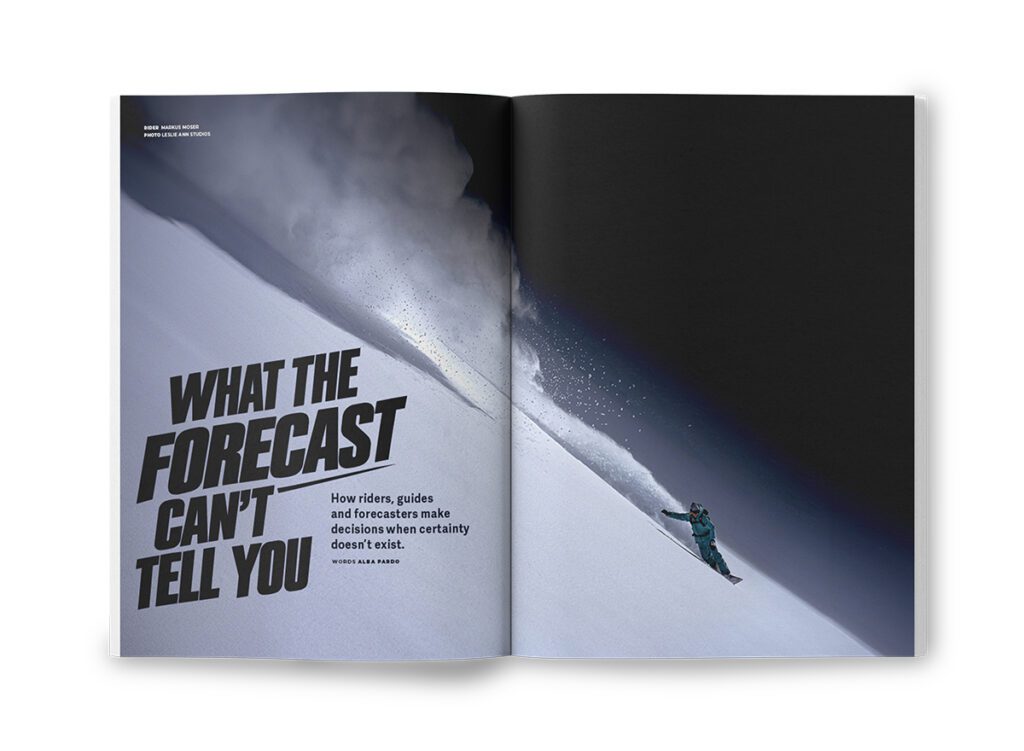
“No forecast can promise that the slope in front of you is safe.”
Following a devastating 2025/26 avalanche season in Europe and worldwide, we speak with mountain guides and forecasters about the decisions that happen beyond the danger rating. From unstable snowpacks and local knowledge to human judgement under uncertainty, this feature asks what it really takes to make informed calls in the backcountry, and why certainty is never part of the deal.
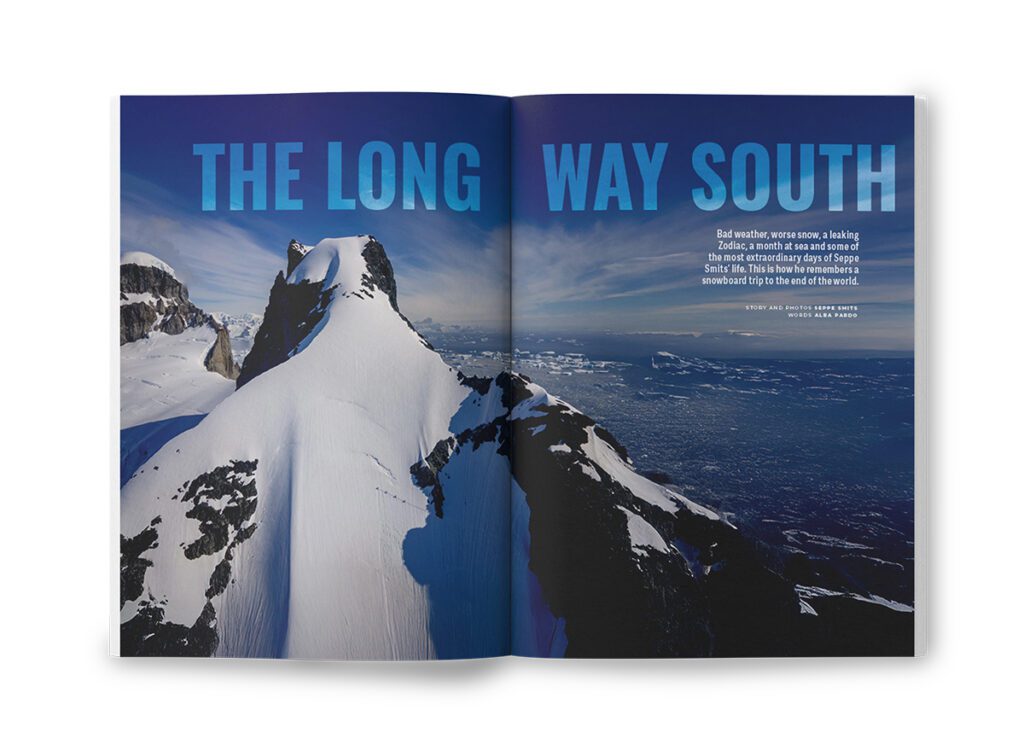
“A leaking Zodiac, a month at sea and a snowboard trip to the end of the world.”
Seppe Smits sets sail for Antarctica on a journey where reaching the mountains is an expedition in itself. With unpredictable weather, difficult snow and an unlikely crew of adventurers, this first-person story is about far more than finding good lines. It is an account of the long way there, everything that went wrong and the rare moments that made it worthwhile.
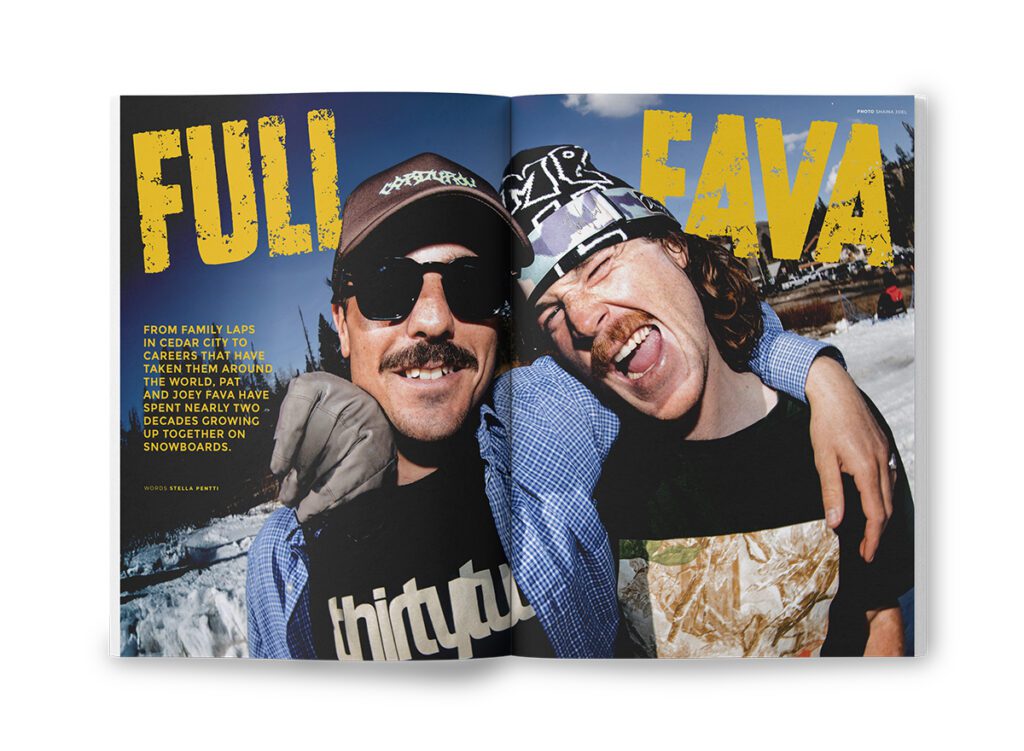
“Two brothers, two snowboard careers and one family that started it all.”
Pat and Joey Fava grew up making weekend trips from Cedar City with their family and friends. Now they have pro models, video parts and major street-contest results to their names. The brothers look back at the crews that raised them, what it means to build careers side by side and why having fun still sits at the centre of it all.
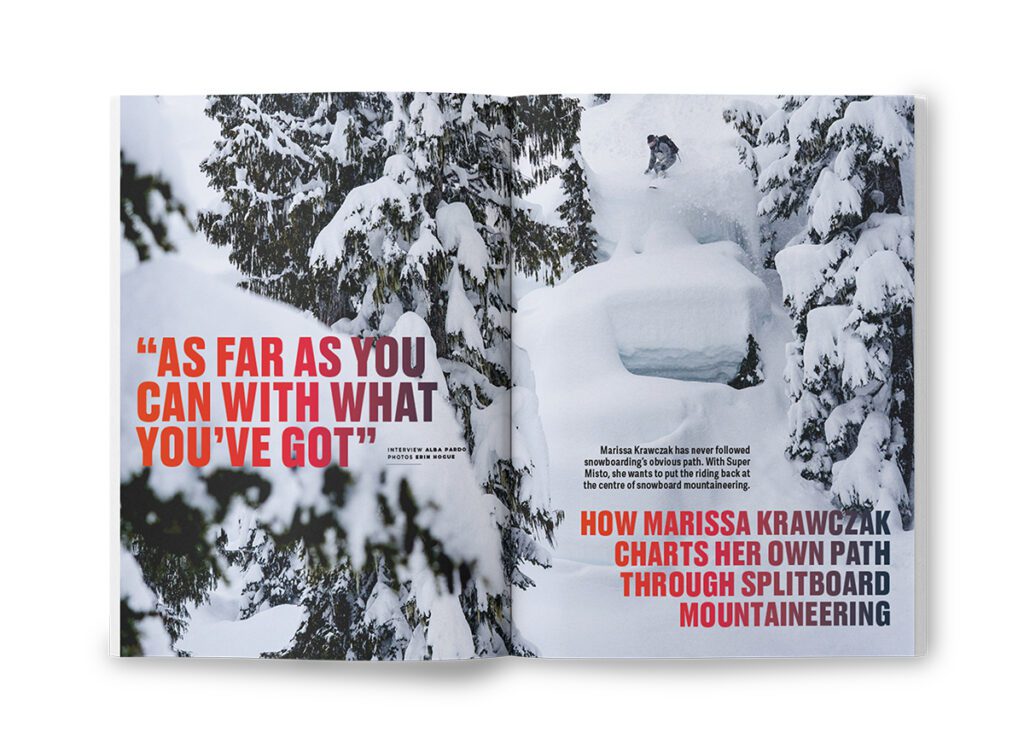
“Marissa Krawczak would rather find a line than build one.”
Former wildland firefighter and splitboard mountaineer Marissa Krawczak has forged her own route through snowboarding, from Denali to the Freeride World Tour. With her film Super Misto, she pushes back against polished ideas of what backcountry riding should look like, celebrating the difficult approaches, unpredictable conditions and honest riding that draw her into the mountains.
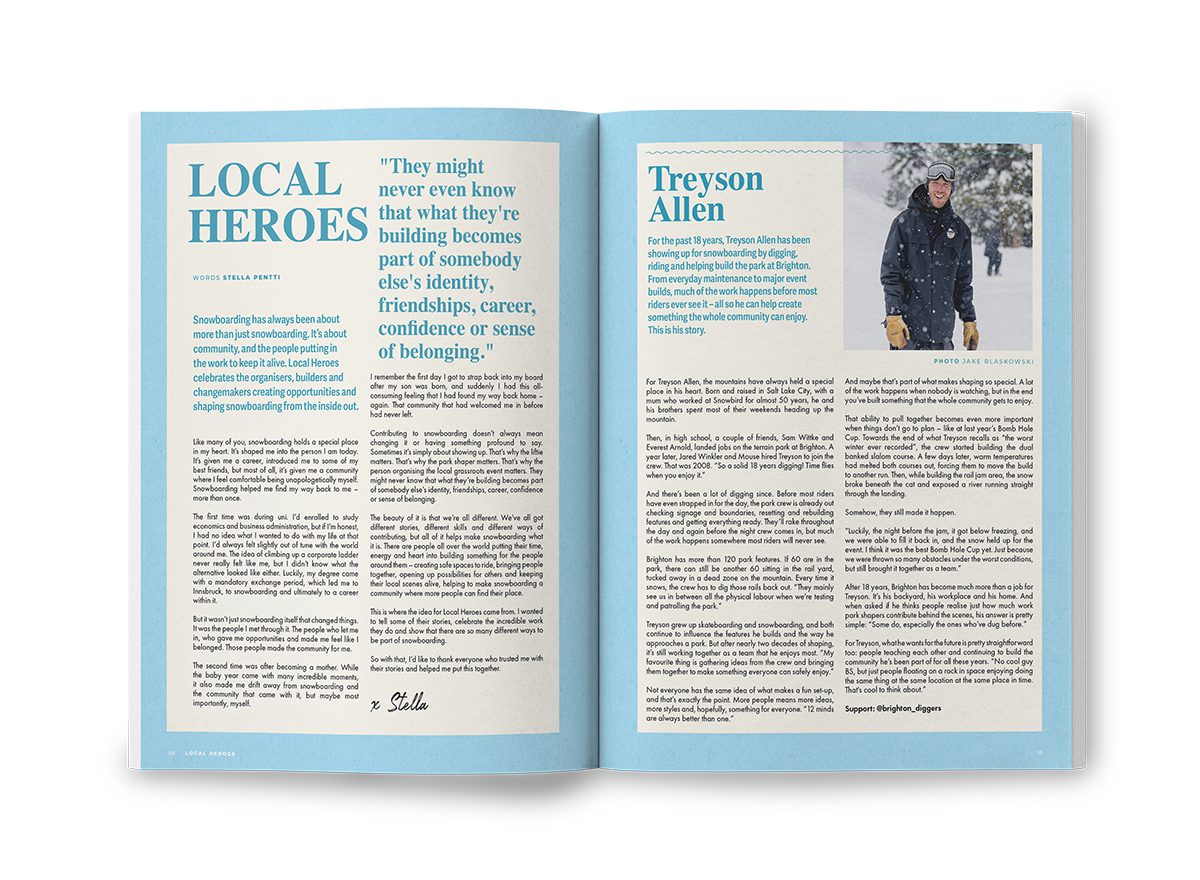
“Sometimes it’s simply about showing up.”
Not all snowboard heroes are professional riders. Some spend their days digging rails, running lifts, organising local events or creating spaces where the next generation can discover snowboarding. In Local Heroes, Stella Pentti introduces us to the people making a difference in their communities. From Abby Furrer’s work supporting Nakoda Skate and Snow in Canada and Muna’s efforts with Chill Switzerland to John Weatherley’s BoobyTrap in the UK and Cayley Alger’s She’ll Be Right in New Zealand, we celebrate the people whose passion and commitment help keep snowboarding alive, accessible and moving forward.
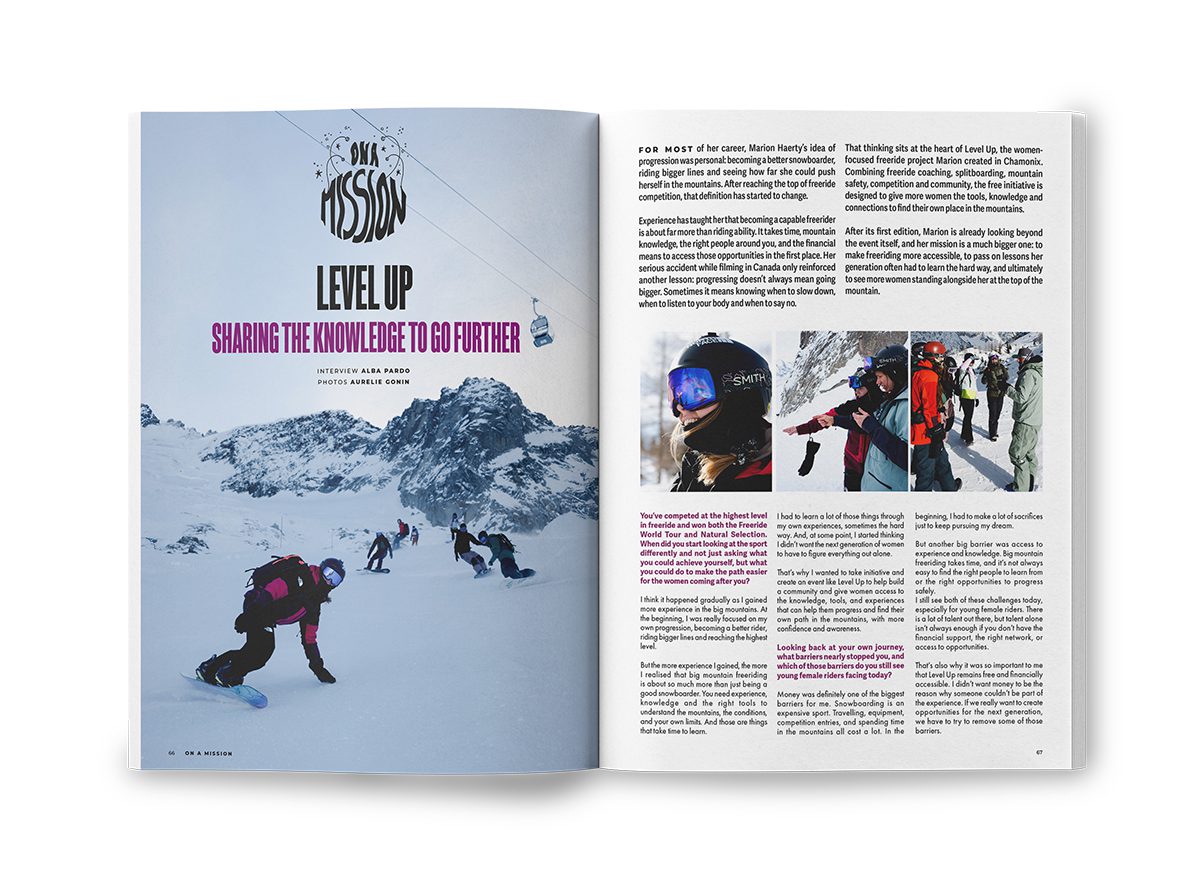
“What happens when progression stops being only about your own riding?”
After conquering some of freeride’s biggest contests, Marion Haerty is putting her energy into opening doors for other women. Her Level Up project in Chamonix brings together coaching, mountain safety, splitboarding and community. We talk about sharing knowledge, building confidence and creating opportunities for the next generation of freeriders.
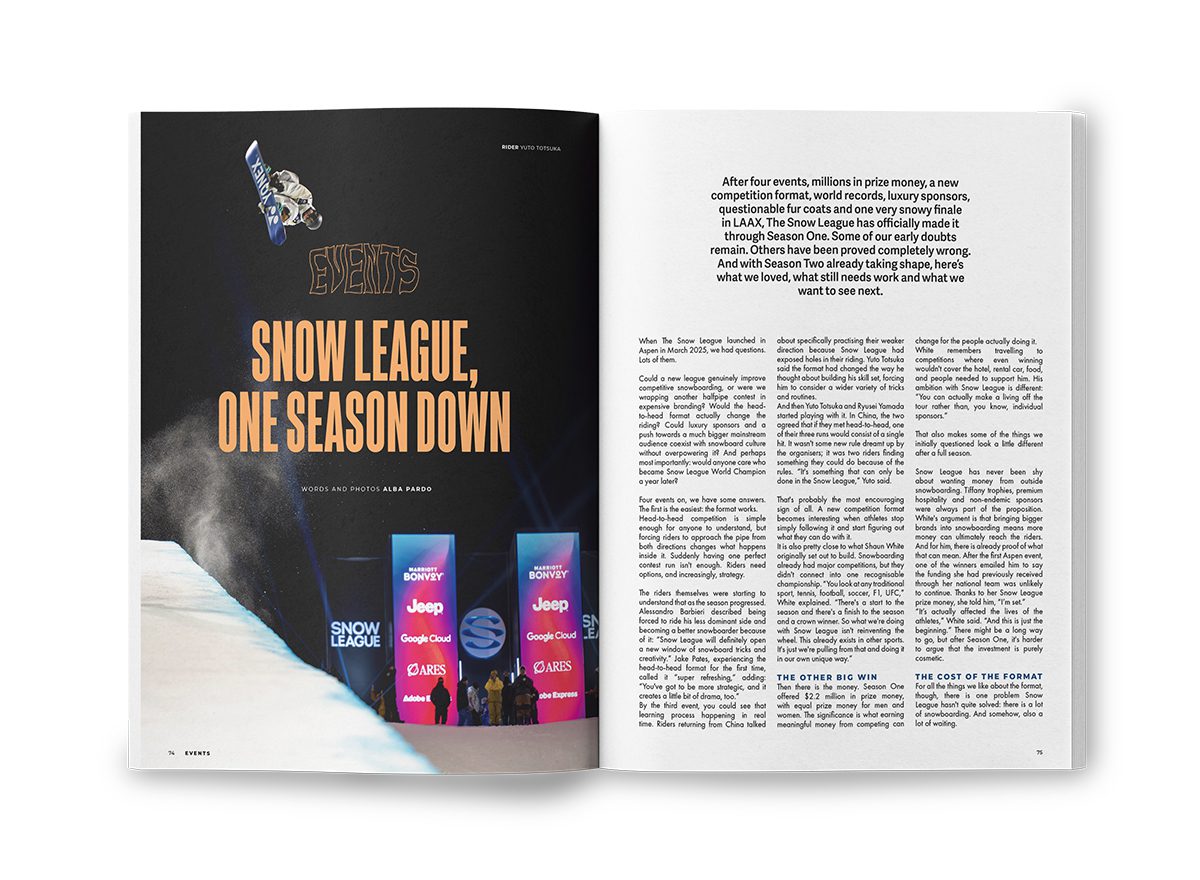
“A lot of snowboarding. And somehow, a lot of waiting.”
Four events, significant prize money, a head-to-head format and a snowy LAAX finale later, The Snow League has survived its first season. The riding is evolving, and athletes are being paid meaningful money, but the long days and demanding run counts raise questions. We look at what worked, what didn’t, and what Season Two needs to prove.
The Snowboard International Magazine returns with its second issue, diving even deeper

Snowboard International Magazine features some of the biggest names in snowboarding and
