




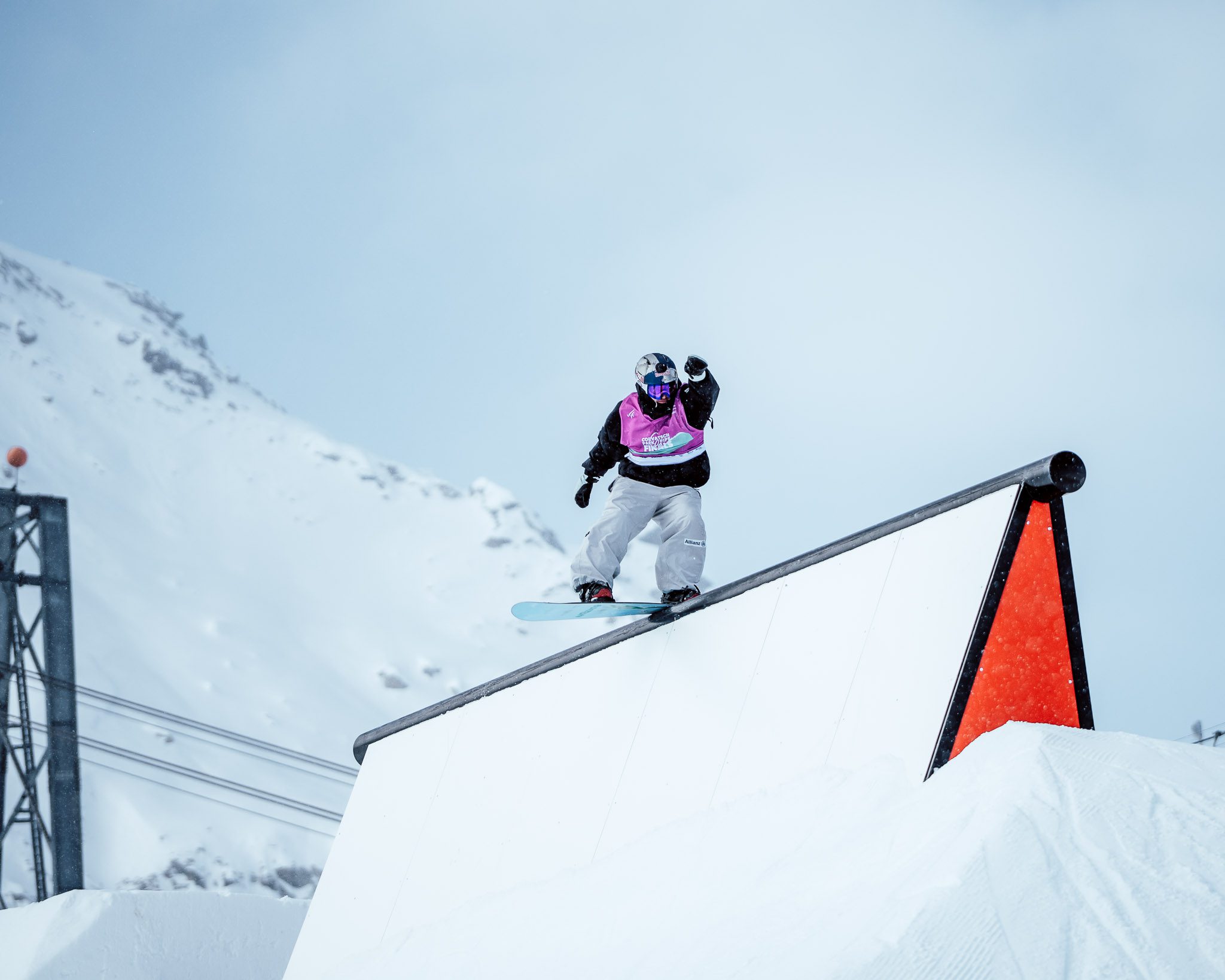
Crystal Globes on the Line in Silvaplana Season Finale
Silvaplana is set to host the final stop of the FIS Snowboard



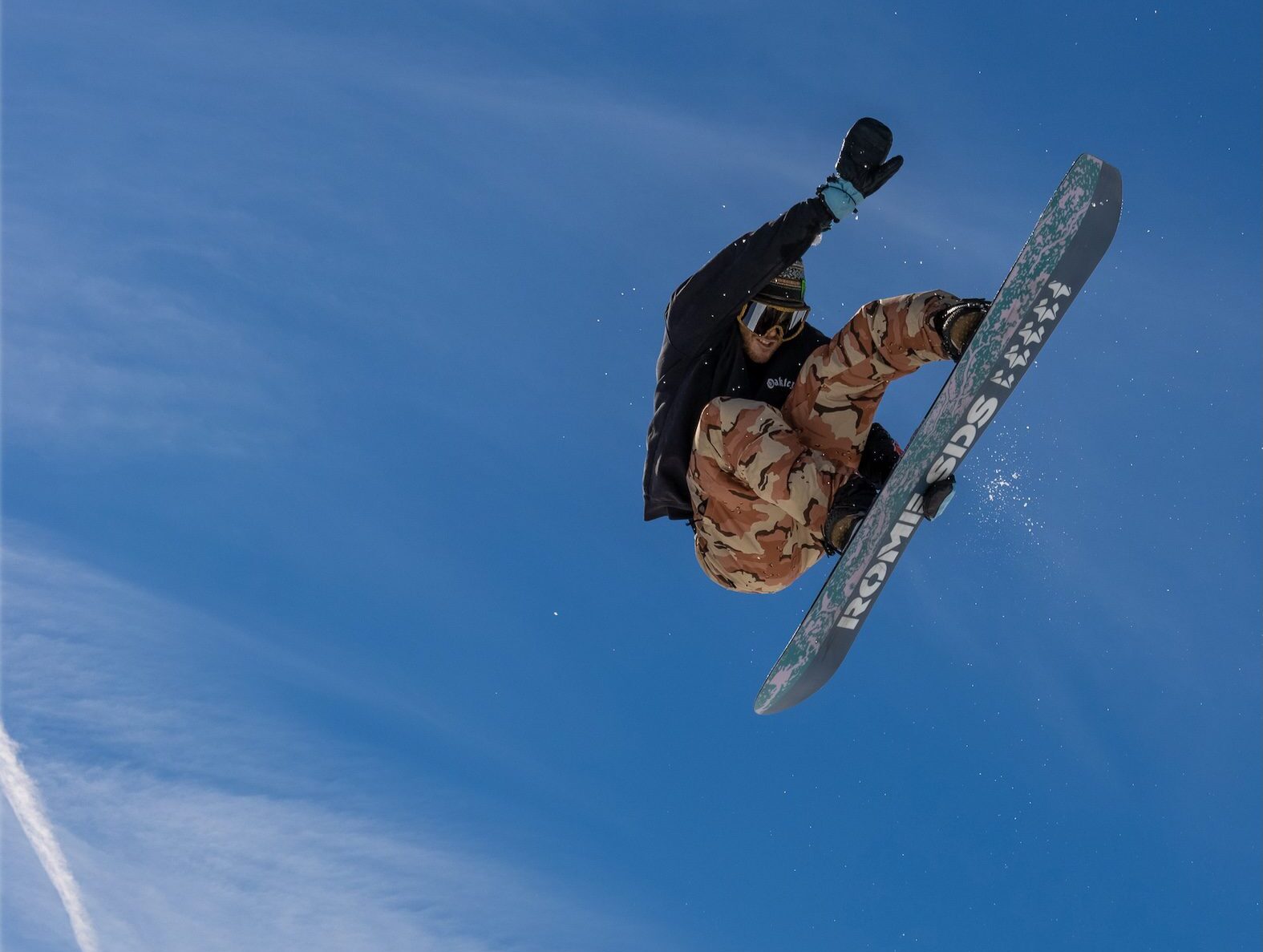
For a long time, the halfpipe was snowboarding’s center of gravity. Not just a contest format, but a meeting point. A place where progression happened in plain sight, where riders pushed each other lap after lap, and where style mattered as much as amplitude.
Somewhere along the way, that shifted. Pipes got bigger. More technical. More exclusive. And while the progression at the top level has never been higher, access at the ground level has quietly faded. Today, only a handful of superpipes exist worldwide, and for most riders, they’re more intimidating than inviting.
This spring in Hintertux Glacier, a new concept is testing whether the halfpipe can find its way back.
The idea is simple: what if the halfpipe had its own version of a blue run?
That’s essentially what the “Fun Pipe” sets out to be: a scaled, rethought version of the traditional pipe, designed to prioritize flow, accessibility, and repetition over sheer size.
Instead of 22-foot walls, the Fun Pipe sits at around 3.5 meters (roughly 11–13 feet), with a length of about 120 meters and a moderate pitch. The most noticeable difference, though, is in the shape: a rounded bottom that softens transitions and creates a more continuous, surf-like feeling from wall to wall.
The result is something that feels less like a high-consequence feature and more like a space you can actually spend time in. A place to learn, to lap and to play. And crucially, a place where progression doesn’t feel like a barrier to entry.
The project is spearheaded by Stefan Plattner, whose work with MTNpool and events like Rock A Rail has consistently blurred the line between street and resort riding. His thinking behind the Fun Pipe goes beyond just rider experience and it’s fueled by his passion of bringing the pipe back.
By using a newly developed 13-foot pipe shaping system from Zaugg AG, the concept also addresses one of the less talked-about realities of halfpipes: they’re expensive and complex to maintain.
Lower walls, simplified geometry, and more forgiving shaping requirements make the feature easier for resorts to build and keep in good condition. Something that could be key if the goal is to bring pipes back into more parks, not just elite training facilities.
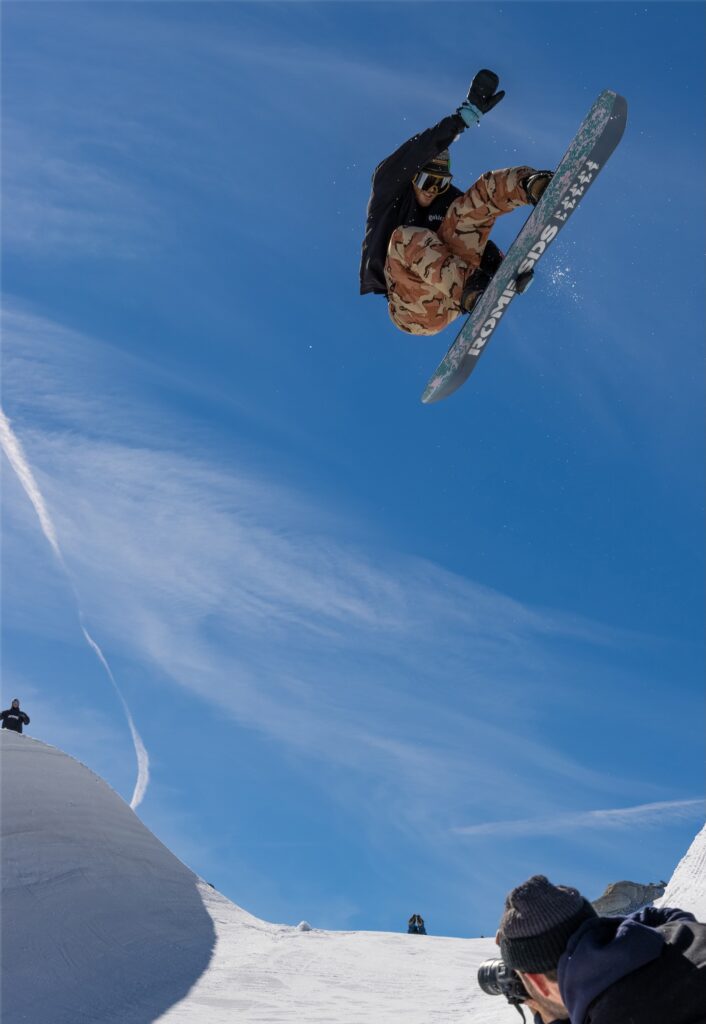
The Fun Pipe will debut at Betterpark Hintertux in May, transforming the existing pipe into a test version open to anyone willing to drop in: skiers, snowboarders, beginners, and pros alike.
But beyond the specs and the engineering, the bigger question is cultural. Because what’s really being tested here isn’t just a new design. It’s whether there’s still space in modern snowboarding for a middle ground.
Between beginner features and elite-level infrastructure. Between progression and play. Between performance and community.
The early vision leans heavily into that idea. Alongside open riding, the May rollout will include informal sessions, coaching, and low-pressure competitions designed less around results and more around participation.
A return, in some ways, to what the pipe used to represent.
It would be easy to frame the Fun Pipe as a step backwards. Smaller walls. Lower consequences. Less spectacle. But that misses the point.
If anything, it’s an attempt to solve a very current problem: how to make one of snowboarding’s most iconic formats relevant again for the majority of riders, not just the few operating at the highest level.
Whether it works will depend on more than just one glacier in Austria. But if the laps start stacking up, and if riders actually stay in the pipe instead of avoiding it, that might be the clearest signal yet that the halfpipe doesn’t need to get bigger to move forward.
It might just need to feel rideable again.
Silvaplana is set to host the final stop of the FIS Snowboard
In a conversation about the future of competitive snowboarding, Taylor Gold pointed
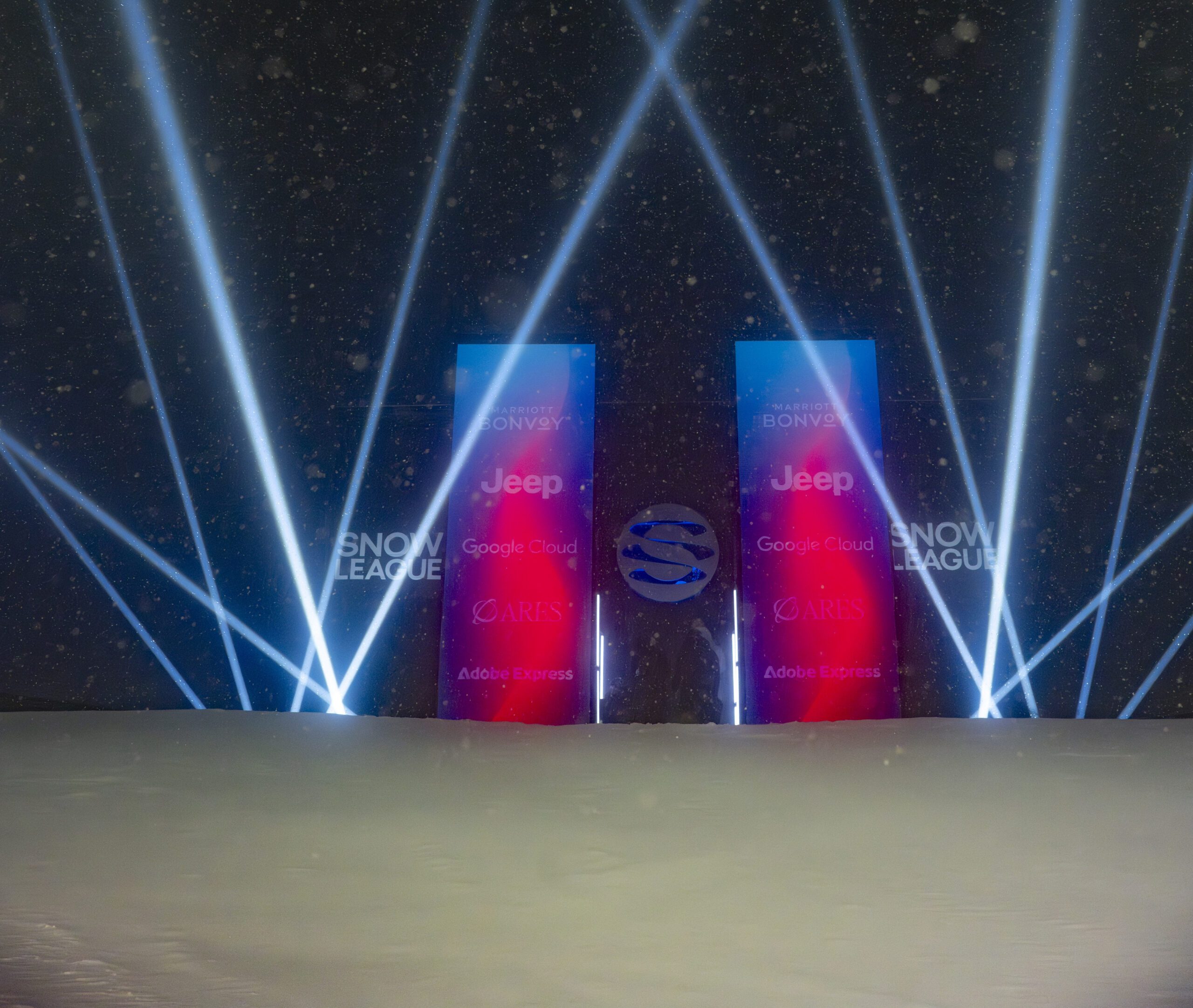
The first season of the Snow League didn’t end with a victory