




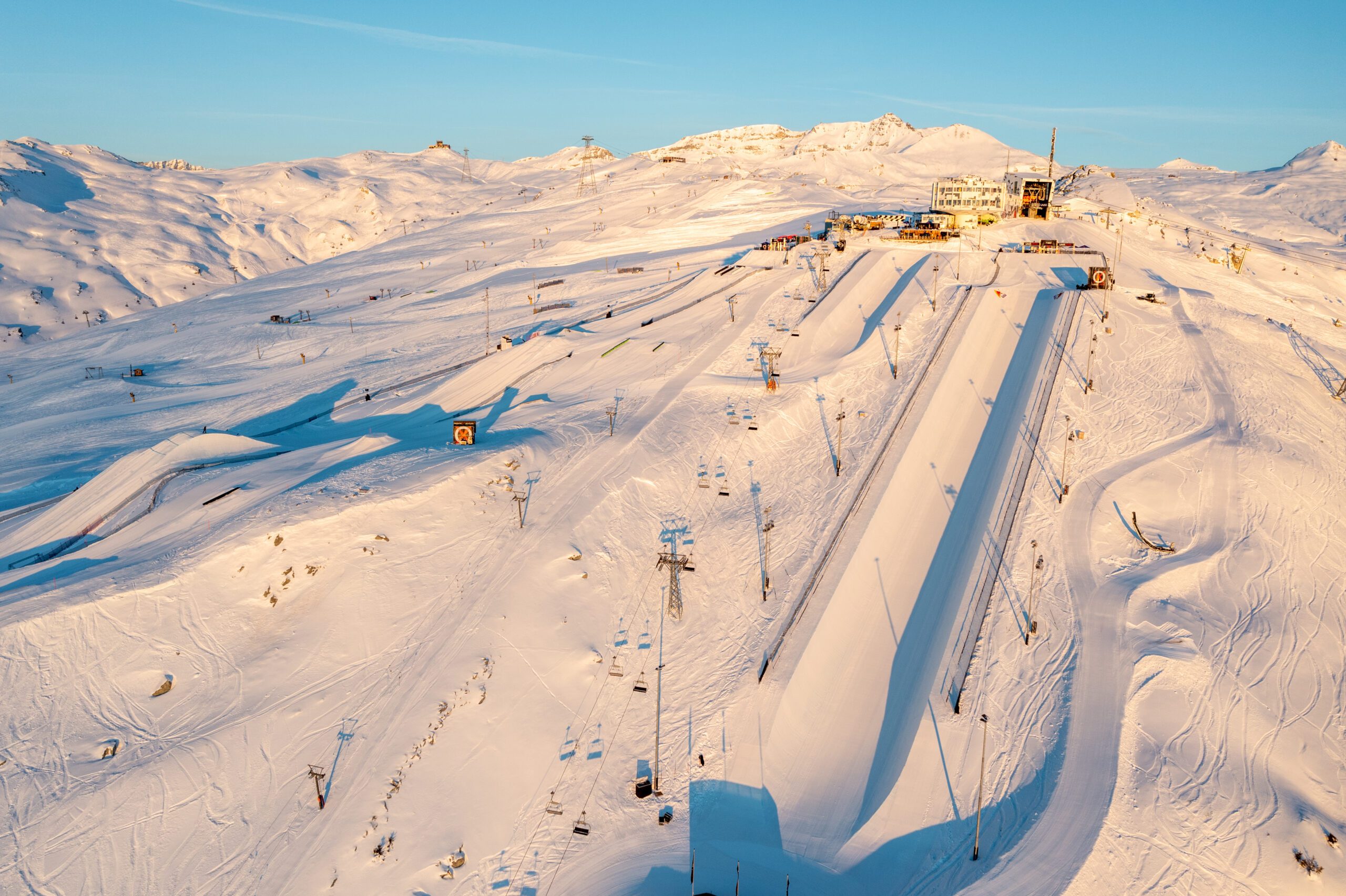
The Snow League Season Finale arrives to LAAX
Led by Olympic champion Yuto Totsuka, 32 of the world’s best halfpipe



In a conversation about the future of competitive snowboarding, Taylor Gold pointed to a simple idea: make courses so varied that riders can’t rely on one skillset. “You could even have moguls in a slopestyle,” he suggested, “forcing riders to adapt, not just perfect.“
This week in Oppdal, the Red Bull Features Cup feels like a step in exactly that direction.
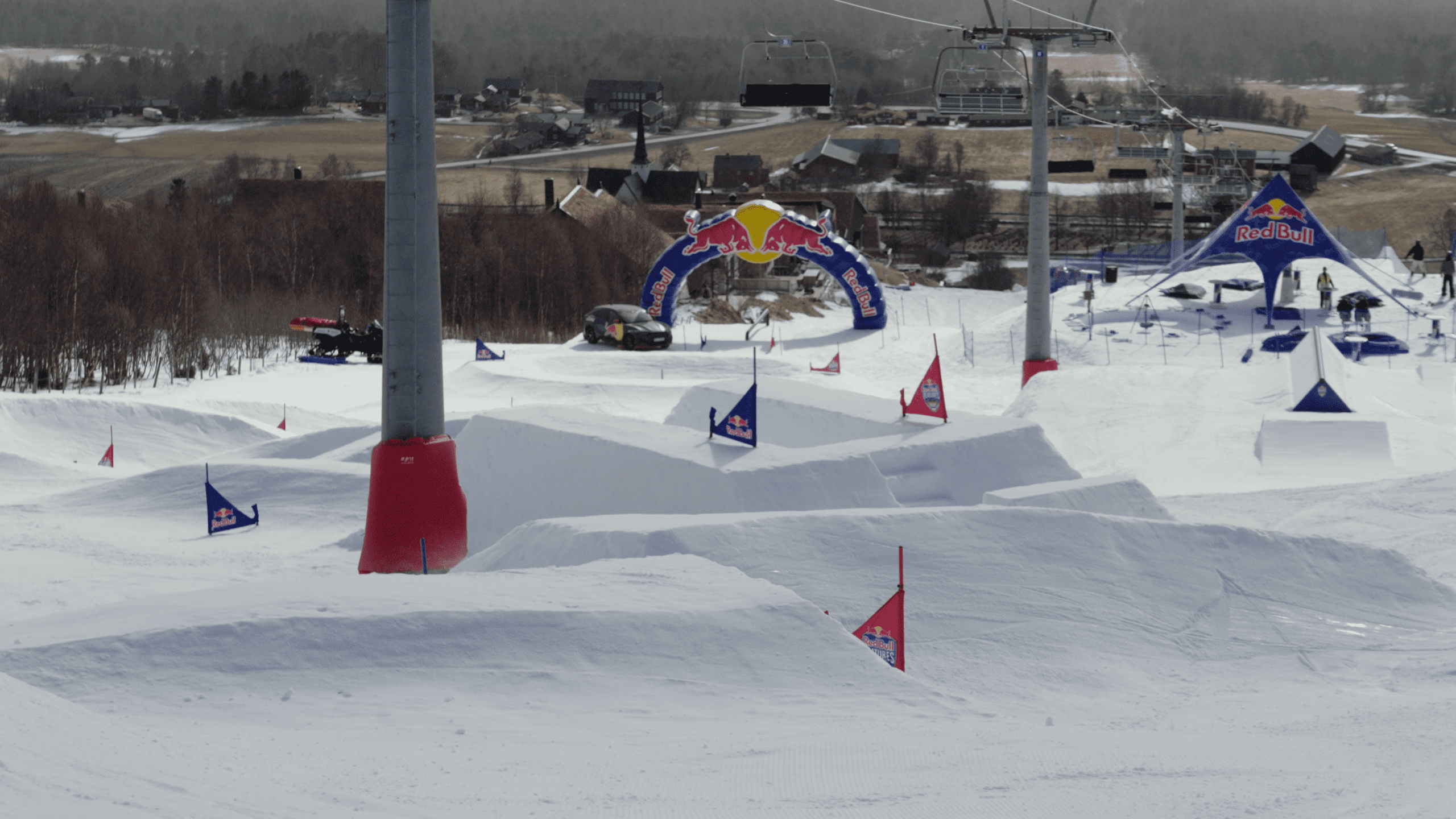
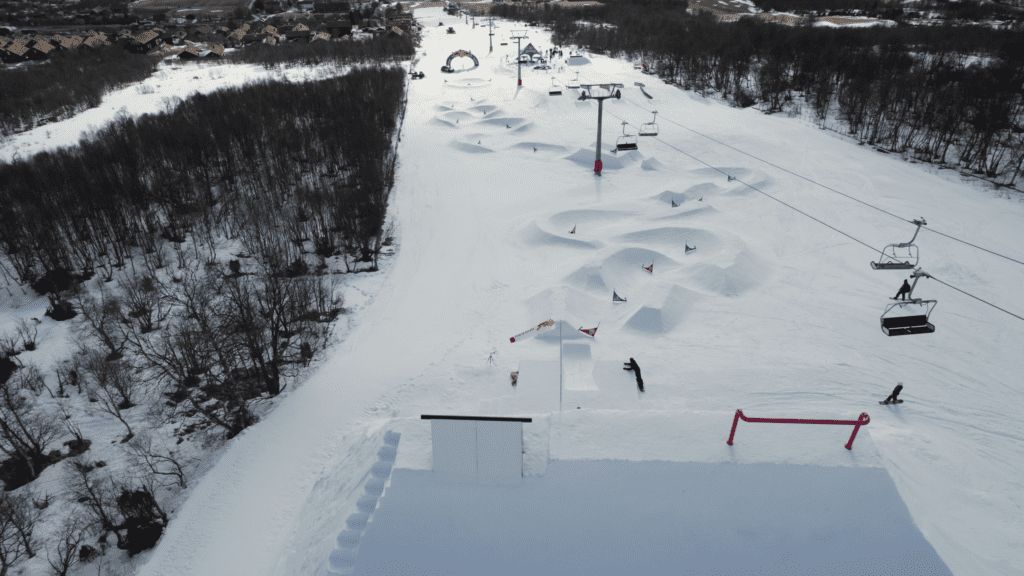
Rather than refining the same contest blueprint, the event flips it entirely. Twelve riders, split into three regional teams, Europe, North America, and Asia-Pacific, are thrown into a course that demands versatility as much as style. Rails, jumps, quarterpipe hits, and even a banked slalom all sit side by side, asking a simple question: who’s the most complete snowboarder when everything is on the table?
But the real shift isn’t just in the features, it’s in the format.
Gone is the pressure to stack the heaviest tricks possible into a single run. In its place, an open jam session built around flow, creativity, and team dynamics. Riders aren’t just competing individually; they’re strategizing together, choosing who hits what, and how to build momentum across four distinct zones. Marcus Kleveland, captain of Team Europe says:
Very excited to have an event like this, just 12 riders going out there to enjoy snowboarding as hard as possible. We have four sections with different features and challenges along the way.
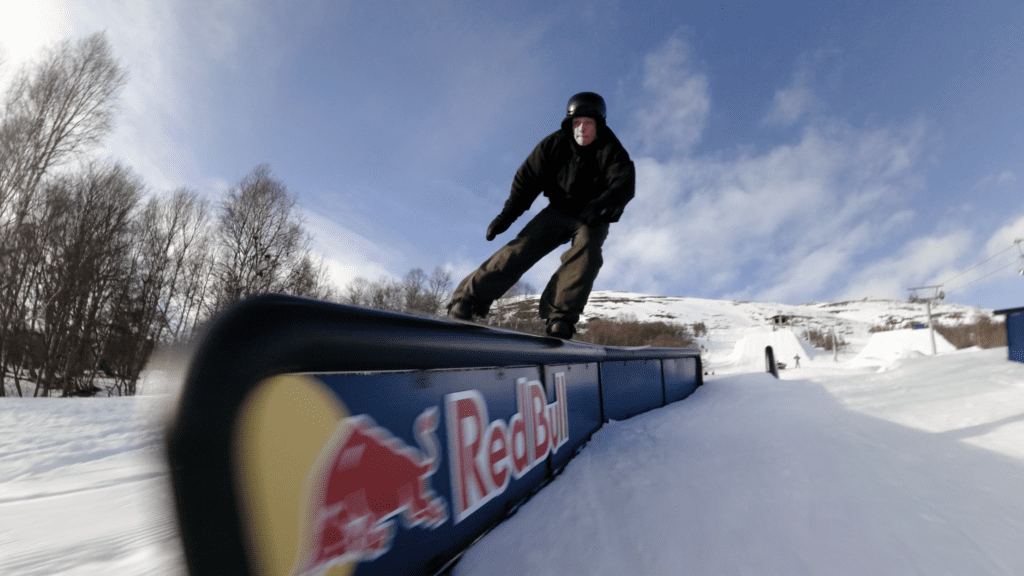
That mix of sections is what defines the event. The main jump line still rewards progression, but it sits alongside a Snake Run and banked slalom where time and technique matter just as much as airtime. The rail plaza leans into unpredictability, with a “spinner” challenge forcing riders to adapt on the spot, while the quarterpipe and hip bring things back to amplitude and style, with space for synchronized team hits.
For Cool Wakushima, leading the Asia-Pacific team, that shift is exactly the point.
It’s more about creativity and riding together, which is what I love, I’m super hyped to ride the course, but just as excited to watch and get inspired.
And that might be the biggest departure from traditional formats: inspiration is part of the scoring ecosystem, not a byproduct of it.
Judging is based on overall impression: amplitude, execution, creativity and trick diversity, but without the rigid structure that often funnels riders toward the same tricks, the same lines, the same outcomes. Instead, Features Cup leans into something snowboarding has always claimed to value: individuality.
There’s still structure beneath the surface. Teams compete across four zones, stacking results toward an overall title, while additional awards, from best trick to fastest rider, add layers of incentive. A wildcard “Mischief Multiplier” injects further unpredictability, rewarding riders who can think beyond the obvious.
But ultimately, the event isn’t trying to crown the rider with the most technical run. It’s asking something broader: who can adapt, collaborate, and interpret the mountain in real time?
In that sense, it feels less like a departure and more like a return to a version of snowboarding where style, creativity, and problem-solving carry as much weight as progression.
Whether formats like this become the future of competitive snowboarding remains to be seen. But if Gold’s vision was about breaking riders out of specialization, the Red Bull Features Cup is already putting that theory into practice.
And in doing so, it might be quietly redefining what “the best” actually means.
Led by Olympic champion Yuto Totsuka, 32 of the world’s best halfpipe
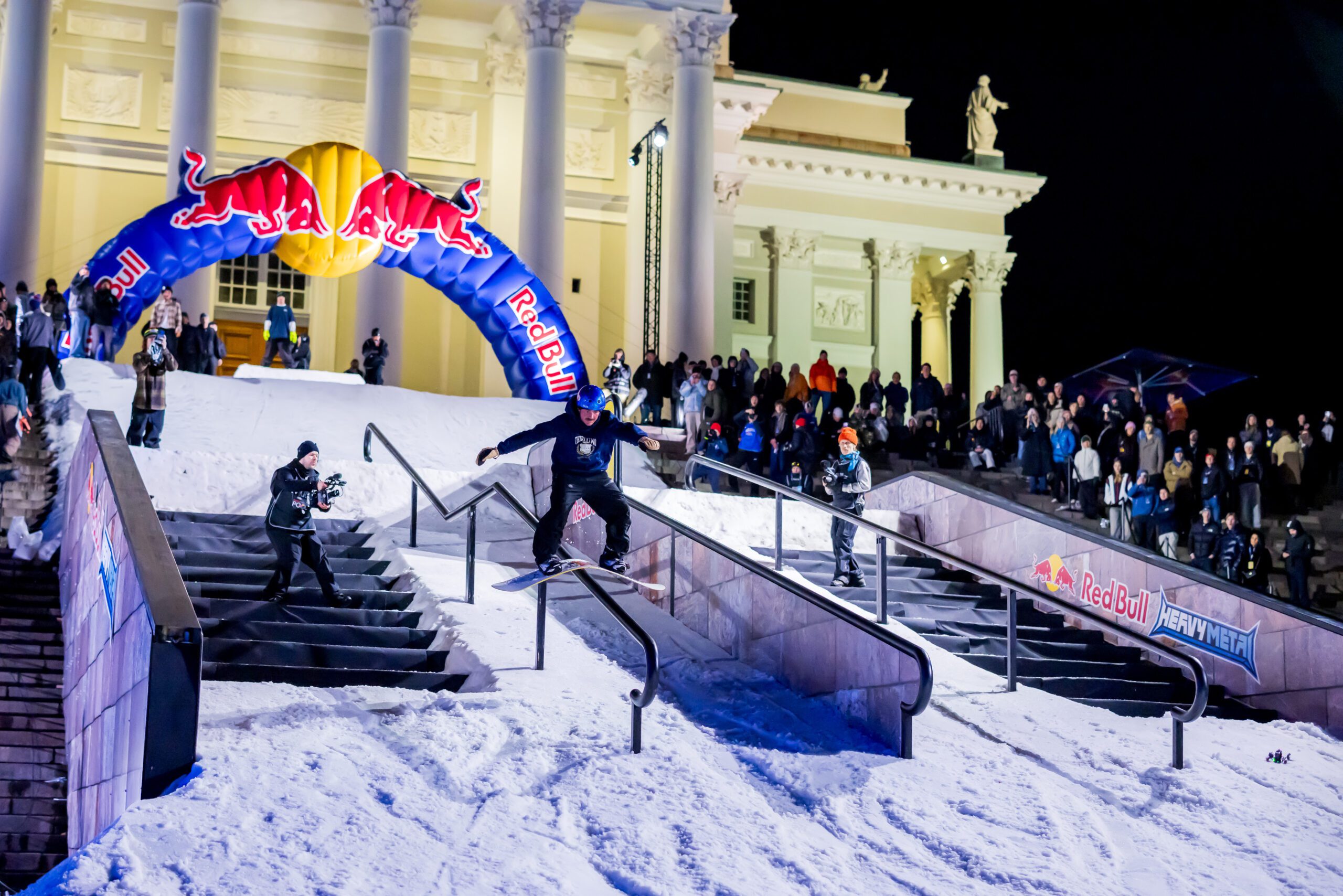
Pat Fava wins the first-ever Red Bull Heavy Metal outside of North
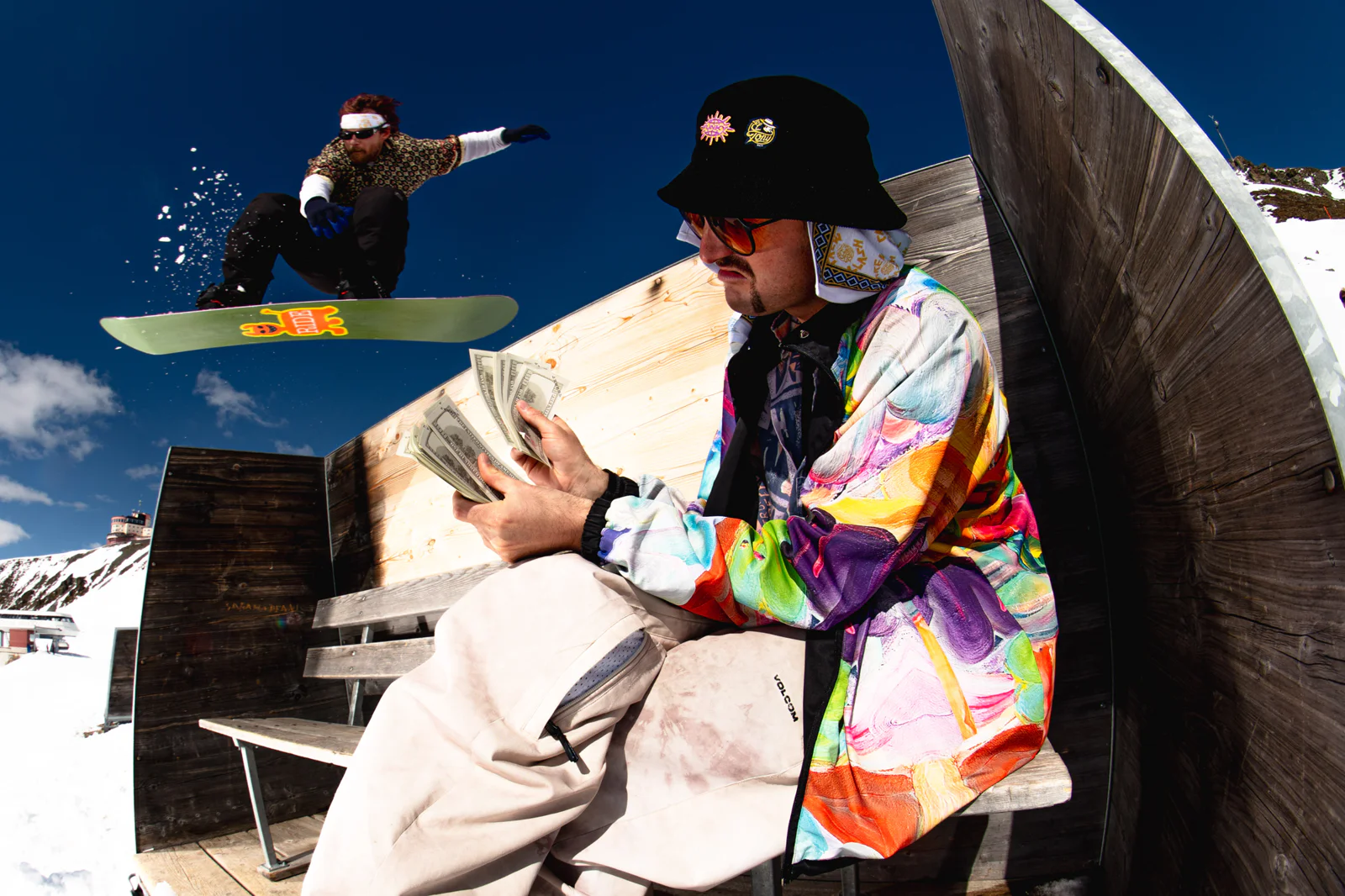
The crew-based snowboard video battle moves to Gran Masta Park in Adelboden-Lenk