





Rising Up: Riley Sharpe
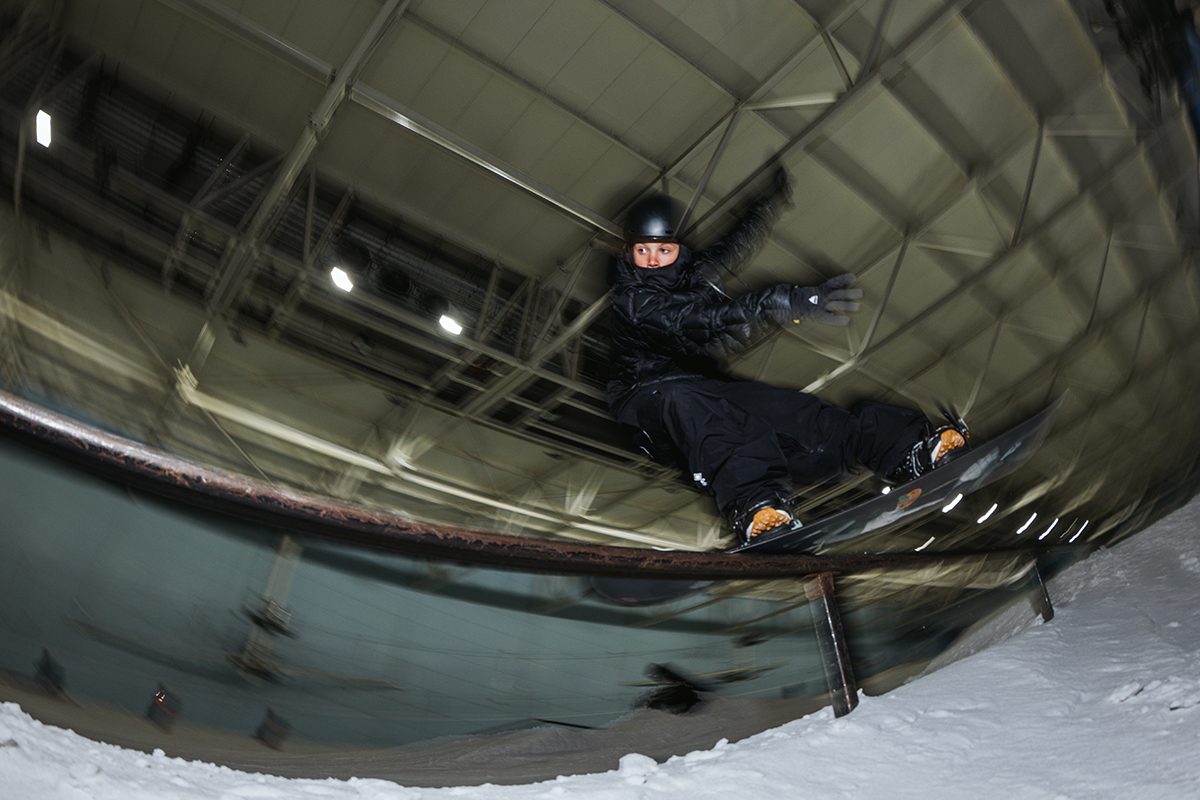
INTERVIEW: STELLA PENTTI PHOTOS: CRAIG ROBINSON UK-born, Avoriaz-raised, and fueled by endless energy:



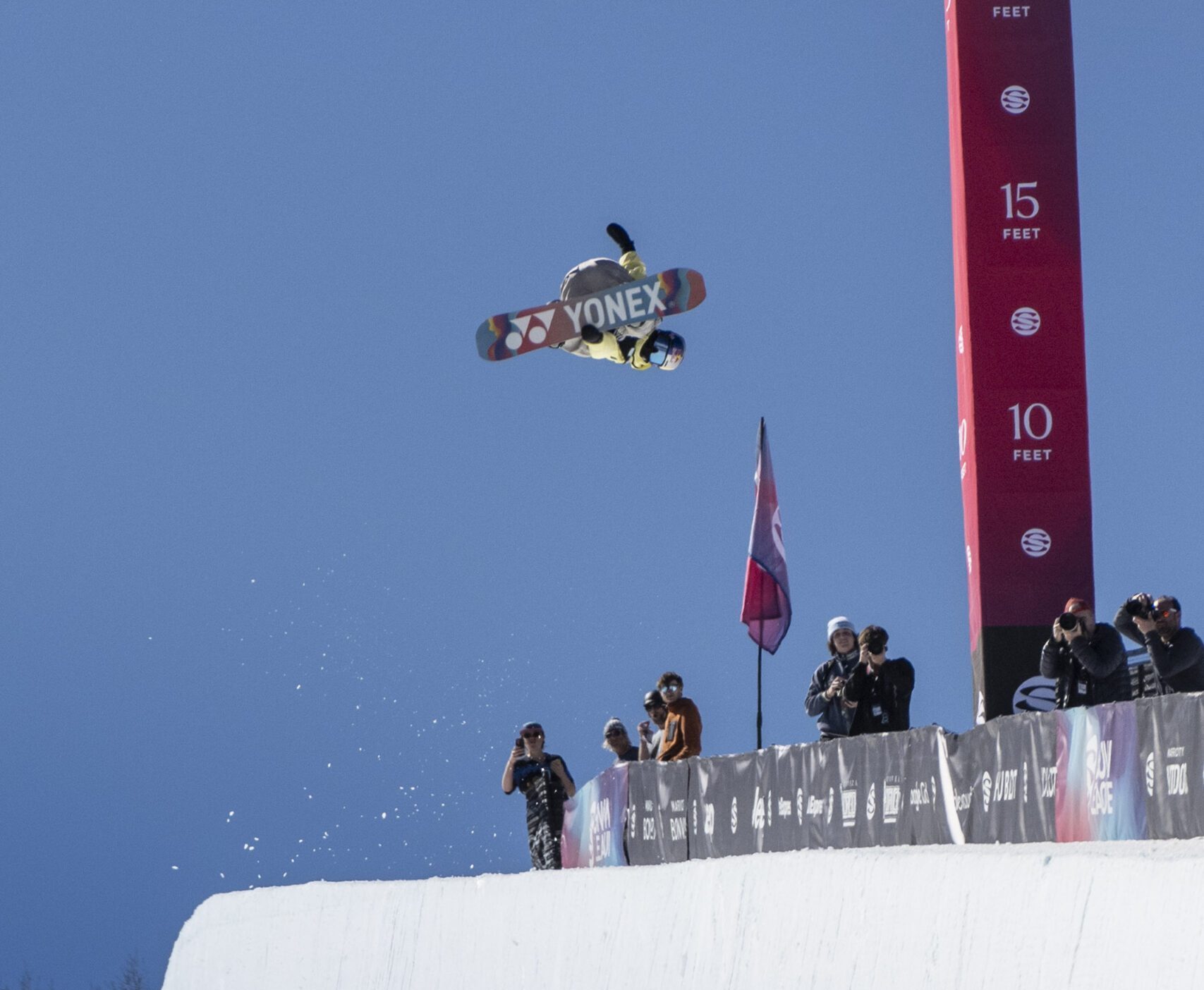
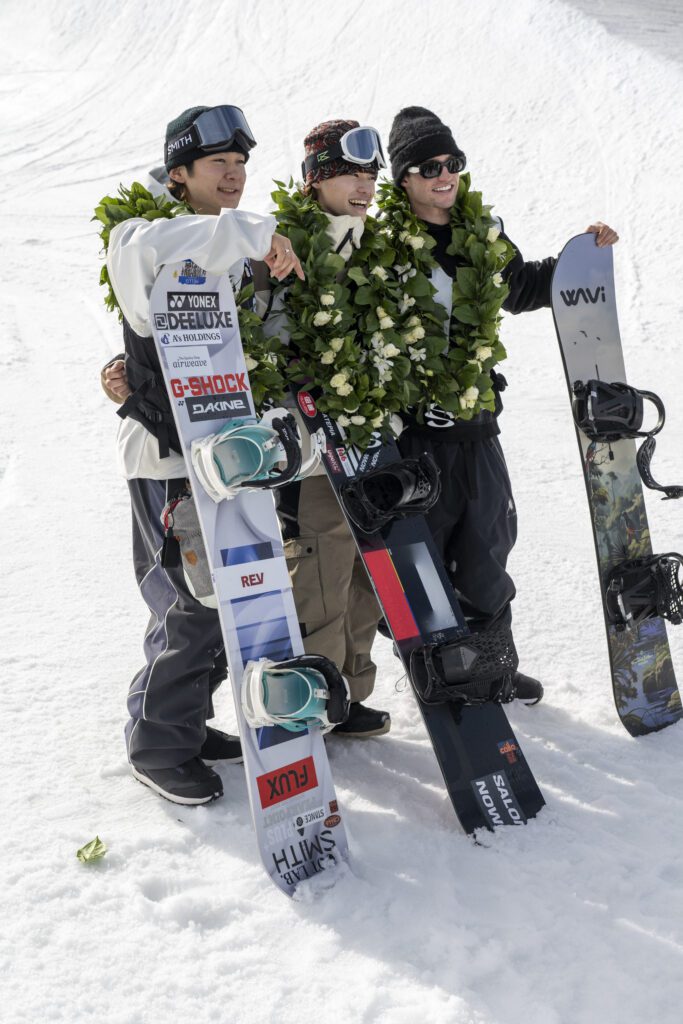
By the time Snow League wrapped in Aspen, the results were clear: Sara Shimizu had won, Ryusei Yamada had taken his first Snow League victory, and the format had delivered drama.
But standing at the bottom of the pipe at Buttermilk, what stayed with me wasn’t just the riding. It was the contrast.
Inside the pipe: commitment, adaptation, progression. Outside it: fur coats, champagne and caviar bumps.
It didn’t feel like the snowboarding events I’ve known for years, even the most luxurious ones. It felt like something else, something polished, curated, intentional. And maybe that’s exactly what Snow League is trying to build.
Photos and words by Alba Pardo
Earlier this season, when I spoke with Shaun White about Snow League, he didn’t talk about nostalgia. He talked about structure:
For a long time, snowboarding competitions have been brand-driven; if a brand decides not to do it one year or their marketing dollars run out, the event disappears. That’s not how traditional sports work.
His goal wasn’t just to create another tour stop. It was to fill what he sees as a structural void: a league with a defined season, consistent funding, equal prize money, and stability beyond fluctuating marketing budgets.
He’s also candid about something snowboarding rarely says out loud:
Snowboarding is a luxury sport.
Lift tickets are expensive. Travel is expensive. Gear is expensive. The barrier to entry has never been low. Rather than deny that reality, Shaun has leaned into partnerships that reflect it.
In Aspen, that philosophy was visible.
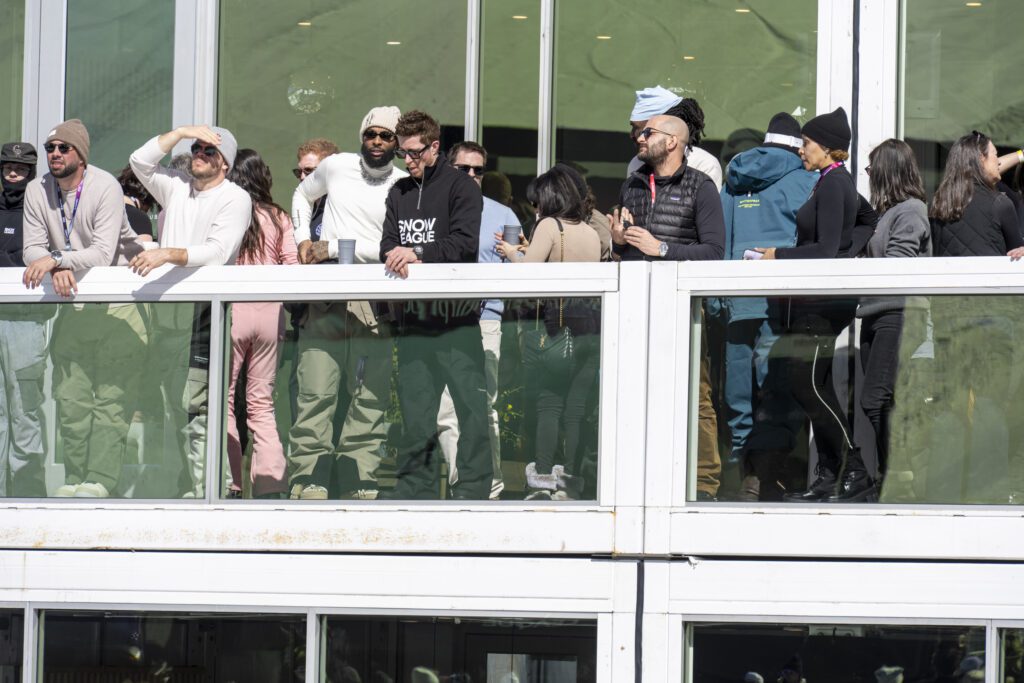
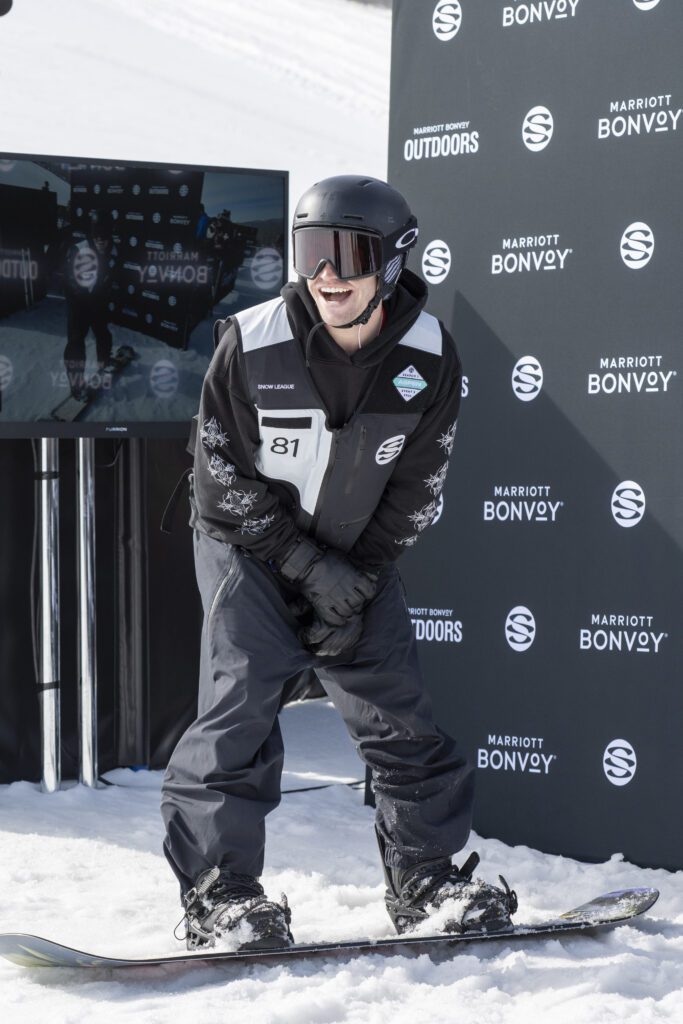
The sponsors skewed non-endemic and high-end. The VIP areas felt closer to Formula 1 hospitality than grassroots pipe contests of the past. The aesthetic was elevated, aspirational, and undeniably expensive.
Which raises a difficult question:
Is this economic stability that benefits athletes and the industry, or a shift that risks excluding the community that built the sport?
It may be too early to answer. But Aspen felt like the first clear display of that tension.
And yet, for all the luxury surrounding the pipe, one of the loudest moments of the weekend came from something undeniably core.
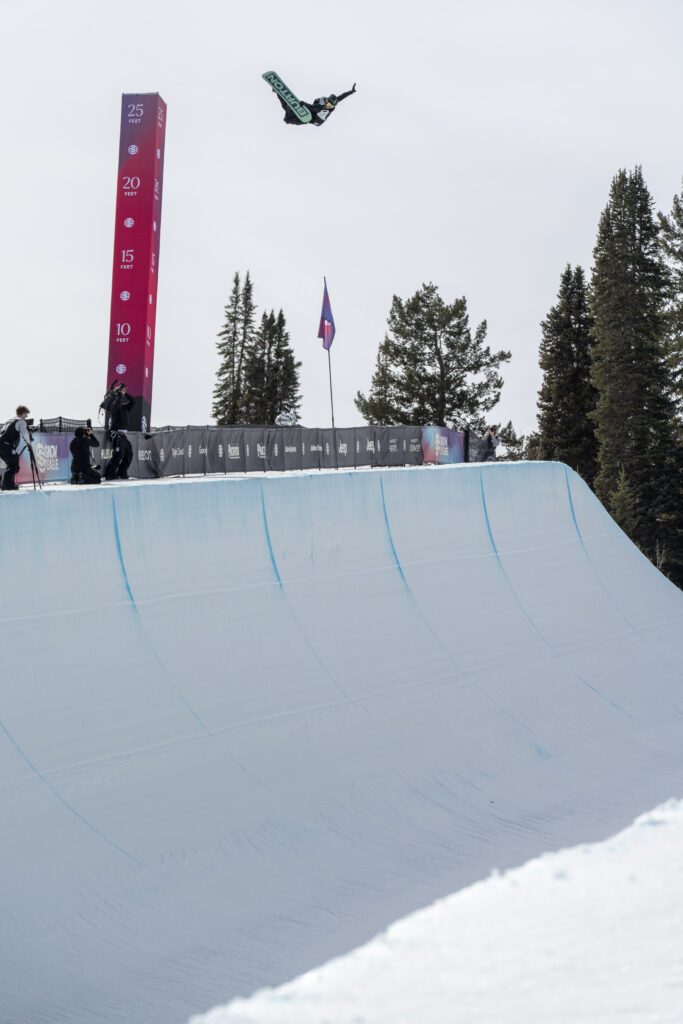
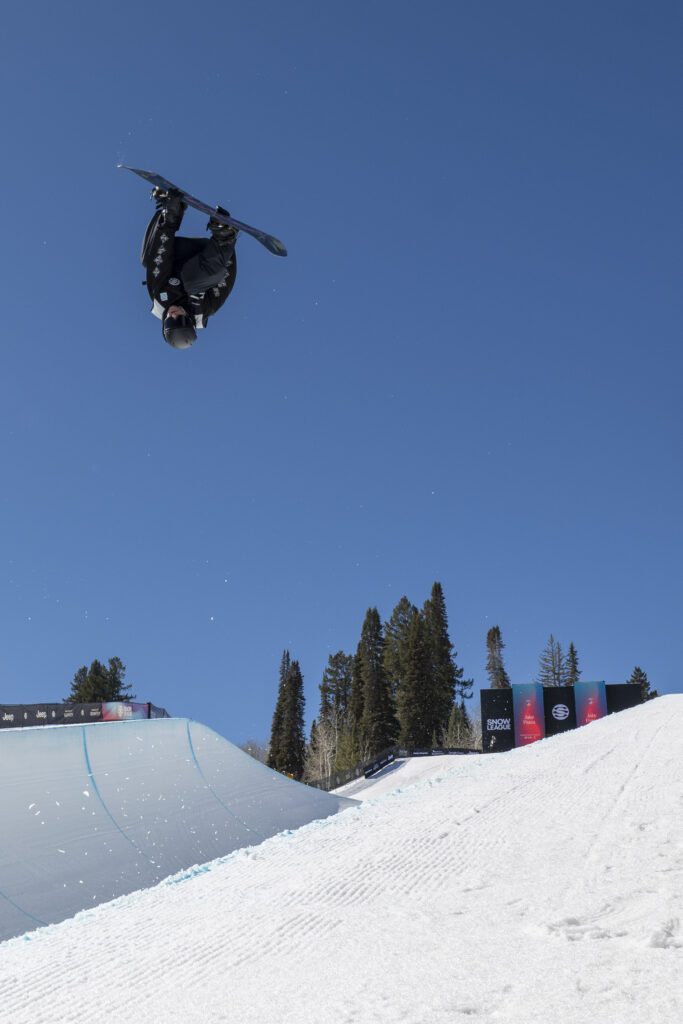
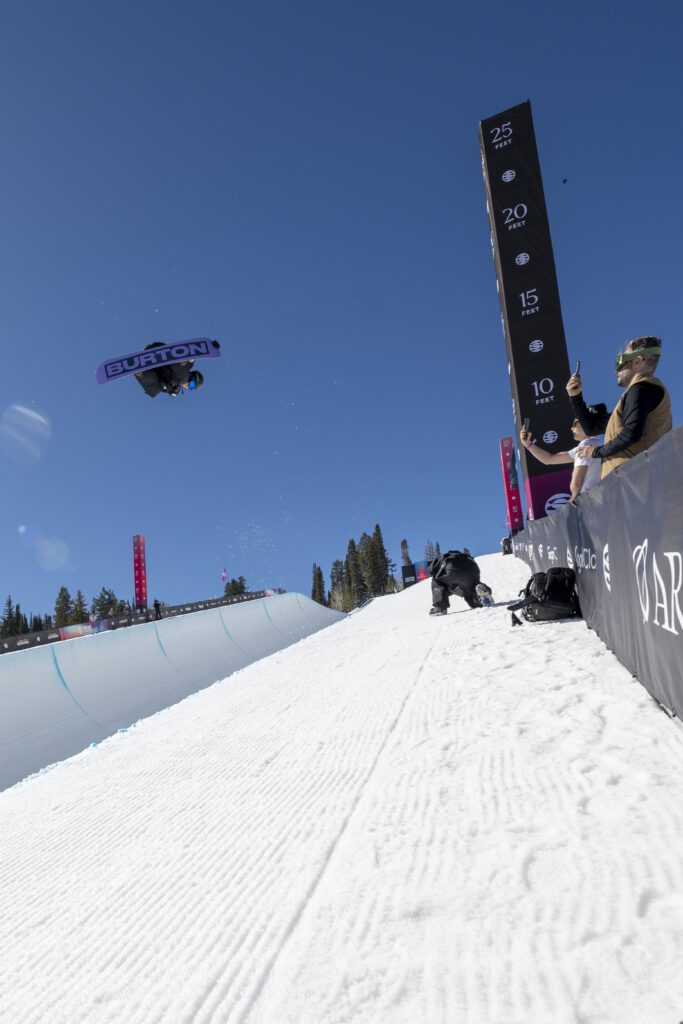
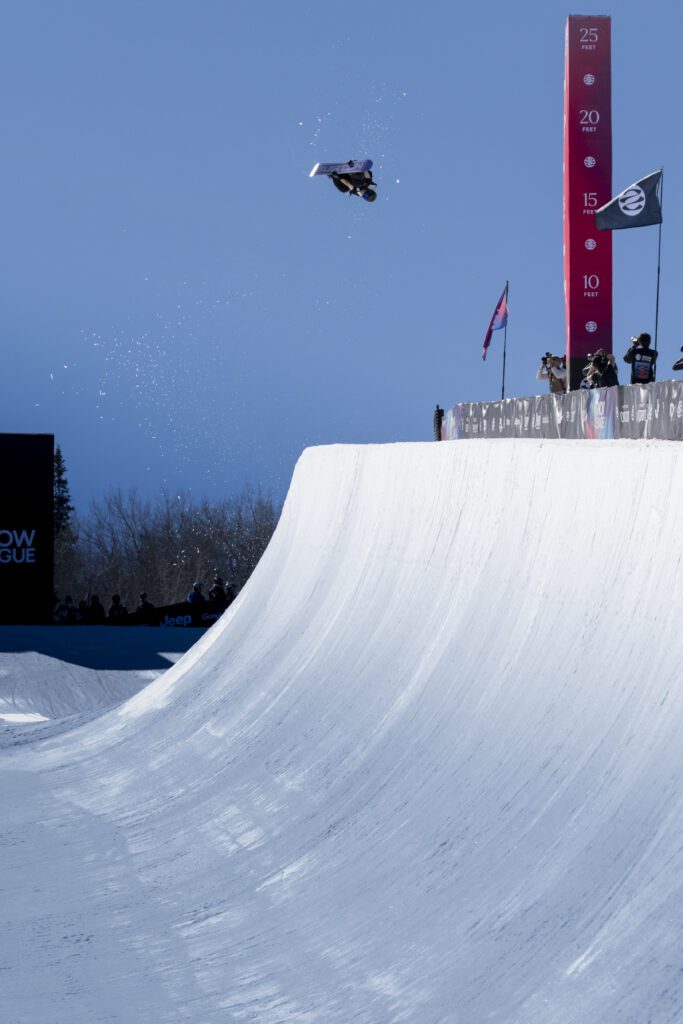
During qualifications, Kaishu Hirano launched a backside method 25 feet, 2 inches above the lip of the 22-foot pipe, a height that, pending Guinness World Record verification, would make it the highest air ever recorded in halfpipe competition.
The crowd reacted instantly and everyone looked up. If Snow League wants to argue that mainstream visibility and outside investment can elevate performance rather than dilute it, that air is Exhibit A.
Because whatever else Aspen was, it also produced one of the most significant airs in halfpipe history.
Whatever doubts exist about optics, there’s no argument about the level of riding.
Every athlete I spoke with agreed on one thing: the format changes how they think and pushes their own limits.
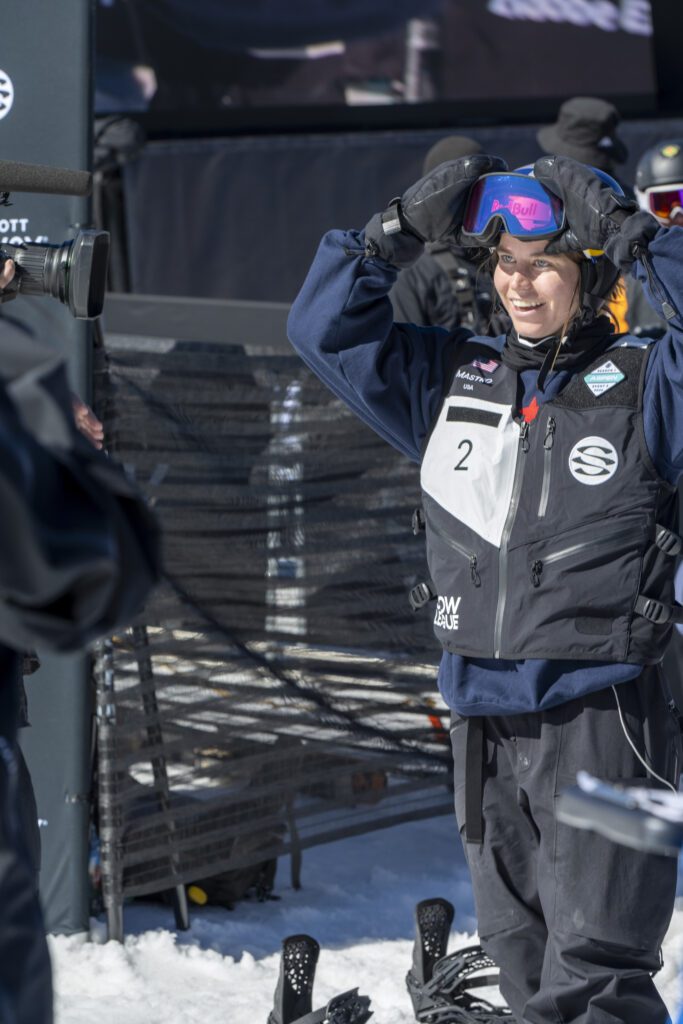
The Snow League structure, best two-of-three head-to-head, mandatory right and left wall runs in the opening rounds, removes repetition as a strategy. You can’t just show up with your “Olympic run” and try it twice. This is how Maddie Mastro describes it:
You can’t just show up with your one run. You have to be able to ride both walls. You have to be strategic.
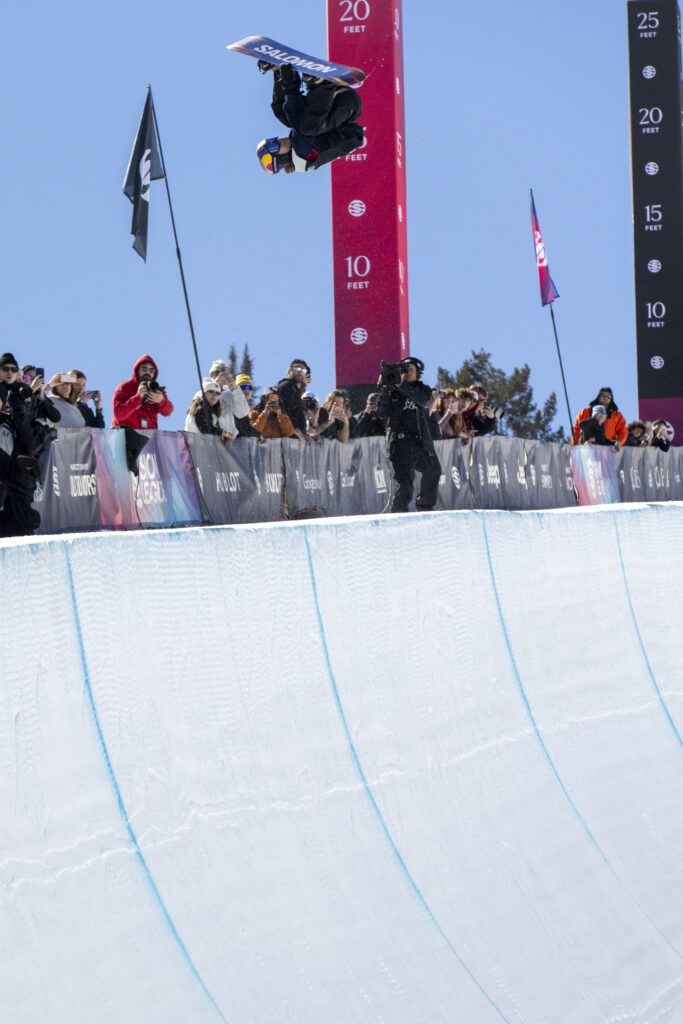
That strategic layer showed up immediately in Aspen.
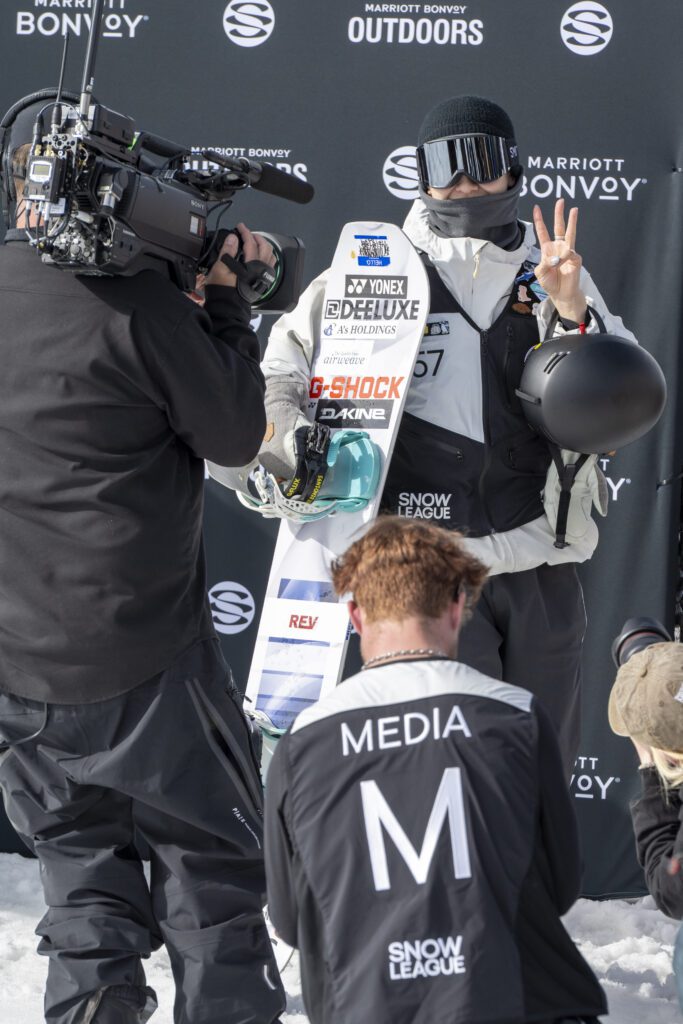
On the women’s side, 16-year-old Sara Shimizu didn’t just win, she controlled every round. She won both runs in each matchup and posted the highest women’s score of the day.
Afterwards, she reflected on what it meant:
“I’ve done this run before,” she said, referencing her Olympic performance earlier in the season. “But this is the first time I landed it like this. It means so much.”
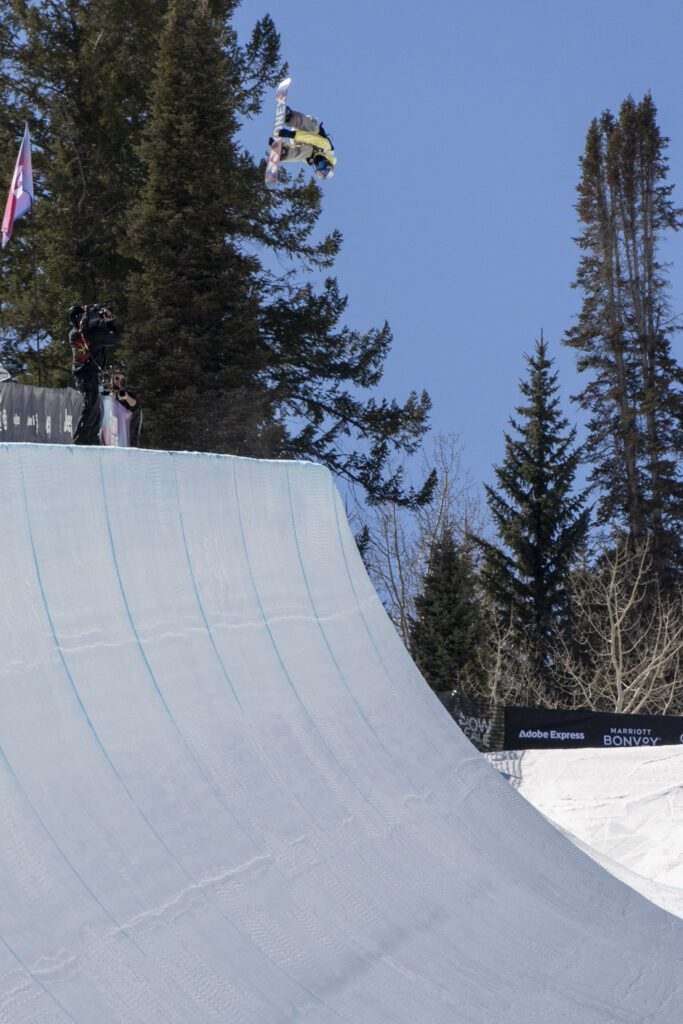
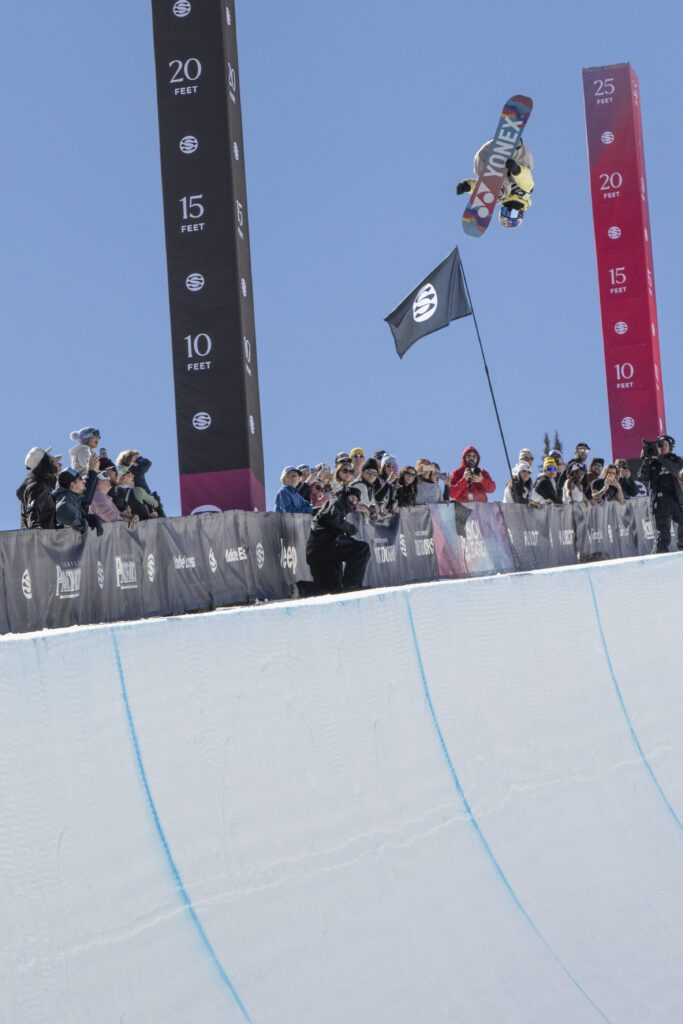
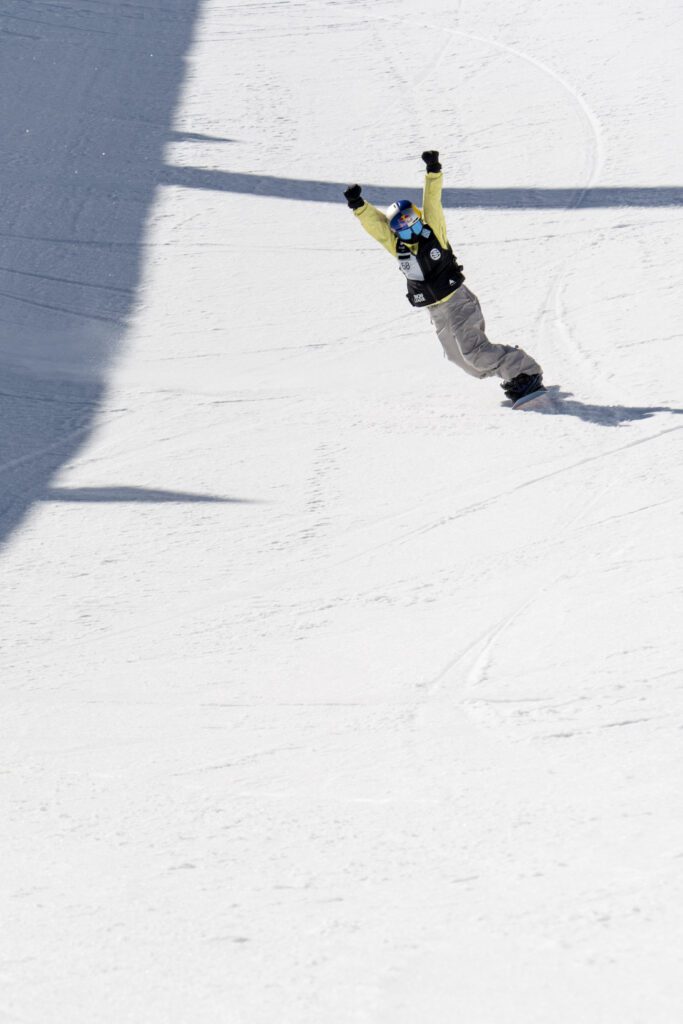
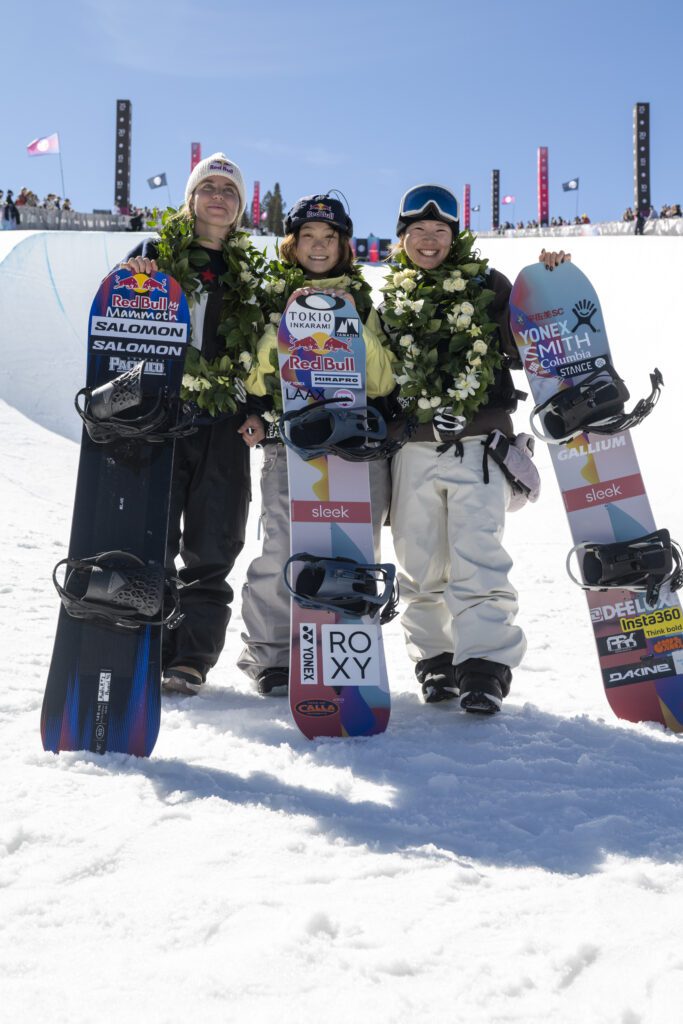
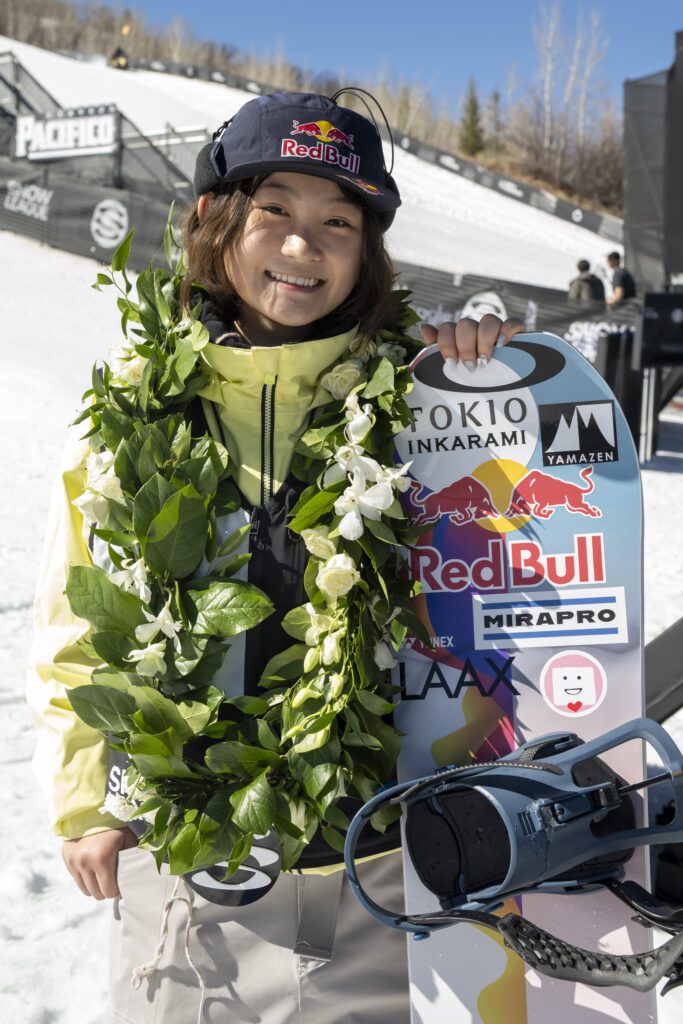
The run was heavy: frontside double cork 1080 and back-to-back 900s, but what stood out most was precision. She wasn’t surviving the format. She was thriving in it.
Across from her, Mastro pushed progression as always, including a double crippler Indy and frontside double cork 1080. The duel felt leveled and exciting, that’s the point of the format: it forces response.
On the men’s side, the most revealing moment of the weekend wasn’t a score. It was laughter.
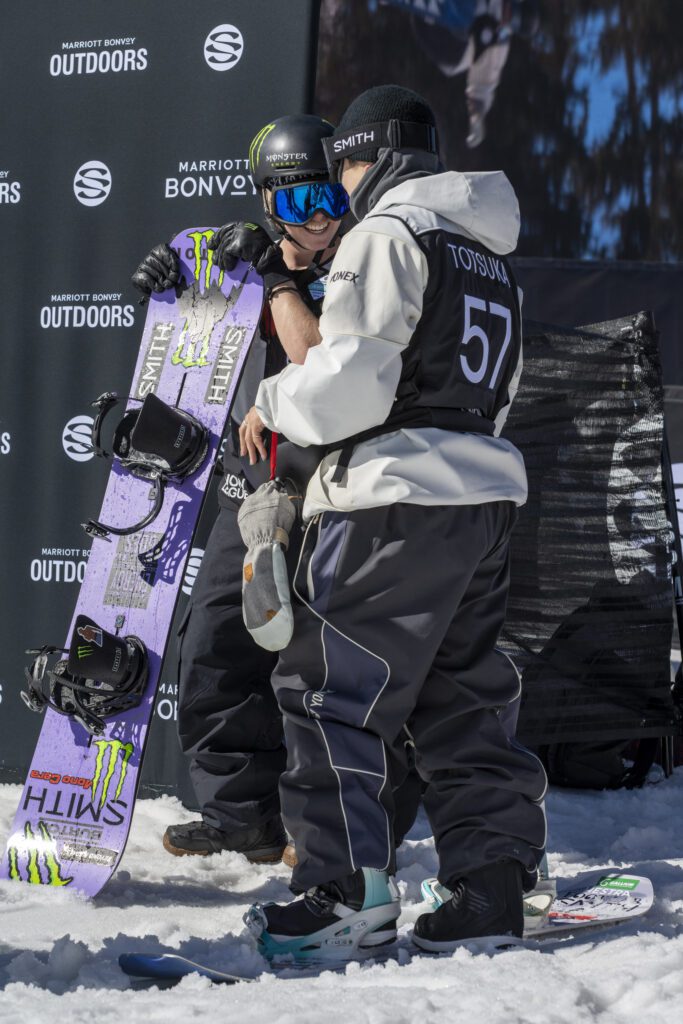
Before finals, Ryusei Yamada and Yuto Totsuka had discussed their now-famous “one-hit” idea at the press conference: if matched up in finals again, both would love to throw the same trick (a switch alley-oop double backside rodeo 900) in a single-hit run.
It’s the kind of playful risk that traditional formats don’t allow. And as they got to face each other in the final, they did it again.
As Ryusei dropped in for the one-hit, I could hear Yuto laughing at the bottom of the pipe. Genuinely enjoying it.
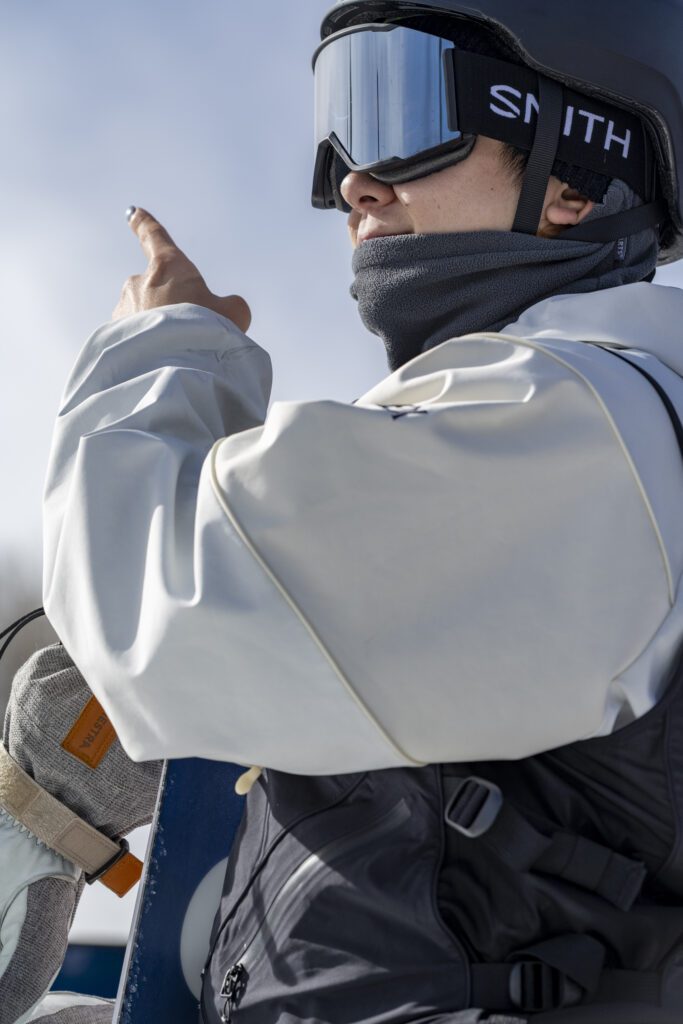
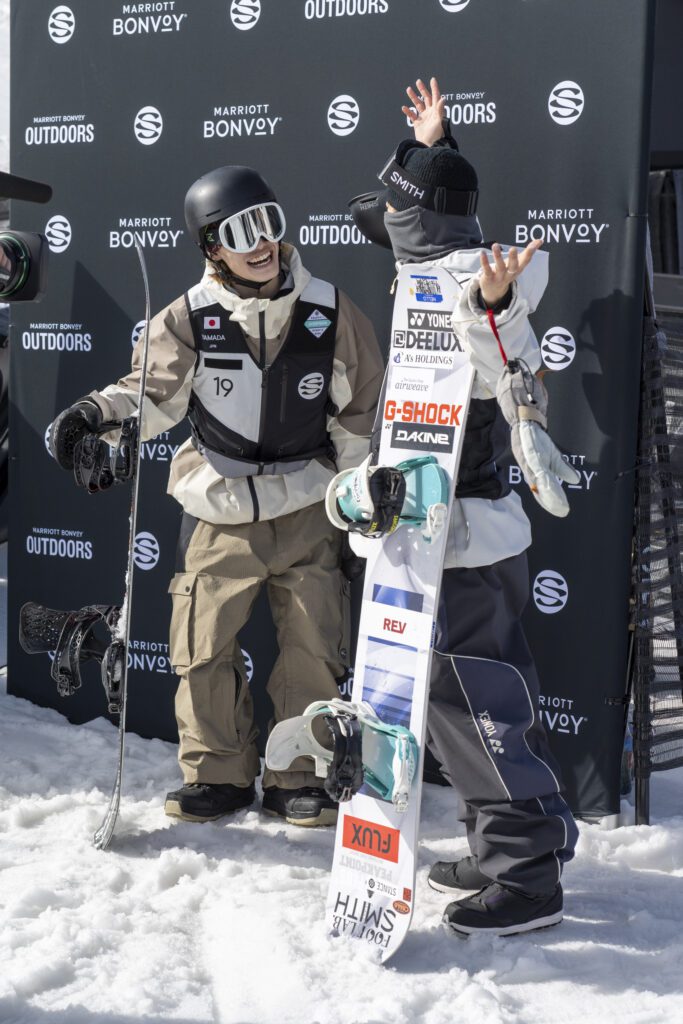
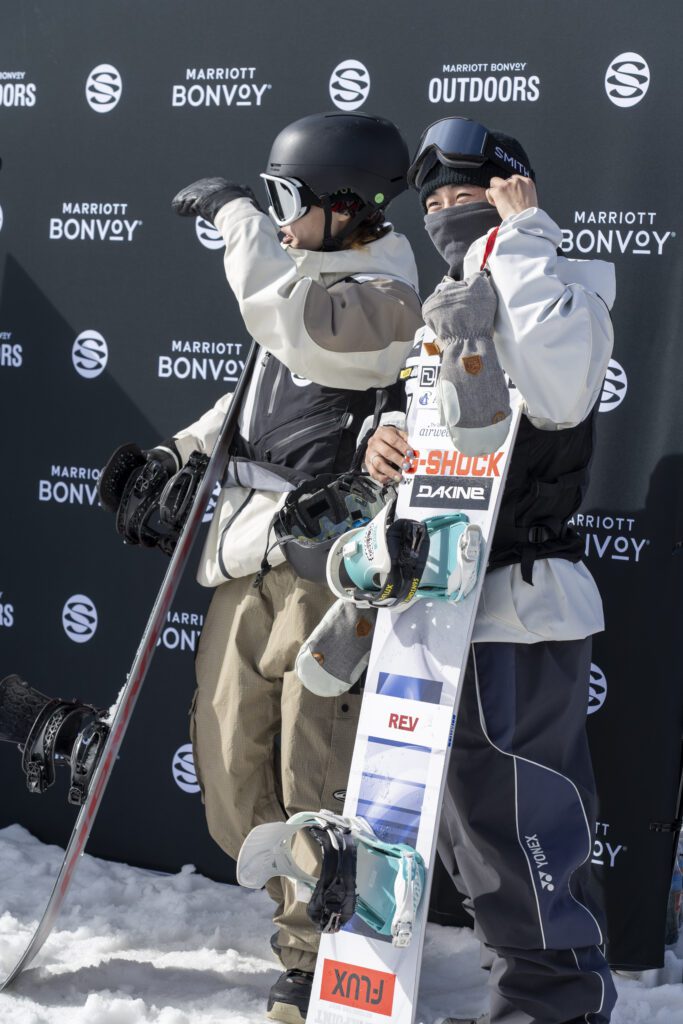
They had grabbed the format and made it their own. The structure didn’t limit them, instead it gave them room to experiment within competition.
After the final, Ryusei described his mindset during the decisive third run:
I saw him [Yuto] fall, but I still wanted to do my run. No matter what.
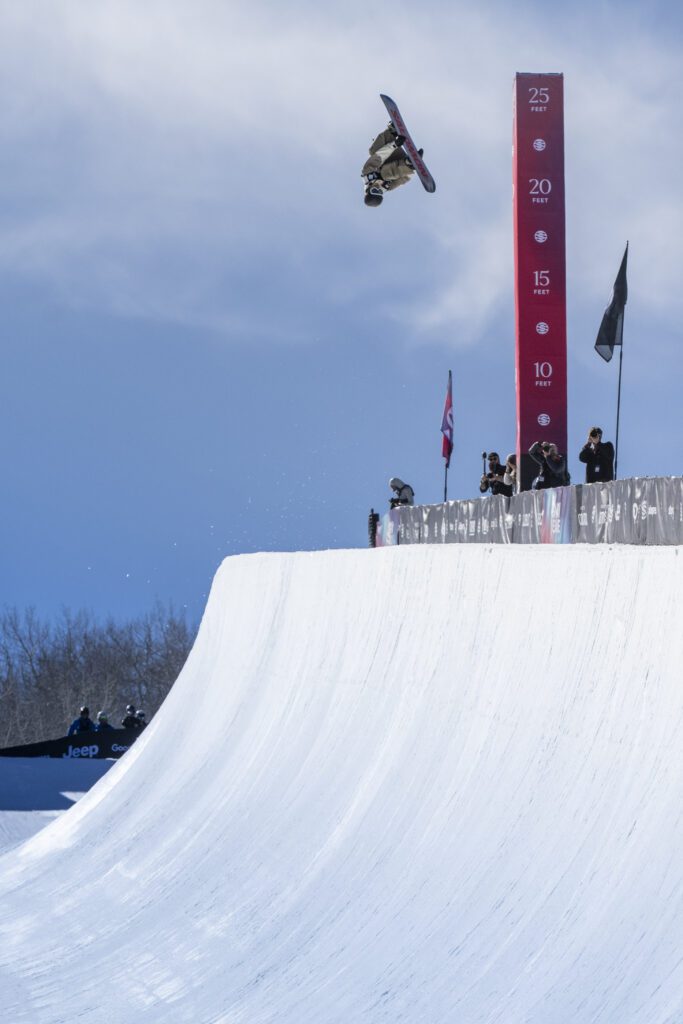
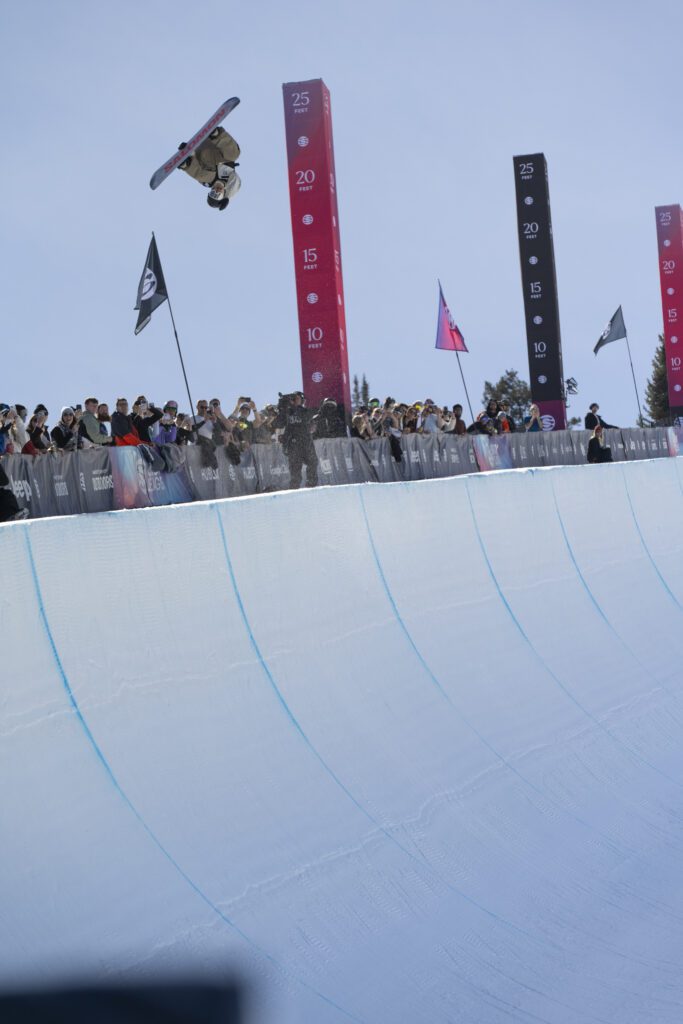
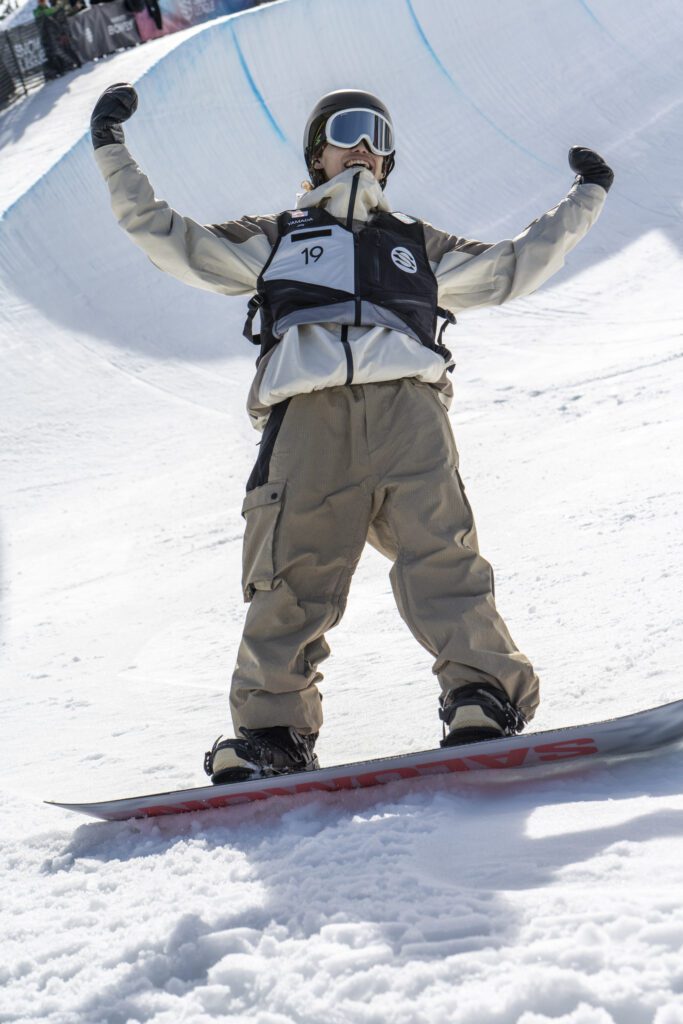
In many contests, an opponent’s fall invites caution. Dial it back. Secure the win. Ryusei didn’t, and he fell too, but did more than Yuto in that final battle and that was enough to take the victory.
That decision felt like the clearest expression of what Snow League is trying to create: not safety, but exposure. Not repetition, but intent. And it has also been clear throughout the creation process.
There’s another layer emerging quietly among riders.
Finals day is demanding: Multiple high-level head-to-heads, adaptation, emotional swings and repeated amplitude at the highest technical level.
By the time the last matchup arrives, riders have already put down a volume of elite tricks that would normally define an entire contest. Ryusei went upside down 66 times during finals day alone, and without counting practice runs.
The level is improving quickly. Riders themselves admit the format has forced them to train differently, think differently, and expand their riding on both walls of the pipe. It’s sharpening their adaptability.
I heard Jake Pates jokingly say “I should have worked more on my cardio.”
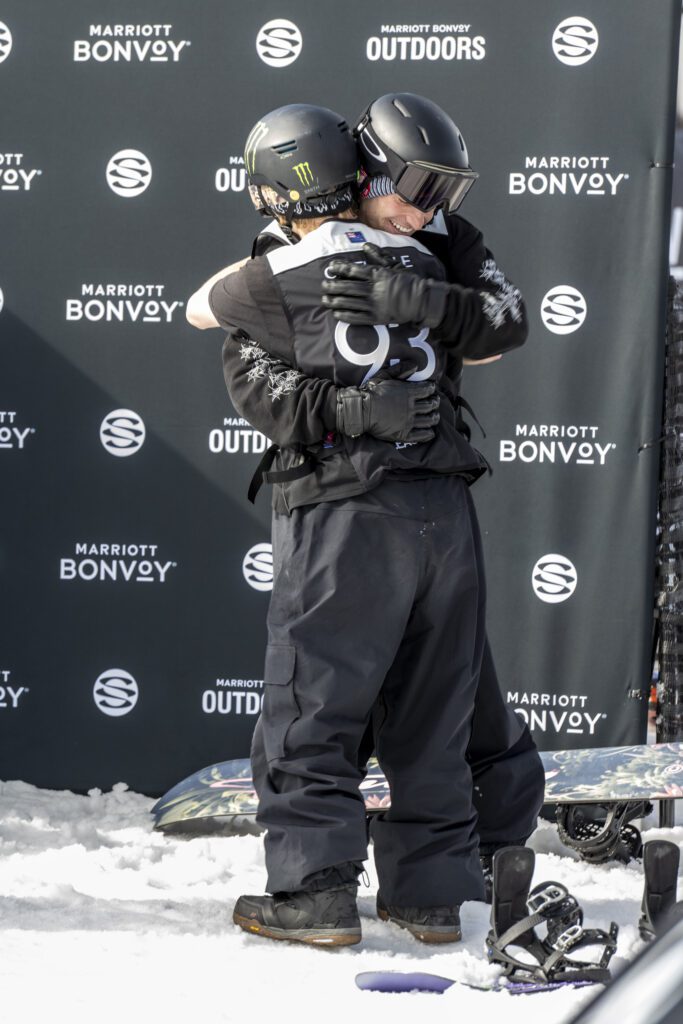
But “athlete-driven” is one of the League’s core claims, so I wanted to understand what that meant in practice. Maddy Schaffrick didn’t hesitate with her answers. She emphasized that the athletes aren’t just participants, but they’re part of the development process.
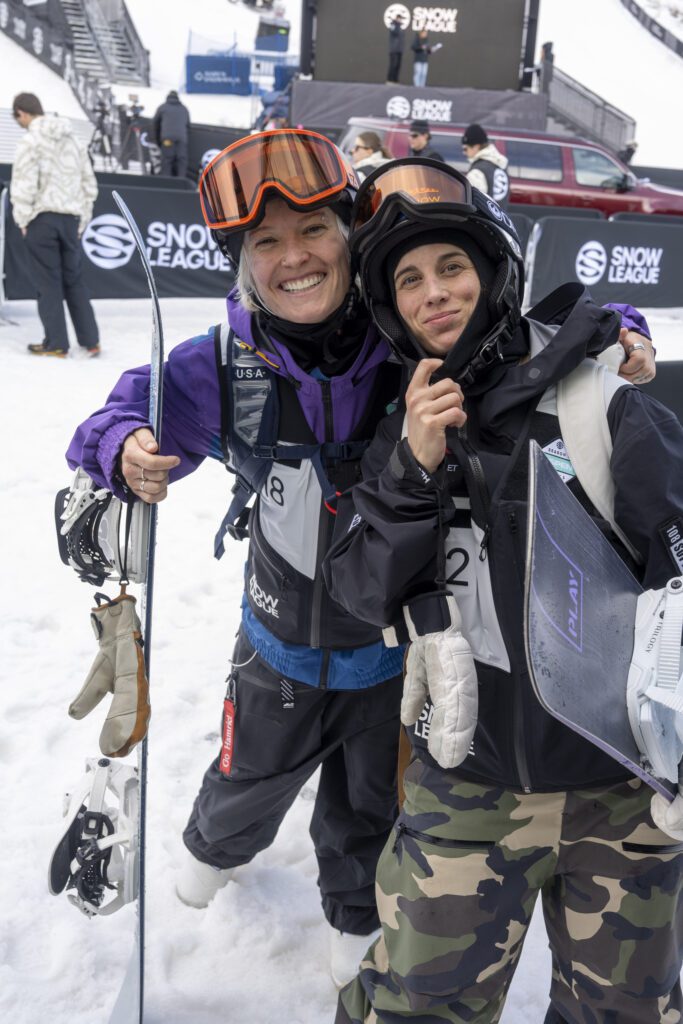
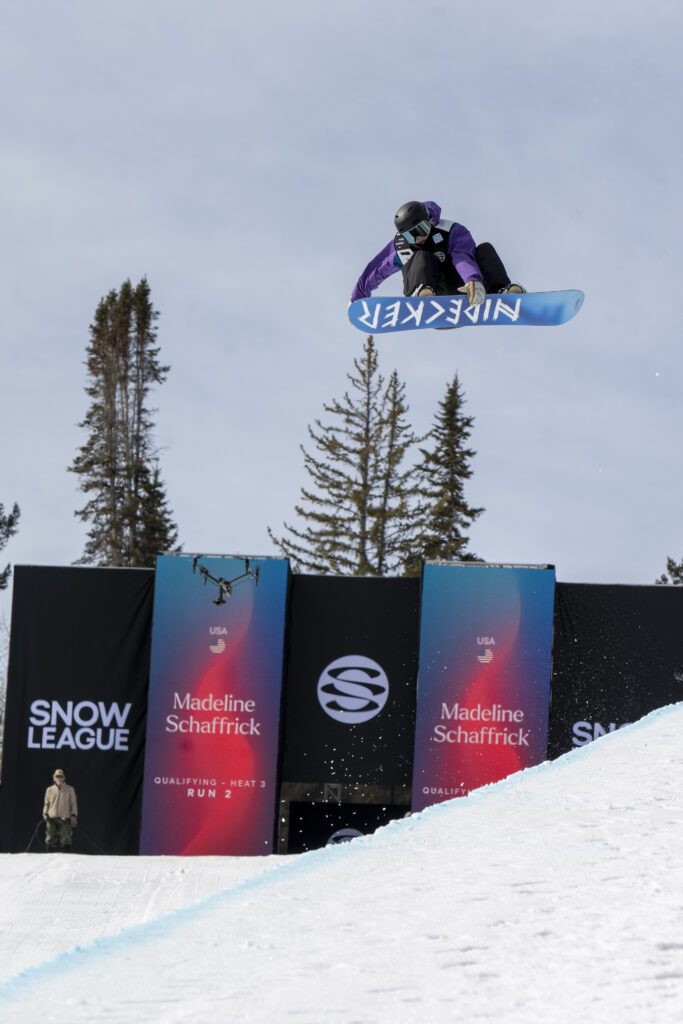
They’ve been asking us the whole time what we want, what we need, what would make it better.
She explained that the format and event experience haven’t been imposed from the top down, but shaped through ongoing dialogue.
It’s been really collaborative.
That context matters. Because while the format is intense, the riders aren’t being pushed without input. The league is actively checking in, adjusting, and refining with athlete feedback.
It doesn’t eliminate the physical toll of multiple high-amplitude runs, but it reframes the structure as something evolving.
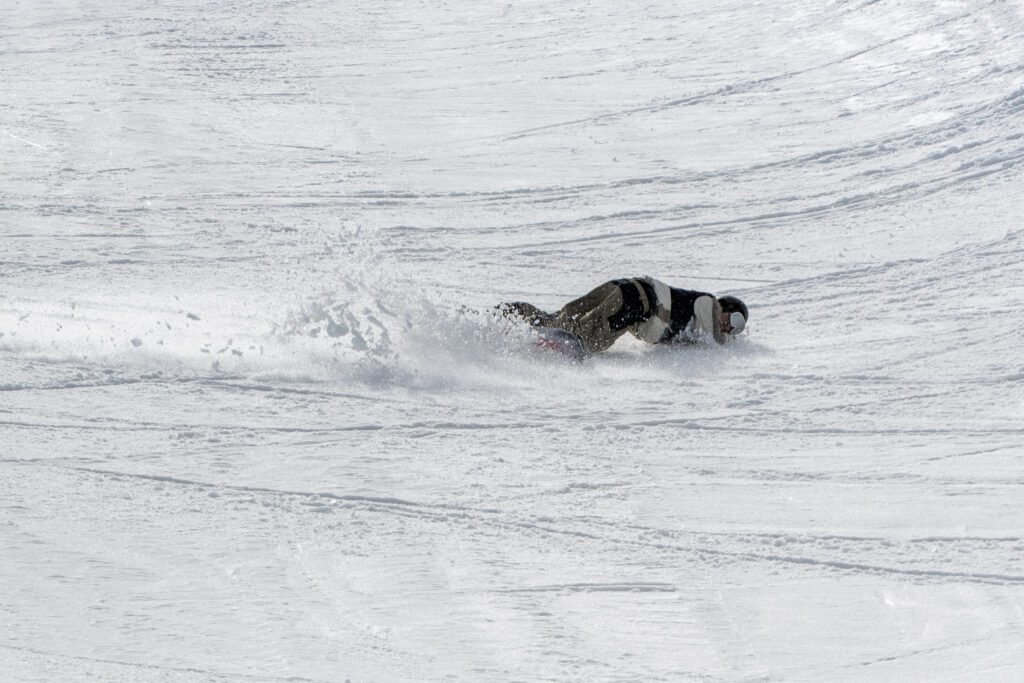
So one may wonder as Snow League continues refining its product, adjustments to the final rounds wouldn’t be surprising. Not because it doesn’t work, but because the intensity is so high that fatigue becomes part of the story.
And fatigue may affect performance.
Watching Aspen unfold from the base of the pipe, the tension felt real.
The economic stability Snow League promises is tangible. Equal prize purses. Appearance fees. A defined season. Non-endemic investment that insulates the sport from volatile marketing cycles.
For athletes, that’s meaningful. But the visible face of the event: the fashion, the hospitality, the curated exclusivity, didn’t resemble the community core that historically defined competitive snowboarding.
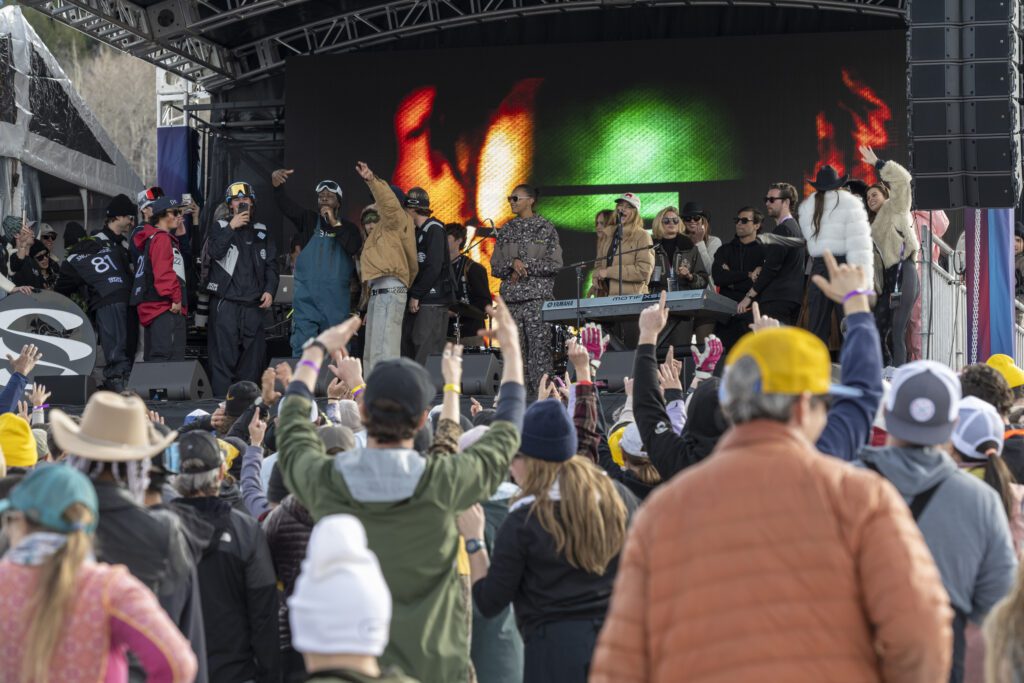
Maybe that’s evolution and what mainstream truly means. Maybe it’s a necessary phase of professionalization. Or maybe it’s the beginning of a divide that the sport will have to navigate carefully.
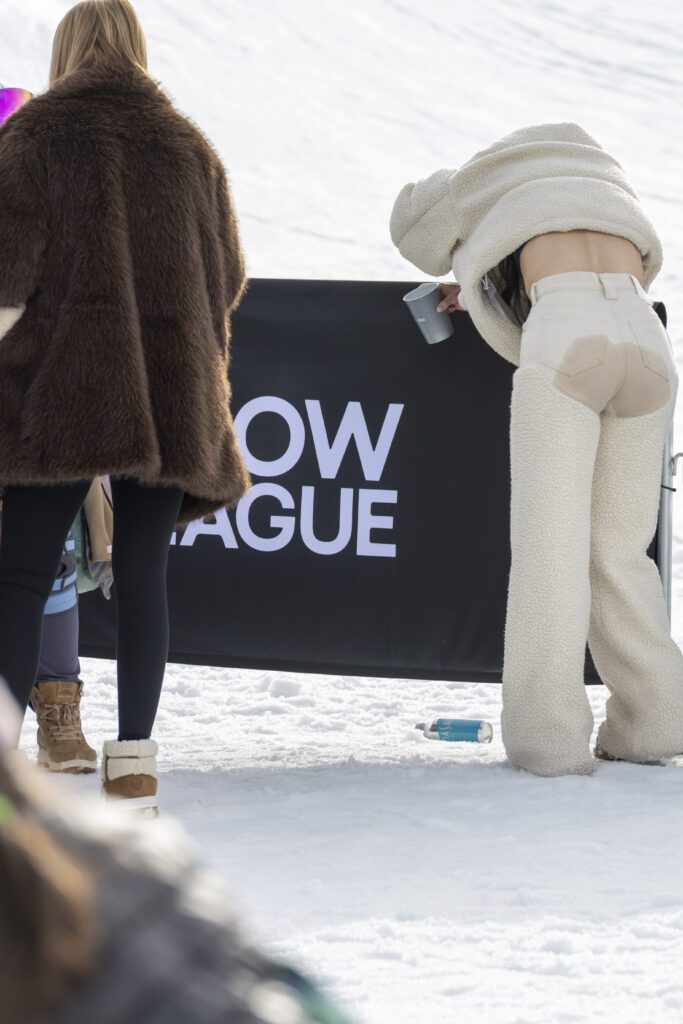
Because if luxury becomes the dominant visual narrative, the question isn’t whether snowboarding can survive it, it’s whether the culture sees itself reflected in it.
And yet, we must admit that inside the pipe the soul remains intact. The riding is better, more creative, and more adaptable. The riders are energized by the format.
When Yuto laughed at the bottom as Ryusei beat him at their own game, that felt like snowboarding.
With their third event, and second one in Aspen, it’s clear that Snow League is not trying to recreate the past. Instead, it’s trying to build something structured, sustainable, and visible beyond core industry boundaries, and Aspen was the clearest glimpse yet of what that might look like.
Snow League now moves toward its season finale in LAAX. That matters because this league isn’t just selling single events. It’s selling a season narrative.
Ryusei’s win tightens the standings. Sara’s dominance signals a generational shift in the women’s field. Yuto remains one of the most consistent riders in the bracket. The progression curve is steepening in real time. But beyond podiums, LAAX becomes a referendum.
Can Snow League deliver a climax that feels earned? Can the intensity of the format hold through a full season without physical burnout? Can the league balance luxury optics with authentic community connection?
China and Aspen proved the riding is there. They proved the format creates drama. They proved that outside investment can coexist with elite progression.
What remains to be seen is whether Snow League can scale without losing the culture that gives it credibility. And if Aspen was a spectacle, LAAX will be a statement.
For a sport that has long lived between underground identity and Olympic visibility, that next chapter might matter more than any single result.
INTERVIEW: STELLA PENTTI PHOTOS: CRAIG ROBINSON UK-born, Avoriaz-raised, and fueled by endless energy:
New Role, Still Snowboarding Words: Darrah Reid-Mclean Darrah Reid-McLean reflects on shifting
Freshly Crowned Corbet’s Queen Ellie Weiler on Colorado Roots, Comps and Comebacks.