






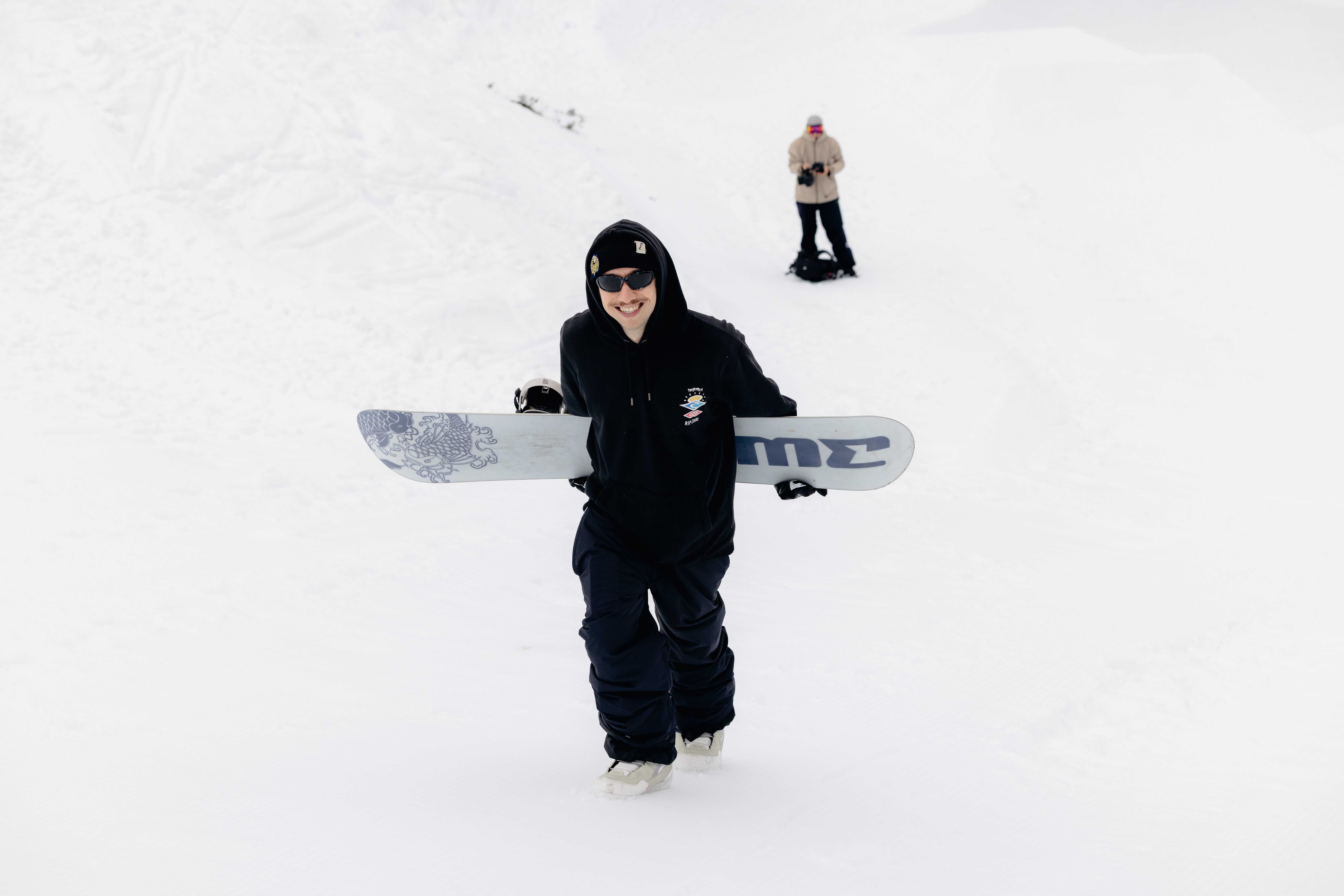
Local Heroes: Max Glatzl
A new series celebrating the people behind the scenes who keep snowboard



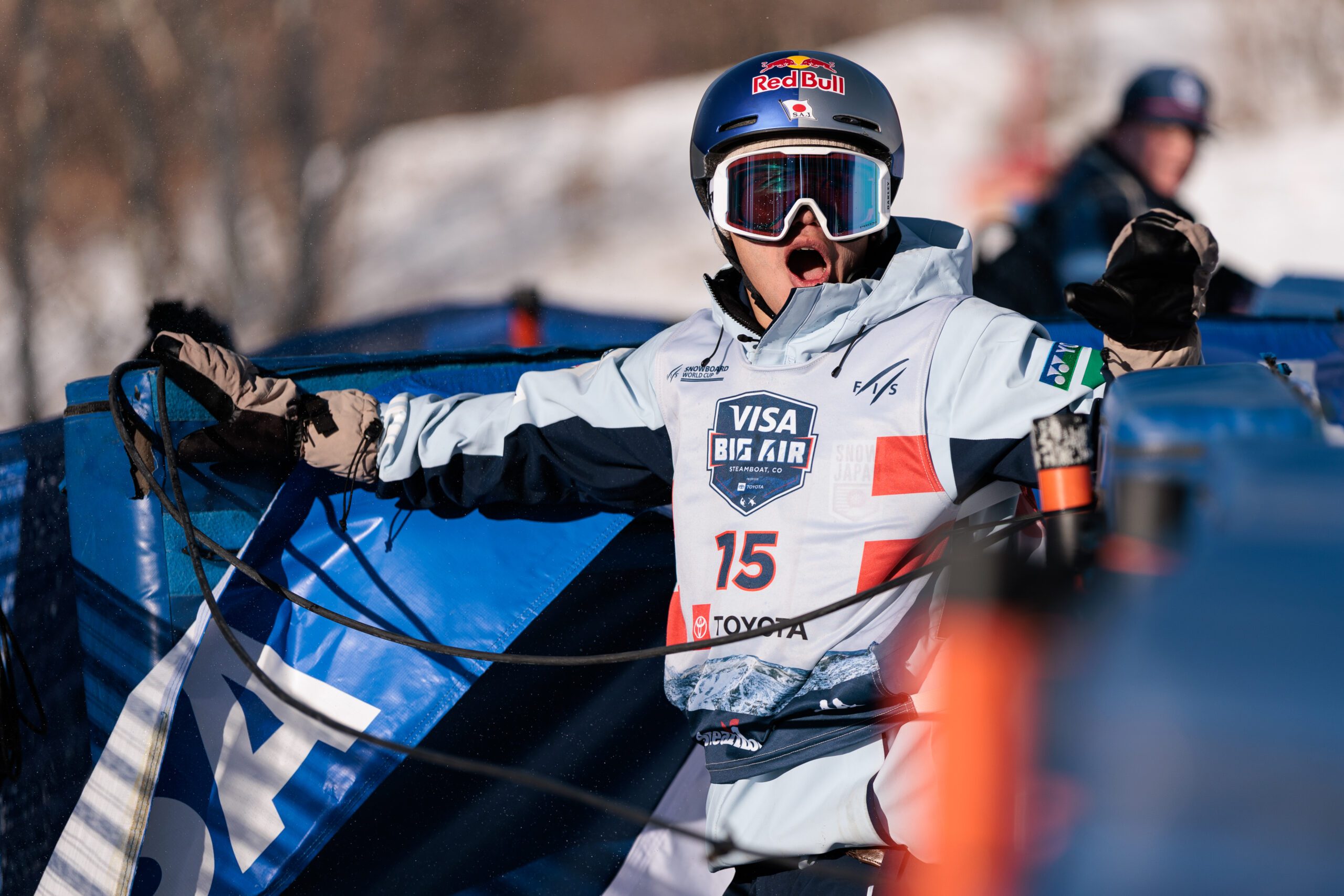
With the Olympic qualification window fully open, this winter is less about isolated wins and more about trajectory. Early competitions have already revealed which riders are sharp, which are rebuilding, and which are positioning themselves for conversations that will only intensify as the season progresses.
These are the riders to follow, not just because they’re winning, but because where they are right now matters.
Entering what is widely expected to be her final Olympic cycle, Gasser remains one of the most complete competitors in women’s Big Air. Early-season form confirms that her mix of amplitude, execution, and competitive intelligence continues to score in a field that has grown younger and more technical. Experience hasn’t dulled her edge, it’s refined it. She remains a genuine Olympic medal contender.
Fresh off redefining the ceiling of women’s Big Air, Murase has shown that her biggest tricks aren’t just headline moments — they’re repeatable. Early performances underline her growing ability to pair difficulty with clean execution. If she lands, she wins. Few riders carry that kind of weight in Big Air right now.

Zoi continues to be the benchmark for composure. Whether in slopestyle or big mountain environments, her ability to deliver complete runs under pressure keeps her firmly in the Olympic conversation. In seasons where mistakes are costly, consistency becomes a superpower.

Onitsuka’s early-season results, capped by a Big Air Crystal Globe, mark one of the strongest statements of the winter so far. She may not dominate headlines, but her efficiency and repeatability make her strategically dangerous. Olympic seasons reward riders who don’t miss finals, and she rarely does.

Brookes has been selective with early starts, but her trajectory suggests a rider building toward a peak rather than chasing early wins. Her fearless approach and creative trick selection keep her among the most exciting prospects of the cycle. When she hits, she reshuffles podium expectations.

Anderson’s return to competition brings one of the most compelling storylines of the season. The field has evolved, and early contests are as much about adaptation as results, but her understanding of run construction and pressure management remains evident.

Approaching a potential sixth Olympic Games, Castellet continues to prove that smart line choice and execution can still compete in a rapidly progressing halfpipe field. She knows how to survive, and thrive, in high-stakes seasons.

Still only 18, Fukada has already demonstrated rare axis control and competitive maturity. Early-season performances confirm she’s not just a future threat, she’s a current one.Few young riders convert difficulty into scores as consistently.

Coady’s ability to perform across formats gives her an edge in a season where adaptability matters. As judging continues to value balance and variety, her well-rounded approach fits the moment. Riders who can adjust tend to last the longest in Olympic cycles.

While not yet dominant in early competitions, Kim’s presence alone reshapes halfpipe expectations. When healthy and confident, her ceiling remains unmatched.

Early-season performances confirm that Hirano remains the reference point in men’s halfpipe. His runs prioritize amplitude, flow, and execution, a combination that continues to separate him under pressure.

James continues to be the most dependable competitor in men’s pipe. While others fluctuate, his ability to deliver clean, readable runs keeps him permanently in medal conversations. Olympic finals reward riders who don’t unravel.

Coming back from injury, Guseli is once again competing across Big Air, Slopestyle, and Halfpipe, something very few riders can do credibly. Early starts are about rebuilding sharpness rather than results.

Returning giant: Olympic pedigree and ever-present threat Su remains one of the sport’s most decorated and consistent names. Ahead of 2025 – 26, media-driven start-list previews call him one of the “heavyweights and rising stars.” And his unfinished business will no doubt give him an extra boost.

After winning both Big Air and overall Park & Pipe titles last season, Hasegawa has continued to deliver steady results. He may not always steal attention, but he’s rarely out of contention.

Ogiwara’s breakthrough win early in the season re-established him as one of the most technically ambitious riders on tour. When he lands, scores follow.

One of the world’s most consistent halfpipe specialists. A multiple World Cup Crystal Globe winner and World Championship medalist, Ruka’s mastery of amplitude and execution keeps him consistently in podium contention.

As judging criteria around axis and direction become clearer, Bouchard’s unconventional trick selection is starting to translate into results.

Totsuka’s early-season appearances have reminded everyone of his raw potential. If health holds, he remains one of the biggest threats in pipe. Few riders generate his kind of height and impact.

Quietly building consistency, Melville Ives combines amplitude with clean execution — a pairing that suits the current judging climate. These are the riders who surprise people in Olympic years.

A new series celebrating the people behind the scenes who keep snowboard
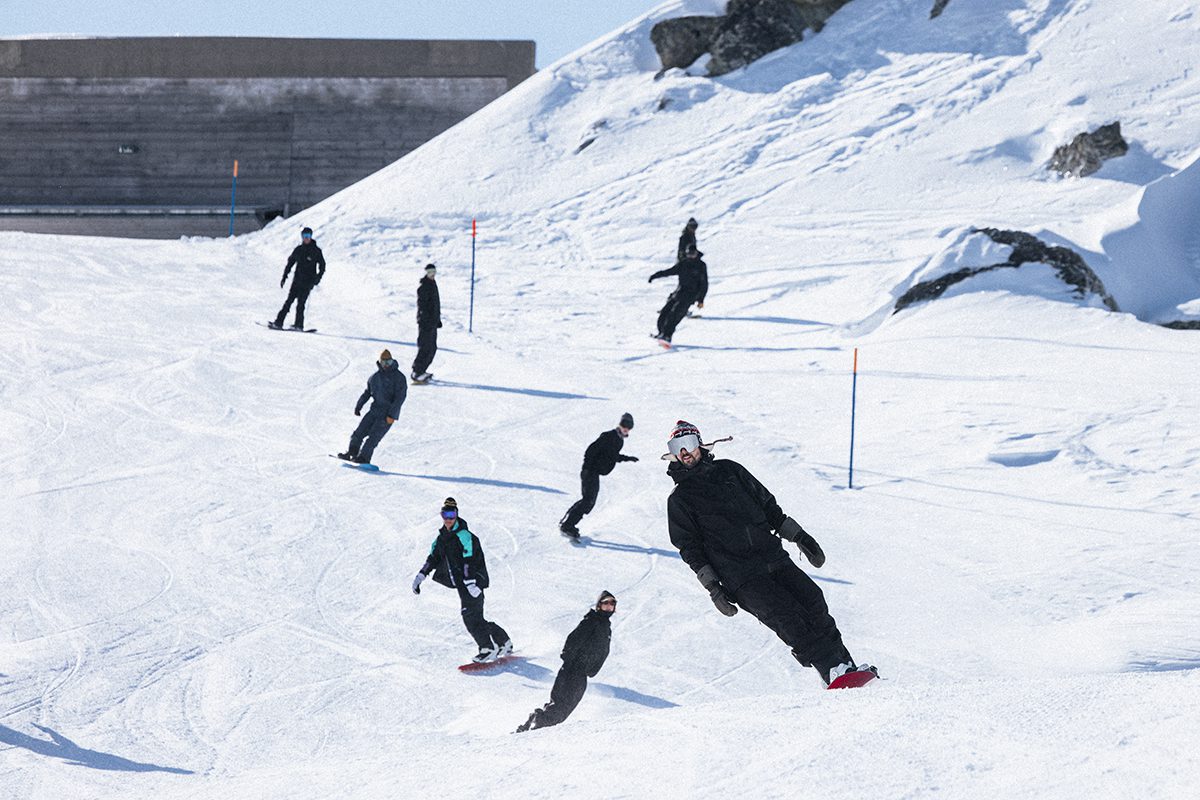
Tidal is a biennial, on-mountain artist residency and exhibition in LAAX, Switzerland,
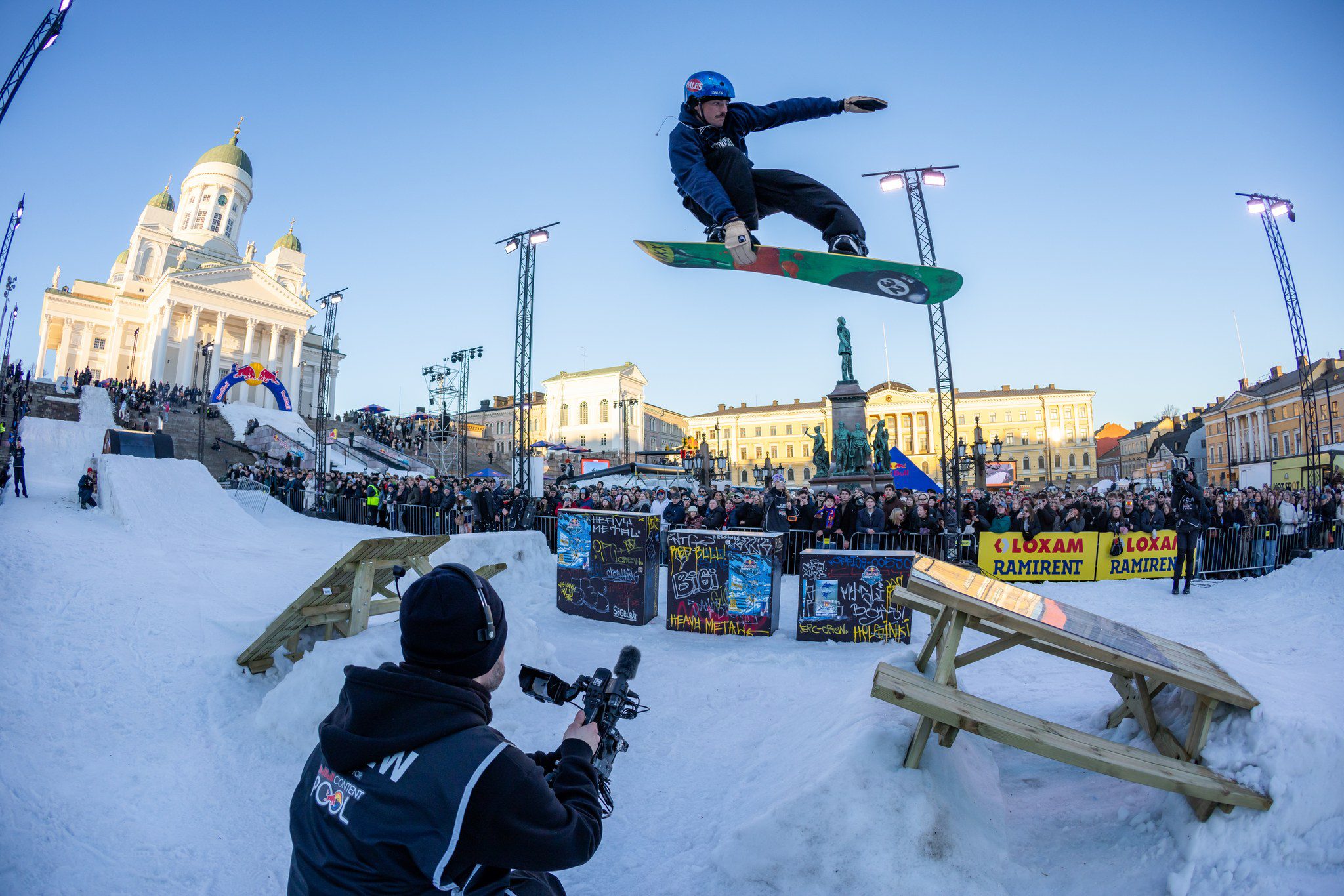
One of snowboarding’s most iconic rail jams filled a void the Finnish