





Rising Up: Ellie Weiler
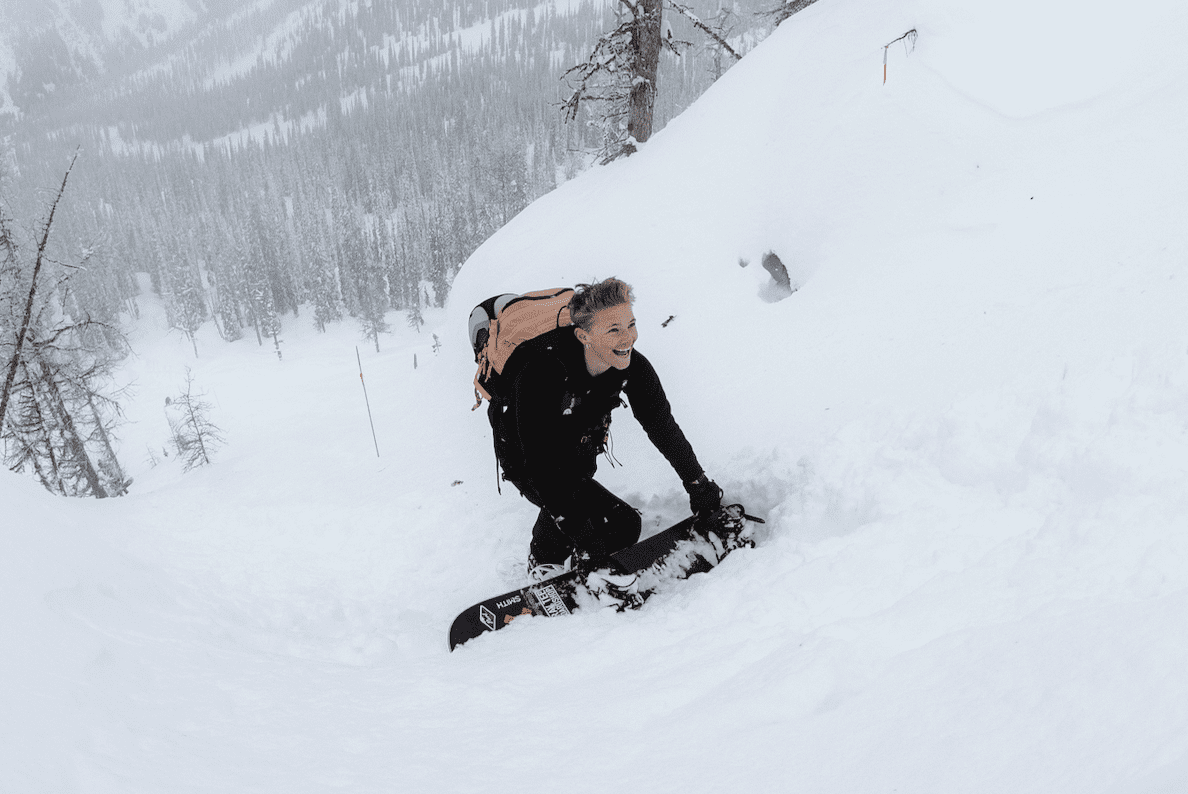
Freshly Crowned Corbet’s Queen Ellie Weiler on Colorado Roots, Comps and Comebacks.


INTERVIEW: ALBA PARDO | PHOTOS: JÉRÔME TANON
A trip meant for filming and sharing excitement took an unexpected turn, drawing French pro snowboarder Victor Daviet into a real-world test of community. From that moment came Snowboarders of Solidarity, a rider-led nonprofit based on a simple idea: when snowboarders look out for each other, mountains move. In this conversation, Victor explains how a chance encounter became a mission, what “solidarity” means when the cameras are off, and where the project is headed next.
Let’s start at the beginning. What set you on the path toward creating Snowboarders of Solidarity?
I’ve been a pro snowboarder for 15 years. I competed in freestyle first, then shifted to freeriding. In 2021, I traveled to Pakistan with the nonprofit Zom Connection. They collect gear in the Alps and deliver it to Pakistan, where mountain guides and instructors distribute it. I went with Julien “Pica” Herry from Chamonix. We taught little girls to snowboard for the first time and ran a Safety Shred Days avalanche event. One of our stops lined up with Pakistan’s international snowboard competitions – parallel slalom and slalom – with Pakistanis, one Belgian, and the Afghan snowboard team. We stayed at the same hotel, rode together all week, and connected immediately. They were training on sand during the summer, without resorts, just roadside passes – but they were so curious and motivated. At the end of the week, we had a chat. They had never met a pro snowboarder before and were eager to learn, so I answered their questions, shared pointers, and told them I wanted to visit Afghanistan to document their story for my series Trip Roulette.
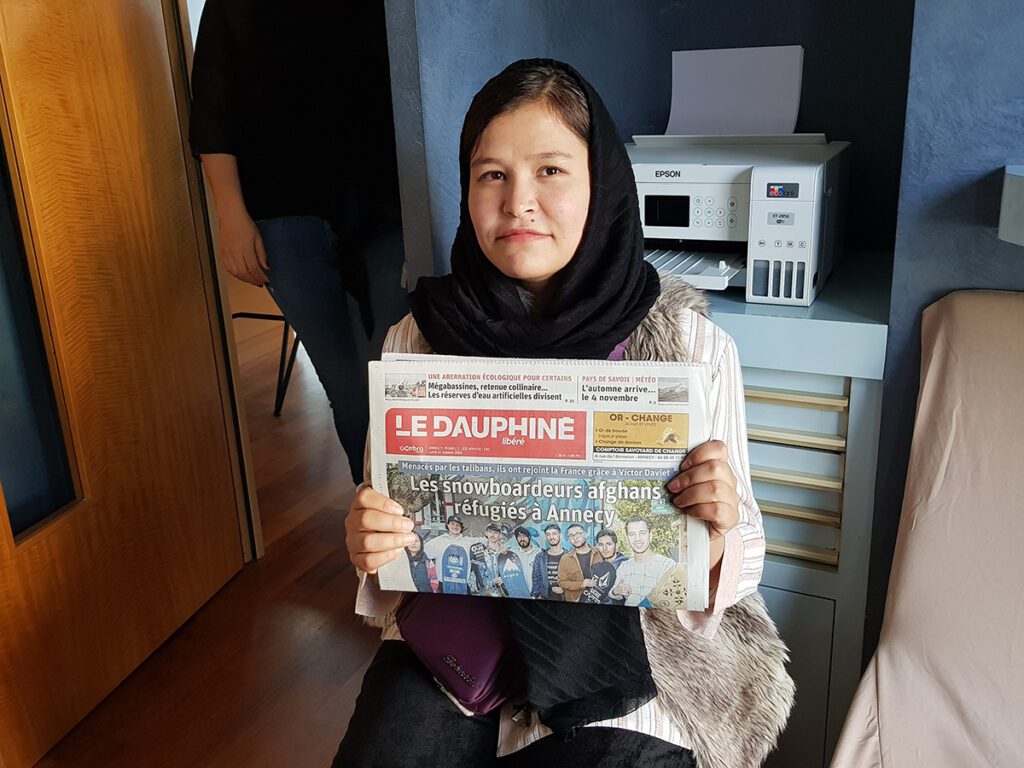
A few months later, while I was arranging the trip with their federation, I got a call early one morning: “The Taliban took power. The whole team received death threats for being snowboarders and for supporting gender equality through sport. We have to leave.” From that point on, everything changed.
You stepped into a rescue operation overnight.
Yes. I poured everything into it – posting on social media, gathering a team of lawyers and snowboarders. We helped 15 riders leave. Seven got out on the first flights and ended up scattered across Germany, Canada, and the U.S…. The other seven were stuck after the Americans left; eventually, with funds from our nonprofit and the work of our “angel” lawyers, they were transferred to Pakistan and lived there for a year with nothing – no family, money, studies, or friends – just kids aged around 17 to 23 starting from scratch. We housed and fed them while hunting for visas any way we could. It was intense: I was busy with my own life, and suddenly, other people’s lives depended on this mission.
The media helped a lot, and had a big role in the success of the mission. I shared the story on a big French outdoor podcast, and the daughter of a lawyer heard it and told her mother. I reached out to her, but I received no response for a few weeks. Then, by chance, she was on vacation near where I lived, so we met in person. She said, “I love your story. I’m going to help you.” A couple of weeks later, she urged the French government, and an email came through granting the seven visas to come to France.
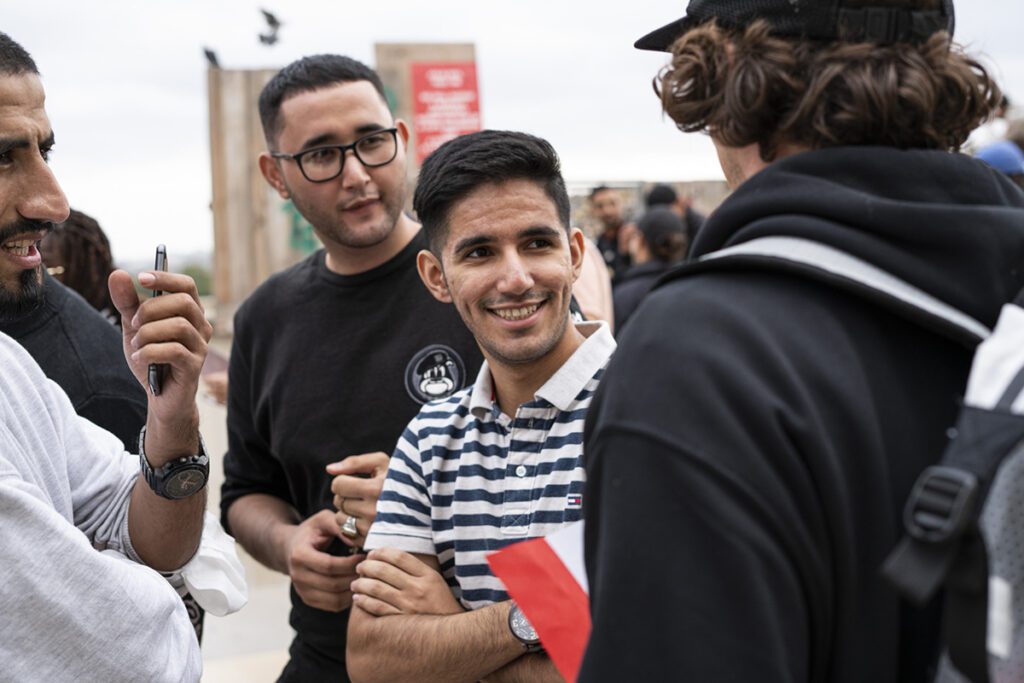
We then needed to book flights within the week. We didn’t have the money, but one of our “angels” paid for all the tickets. I borrowed my mum’s nine-seat van, drove to Paris to pick them up with photographer and friend Jérôme Tanon, who had seen I was drowning in logistics, and jumped in and now is a core part of Snowboarders of Solidarity.
Driving back with the crew felt like switching from ‘save them’ to ‘raise them’; suddenly, we had seven kids – brothers, really – and that was the start of part two: integration.
Once the story was everywhere in France, on mainstream news and even snowboard media, authorities basically told our lawyer, “We’re not going to fight – issue the right entry visas so they can come to France and apply for asylum.” Her intervention unlocked that first visa step, and once they arrived, their asylum process moved faster than what we’d seen for many others.
After the rescue, what did integration actually look like – what happens next?
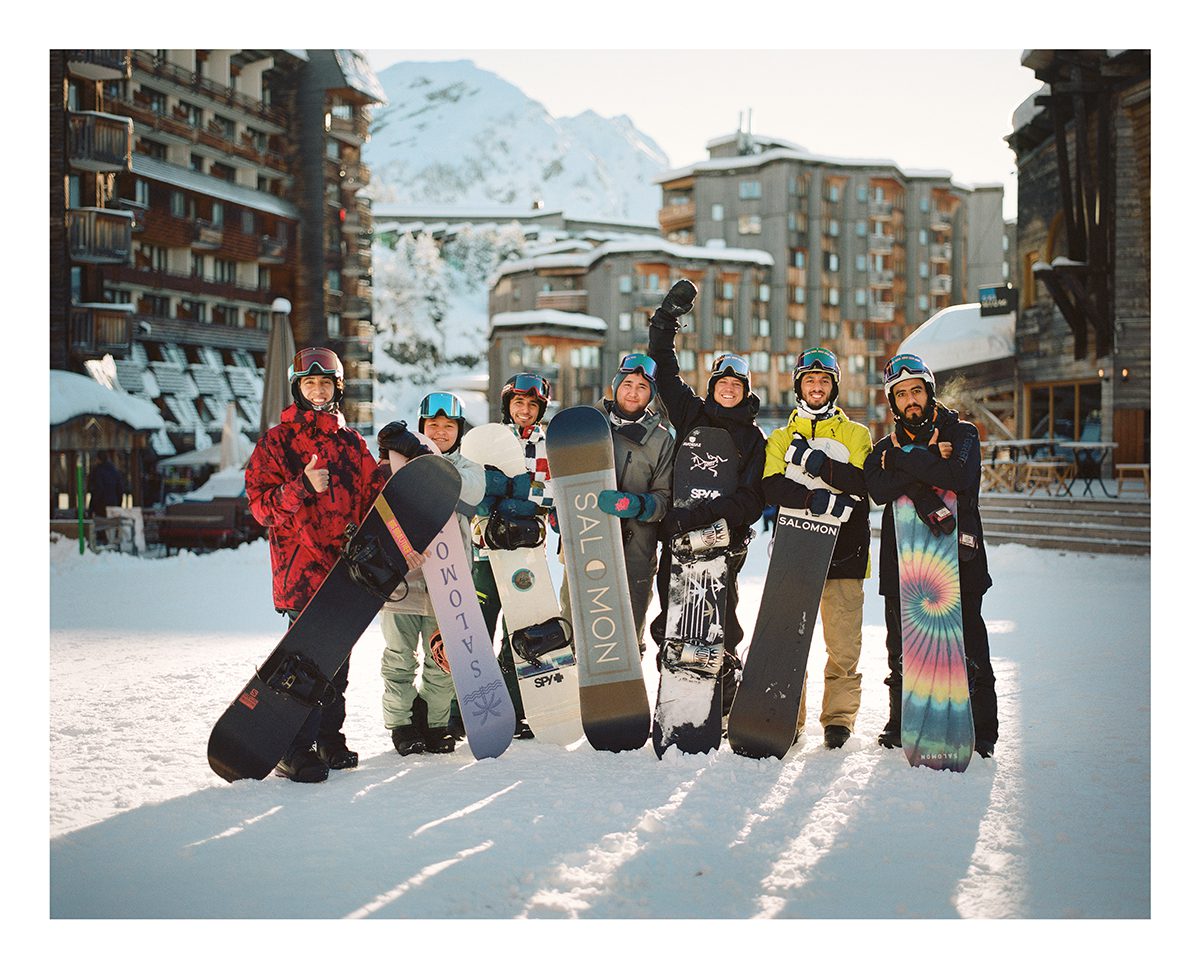
The rescue was just part one. Part two was integration – what they would do in their new life. They’ve now been here for almost three years – this October marks three years – and it’s been an amazing journey. Initially, we helped with everything, but they learned French, improved their English, found jobs, and gained independence in managing their finances and daily life. We started snowboarding together, and now some are studying while others have exciting projects in snowboarding. We even spend Christmas together with my family, sharing dinner with my grandpa and then hitting the slopes. It’s been the craziest, most meaningful story snowboarding has brought me.
And for the Afghan riders – what’s next on snow?
Two of them made it to the Asian Games – like the Asian Olympics – which was huge. Imagine your first time riding a halfpipe while others have trained for 15 years. Some dream about the Olympics next time – representing their country under the official flag, not the Taliban one – whether in freeride or freestyle. For now, it’s about riding for fun, improving, and, if it feels right, qualifying.
What did you learn about making impossible things possible?
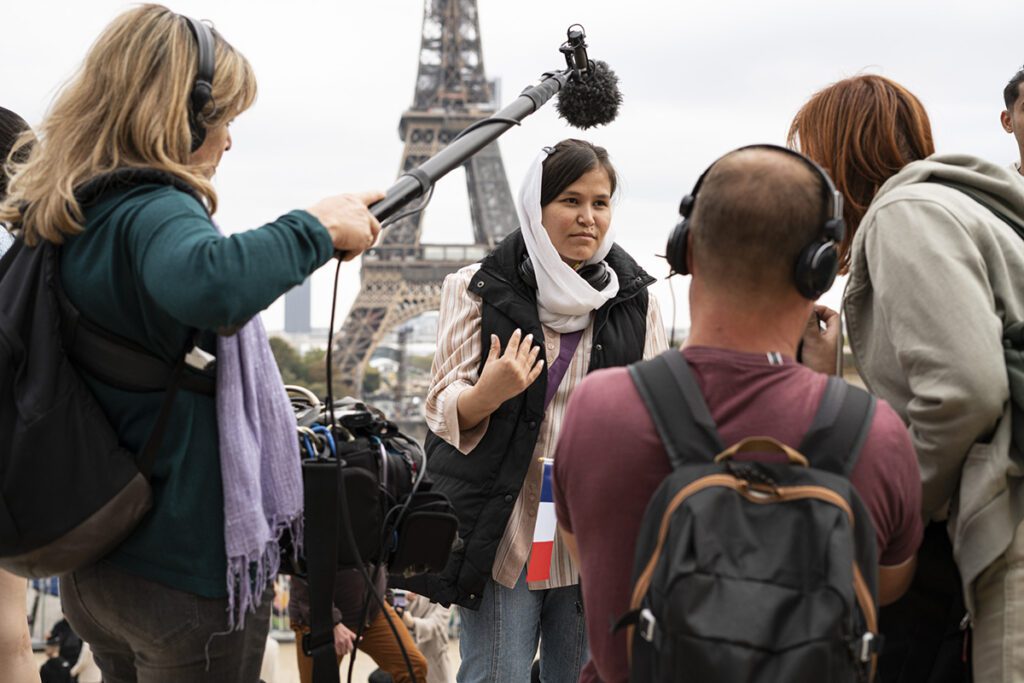
The true meaning of solidarity. I’m just a snowboarder, but you link one rope to another – one contact to the next – and suddenly you’ve built something strong enough to pull people out of danger.It doesn’t matter who you are, what counts is trying with all your energy and learning the process as you go.
I also realized how much the role of media mattered, as once the story spread, doors opened much faster.
Where is Snowboarders of Solidarity today, and who do you help?
We have a solid team – Jérôme Tanon, Laurent Pordié with the French federation, plus our angels. The Salomon Foundation supports us and funds the NGO.
Now that the Afghan crew is more stable, we can take on new cases. Who are we talking about? Riders and young people in real trouble – persecuted, displaced, or blocked from riding and studying – who also have a genuine project to grow snowboarding where they live. If that’s you, email us via the website: tell us who you are, where you are, why you need help, and what you’re trying to build. We review every request carefully and, if we can help, we will; if we can’t, we’ll try to point you to someone who can.
This isn’t about upgrading boots. It’s about a serious need. If you think you’re the one who needs help, raise your hand – and if we can assist, we’re here.
And for people inspired to help and contribute to Snowboards of Solidarity, what’s the best way?
Two ways. One: get directly involved – join the NGO and help us support more riders. Two: if you don’t have the time, a small donation on our website can make a real difference. If you need help, the easiest way to reach us is by email through our website. Social media works too, but email is best so we can review your case and take action.

Freshly Crowned Corbet’s Queen Ellie Weiler on Colorado Roots, Comps and Comebacks.
Olympic Snowboarding, Big Air Drama, and the Stories We Choose to Tell
Behind the scenes of the self-shot snowboard projects of Seth Hill and