






Rising Up: Riley Sharpe
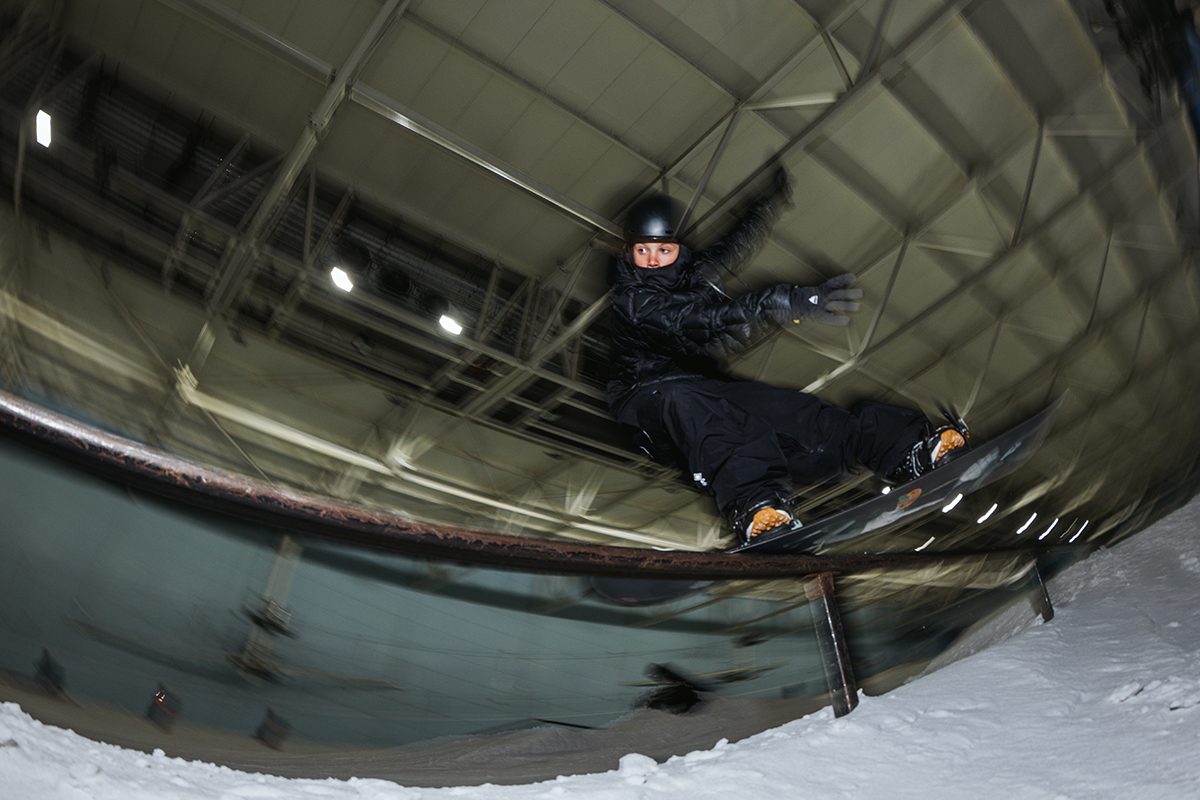
INTERVIEW: STELLA PENTTI PHOTOS: CRAIG ROBINSON UK-born, Avoriaz-raised, and fueled by endless energy:



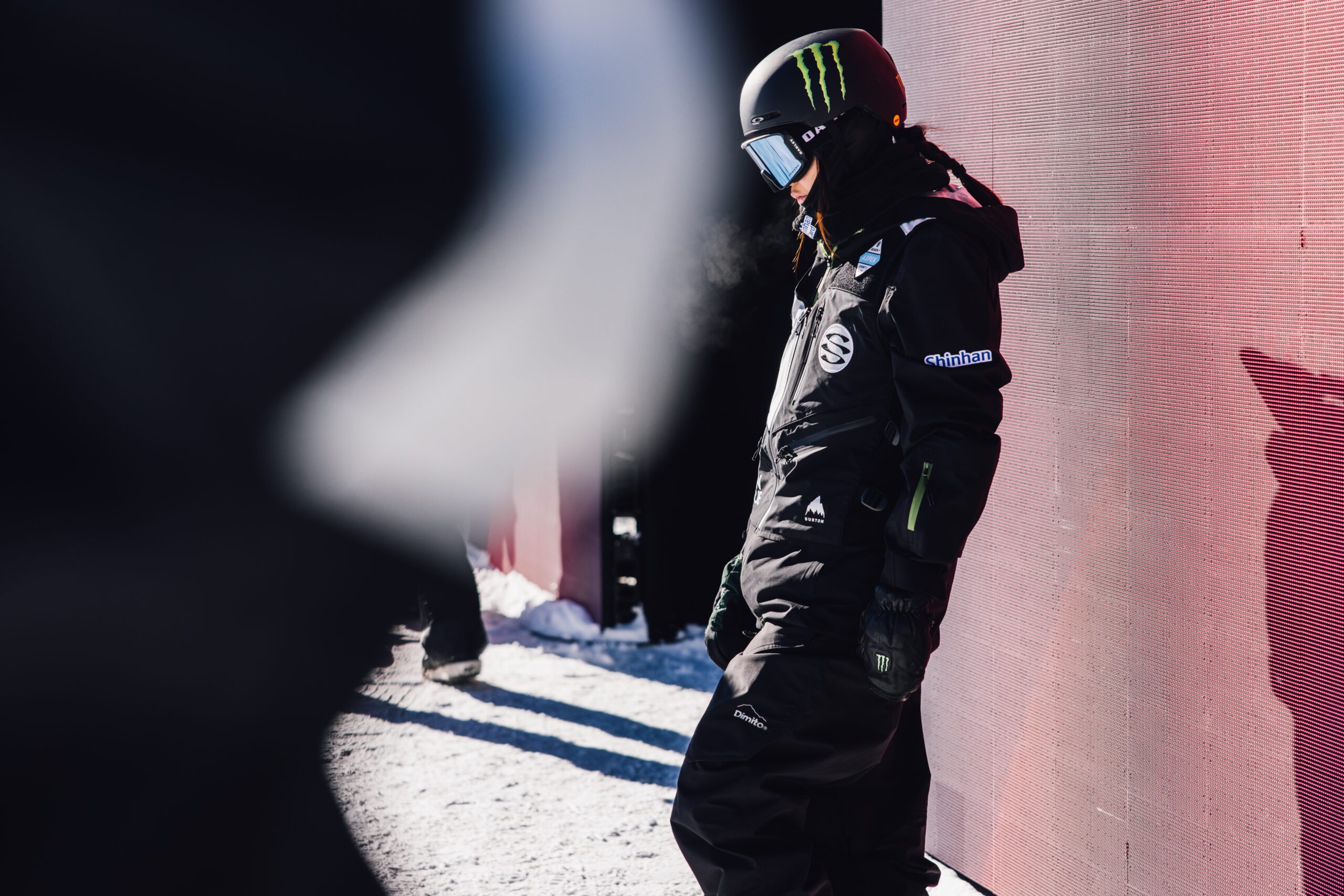
There was a moment in the Olympics, somewhere between a fall and a final run, where Gaon Choi’s contest was effectively over. Not officially. But mentally.
She had crashed heavily, and the result was slipping away. For a second, it felt done. And then, just as quickly, she made a decision that says more about the future of halfpipe than any medal ever could.
But then I realized… if I stopped there, I would regret it for the rest of my life. So I decided to try again and do my best.
If this was the end, she thought, she didn’t want to regret it. So she dropped back in.
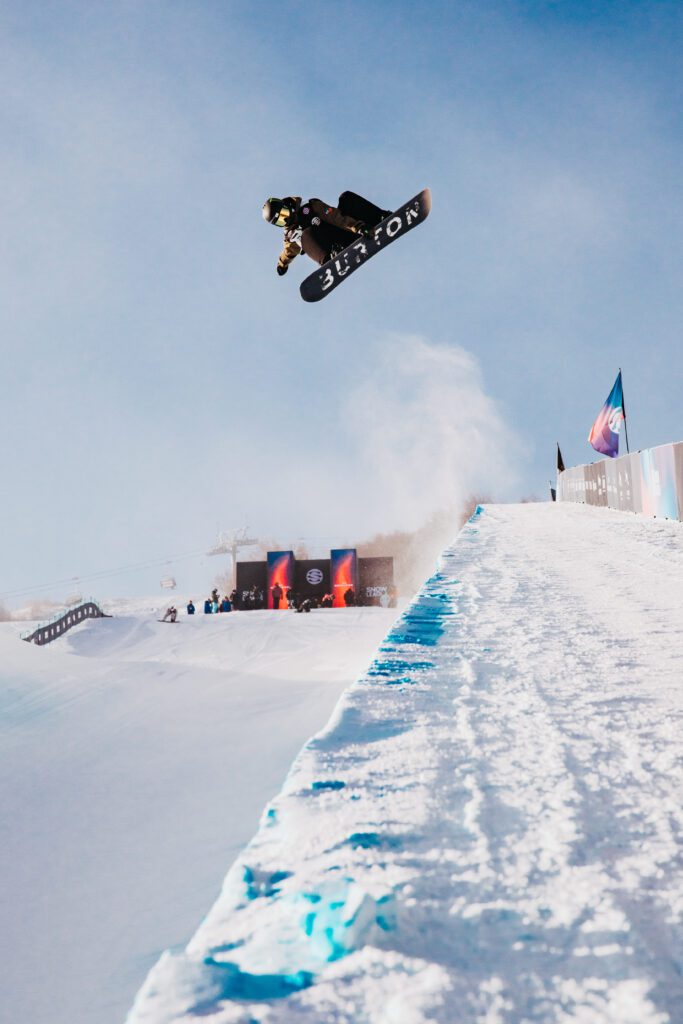
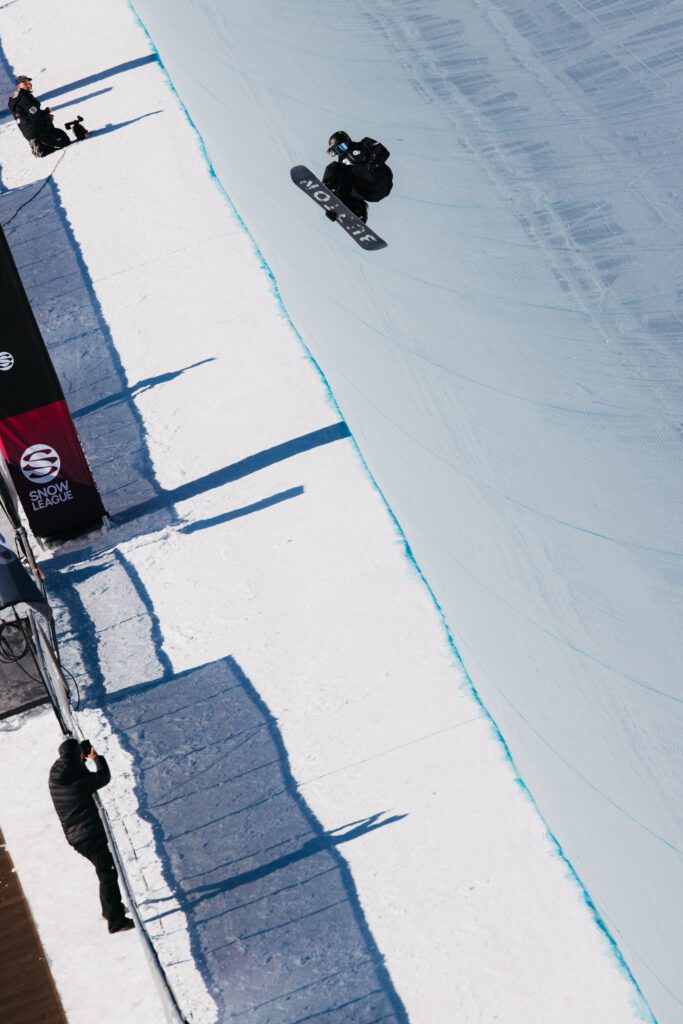
Interview and words by Alba Pardo
What followed wasn’t a carefully engineered comeback. There was no overthinking, no deep tactical reset. Just a simple approach: last chance, just go.
That instinct, to act rather than calculate, is something Choi leans into naturally. She describes herself as a bold rider, someone who would rather commit than hesitate.
I just thought, why not try? It’s my last chance, so I should take it. I’m usually quite bold, so I just go for it.
And increasingly, that’s exactly what modern halfpipe demands. Because while the tricks keep progressing, the bigger shift is happening elsewhere: in how riders approach competition itself.
For years, halfpipe has been defined by a familiar structure: qualification, finals, best run counts. Predictable formats, limited events, and long gaps between meaningful contests.
That structure is starting to crack.
New formats like the Snow League are pushing riders into a different kind of environment: one that’s less about waiting for the perfect run, and more about adapting in real time.
Instead of isolated performances, it’s a season-long, points-based circuit, where riders accumulate results across multiple events and face head-to-head pressure along the way. For athletes, that changes everything.
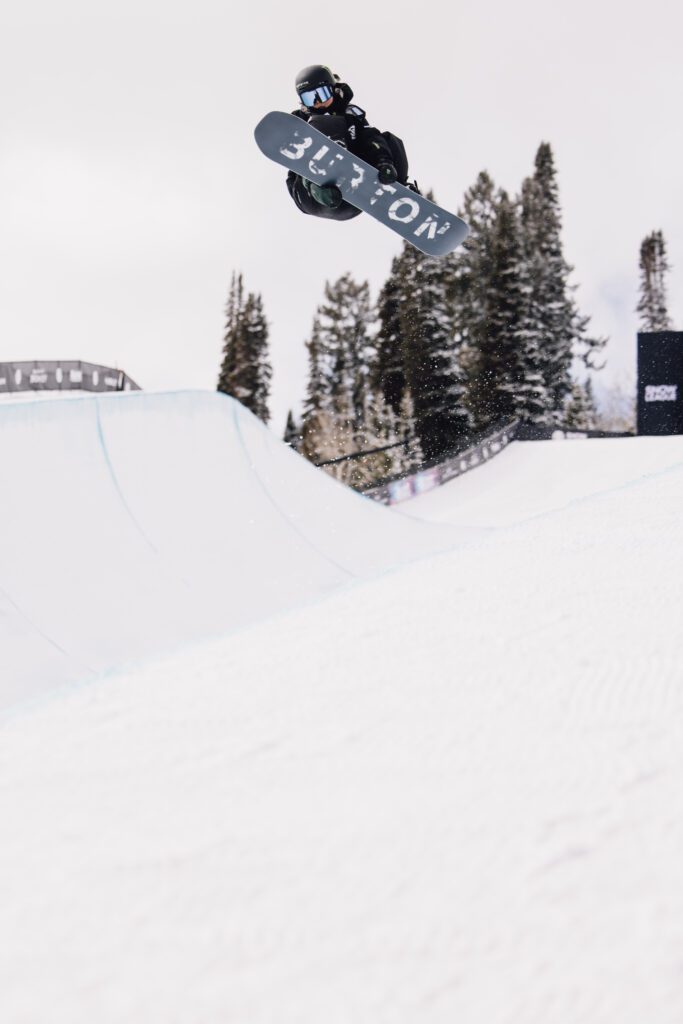
Choi already approaches competition with that mindset. When it comes to building a run, she doesn’t follow a fixed formula. Instead, she adjusts depending on who she’s riding against, reading the field, adapting her strategy, staying flexible.
For her it’s less about executing a pre-built plan, and more about reacting in the moment. And this is exactly the kind of approach these new formats reward.
How I plan or approach my run depends a lot on who I’m competing against. I look at the other riders and decide my strategy based on that.
Because in a head-to-head or evolving competition structure, there’s no space to hold back for later. No guarantee of another run. You either go, or you don’t.
The timing isn’t accidental.
Competitive snowboarding has been losing structure for years: with fewer top level events, inconsistent calendars, and limited opportunities outside of the Olympics and a handful of World Cup contests.
That’s part of what the Snow League is trying to address: creating a professional circuit with continuity, visibility, and financial stability for riders. More events. More exposure. More reasons for riders to stay in the sport. And last weekend in LAAX was the proof of it.
Snow League can have a positive impact and help shape a different version of snowboarding. I think it helps grow the snowboard scene, especially now that some tours and events are disappearing.
But just as importantly, it’s changing how the sport is experienced by athletes and audiences alike.
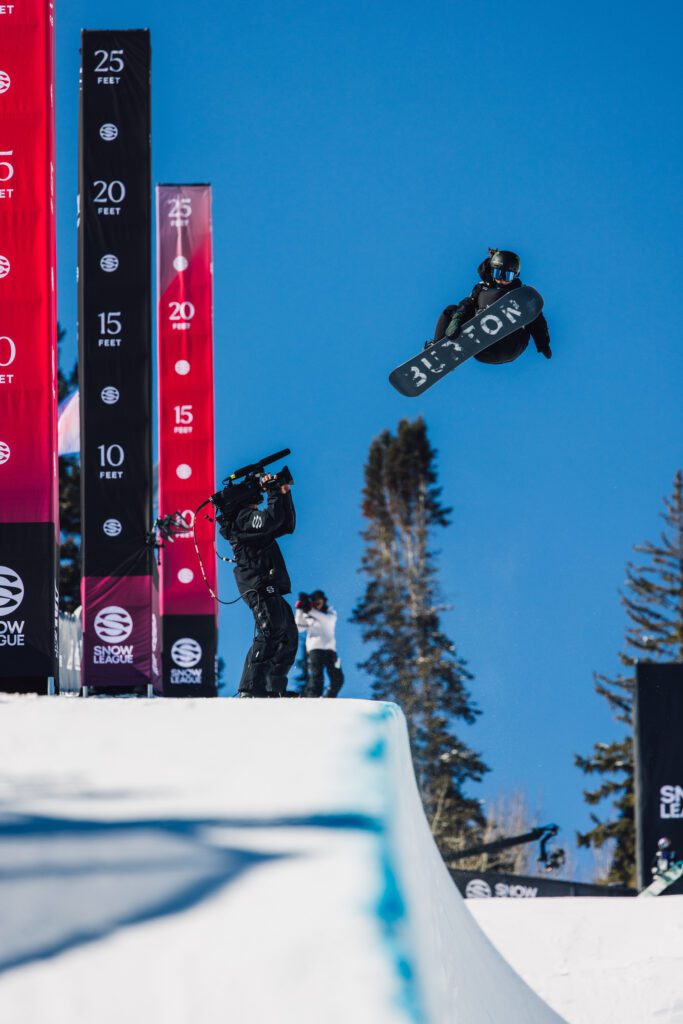
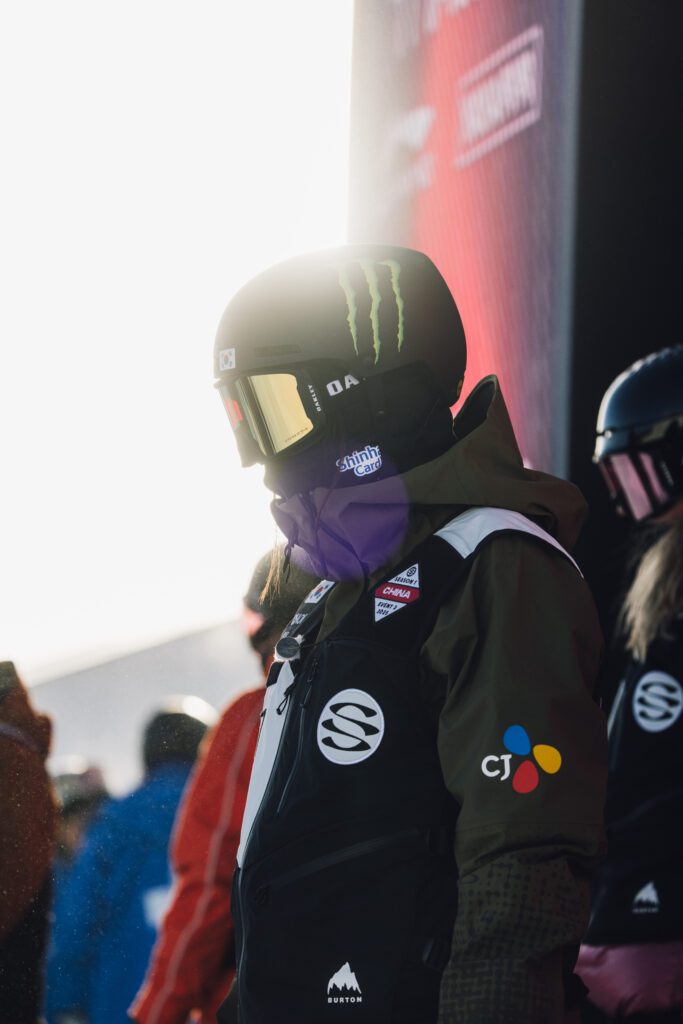
For Choi, this shift is happening in real time. She grew up watching riders like Chloe Kim, studying their runs, seeing them as the benchmark.
She [Chloe Kim] has been my idol since I was really young. So it still feels unbelievable. I feel really proud that I could compete with her and win.
Now she’s not just competing against that generation, but helping define what comes next. Not through big statements or radical reinvention, but through something simpler: A mindset that strips things back to the essentials: not overthinking, not holding back and taking opportunities as they come.
At 15, Choi is still at the very beginning of her career. She talks about growth, about progression, about everything still ahead.
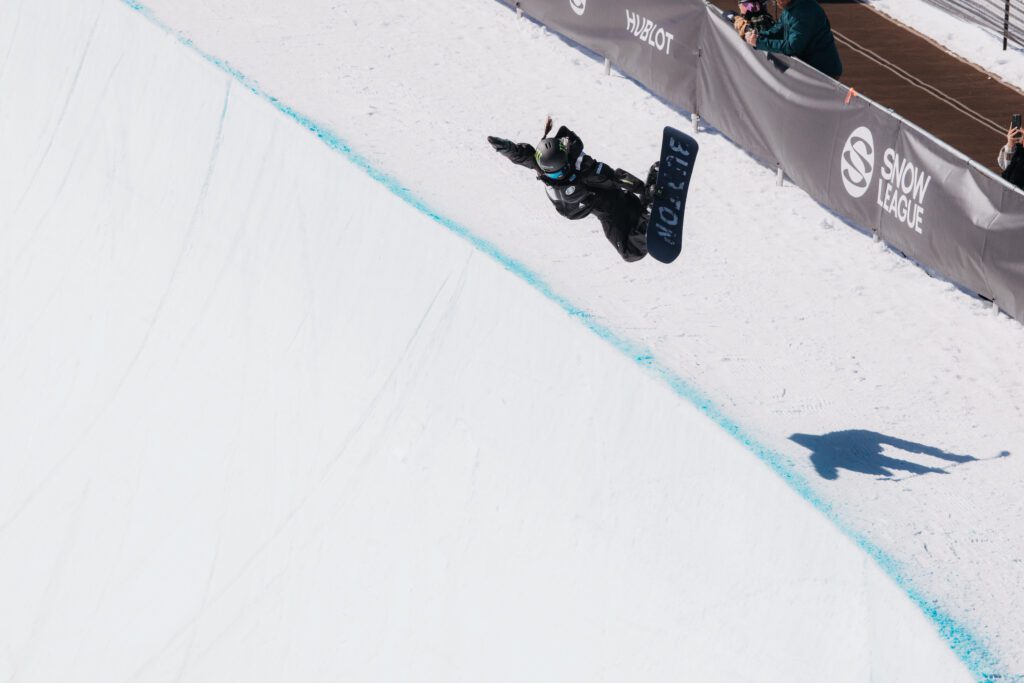
I’m still young, so I think I have a lot of room to grow. There were many struggles in between competitions, but in the end I was able to get the medal. I feel proud of myself and really happy. It still feels like a dream. I can’t really believe it.
But in many ways, she already embodies where halfpipe is heading: away from calculated perfection. and towards something faster, less predictable, and more instinctive.Because in the end, the decision that defined her run wasn’t about winning, it was about not walking away.
I started with a good result, so I hope the next generation can continue to grow and progress even more.
And that might be exactly the kind of thinking the future of halfpipe is built on.
INTERVIEW: STELLA PENTTI PHOTOS: CRAIG ROBINSON UK-born, Avoriaz-raised, and fueled by endless energy:

New Role, Still Snowboarding Words: Darrah Reid-Mclean Darrah Reid-McLean reflects on shifting
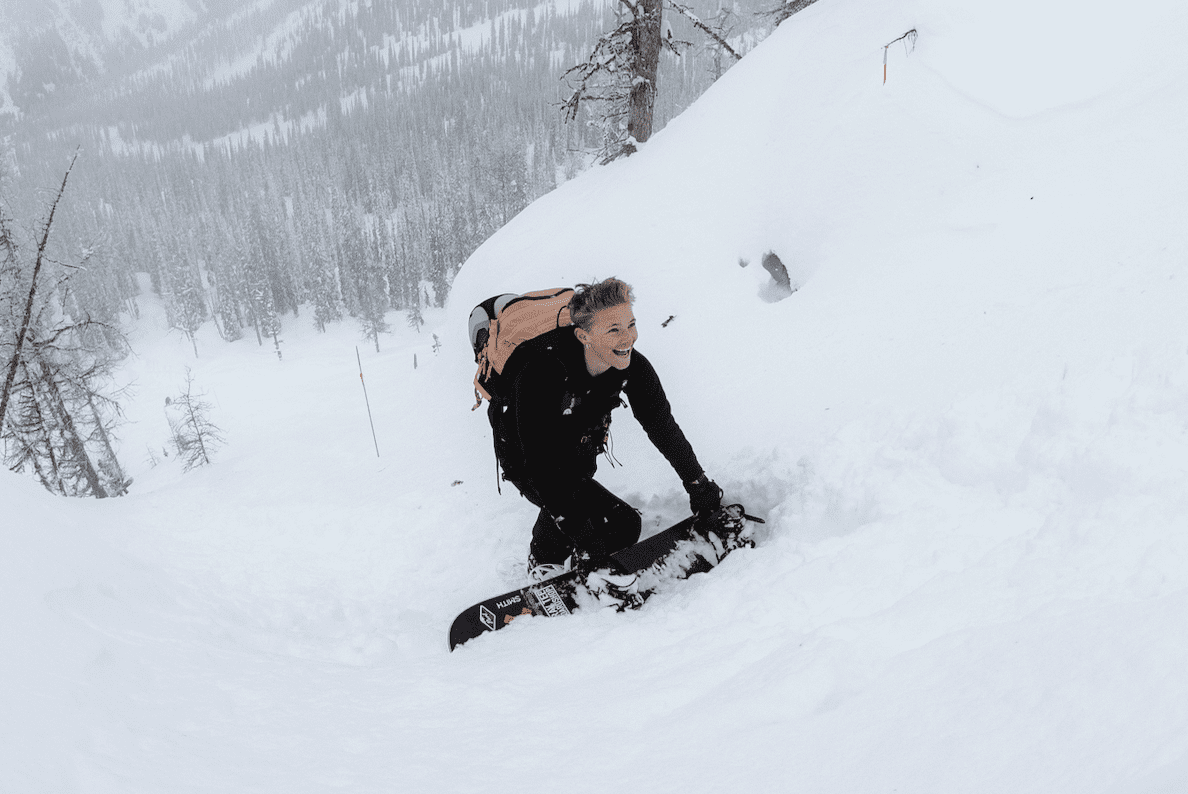
Freshly Crowned Corbet’s Queen Ellie Weiler on Colorado Roots, Comps and Comebacks.