

Rising Up: Jess Perlmutter
INTERVIEW: MARY T. WALSH PHOTOS: ASHLEY ROSEMEYER The first day of the 2024



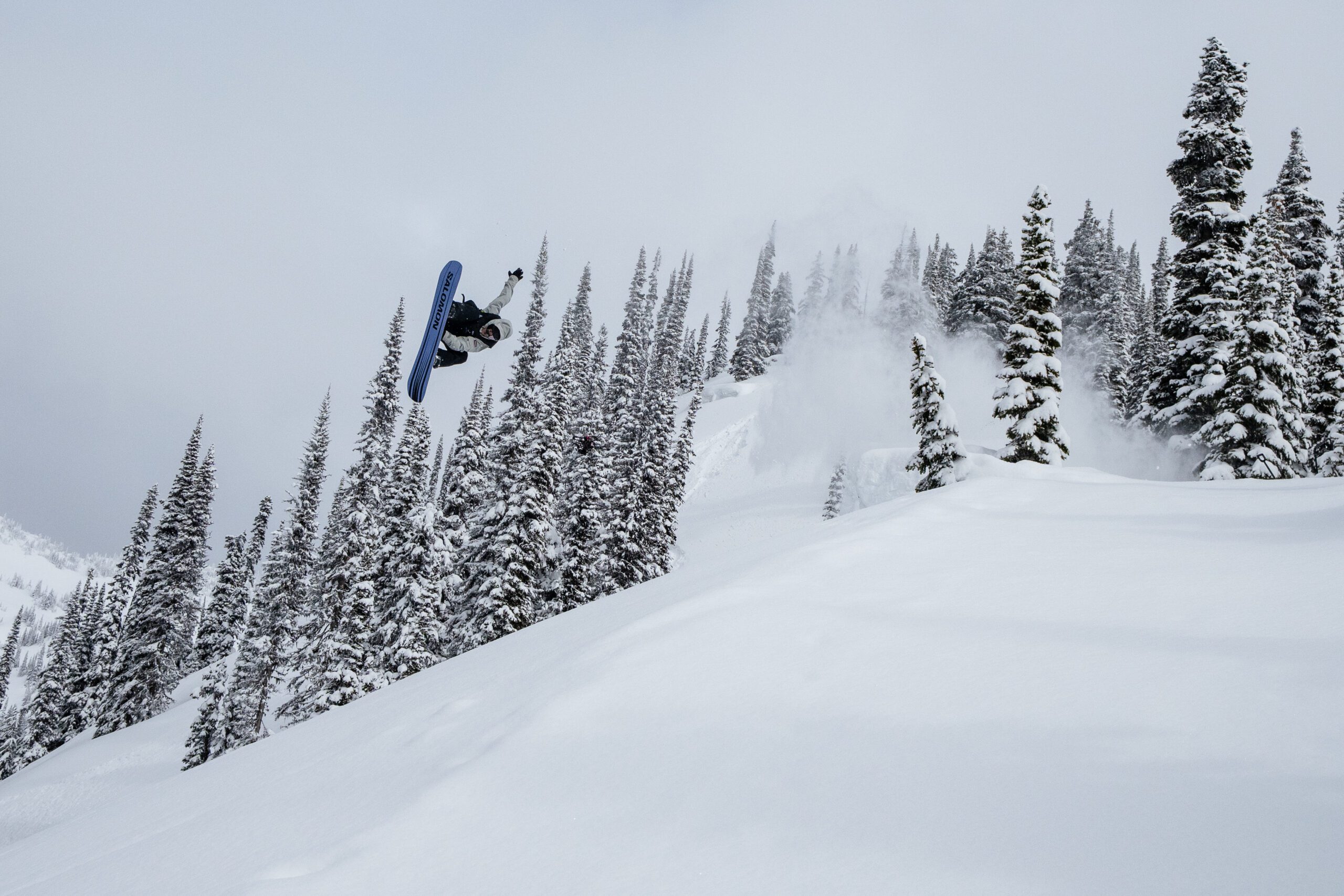
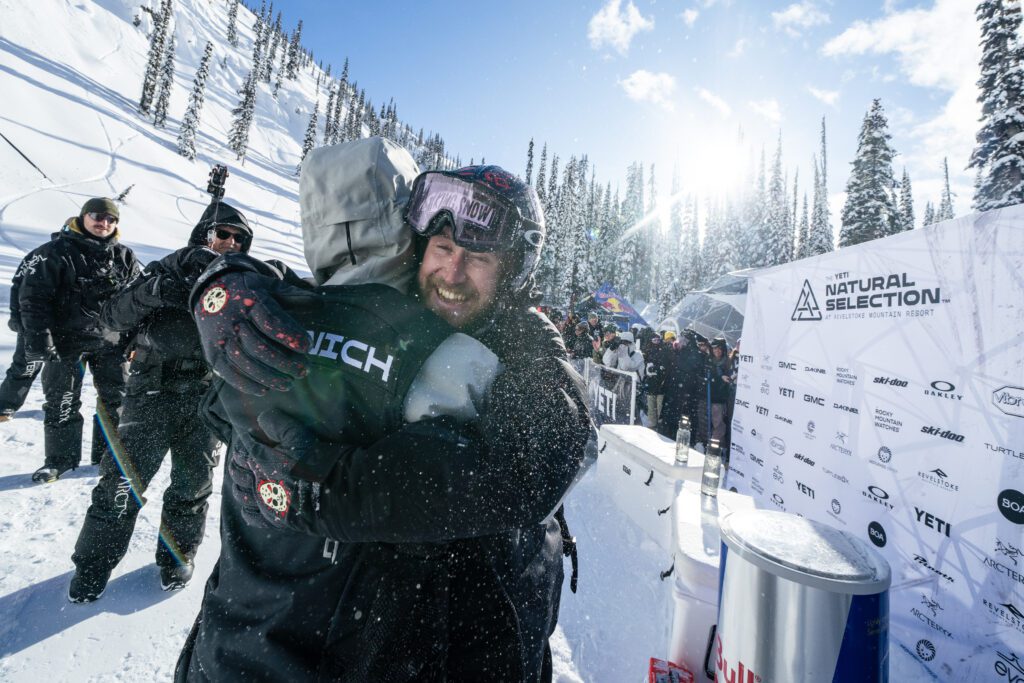
Nils Mindnich returned to Revelstoke for Natural Selection 2026 with a fresh mindset and walked away with one of the most deserved wins of the year.
Nils Mindnich’s Natural Selection Tour win in 2026 was arguably one of the most deserved victories in the history of the competition. After coming so close to the crown in 2024, the talent was never really in question, but, as Nils put it, “the magic ingredients” had never quite lined up to bring him all the way there.
This time, they did. “It’s been this weight lifted off my shoulders… probably one of the most fulfilling experiences I’ve had in snowboarding,” Nils admits.
Whilst being one of the most multi-talented riders on the planet, not to mention an incredibly level-headed and positive human being, reaching the right mindset to get to this point wasn’t exactly straightforward. Between NST 2024 and 2026, Nils relocated from Salt Lake City to Annecy, started a new role as snowboard designer and shaper at Salomon, became a dad, and continued pushing his riding to new levels – all the while knowing he had what it takes to win NST.
Going into NST 2026, Nils found that his mindset had shifted from a more aggressive, angsty “let’s go all the way” mentality to a calmer approach: clarity, flow, and trusting his instincts. Instead of overthinking every round, Nils turned up with a clear vision of the tricks he wanted to put down, while soundtracked by excellent tunes like Boney M’s Sunny and Celine Dion’s It’s All Coming Back to Me Now. His mantra for this year’s event became: “I get to ride how I want, and that’s all I have to do.” The result? The highest-scoring men’s run of the day – and his first NST title.
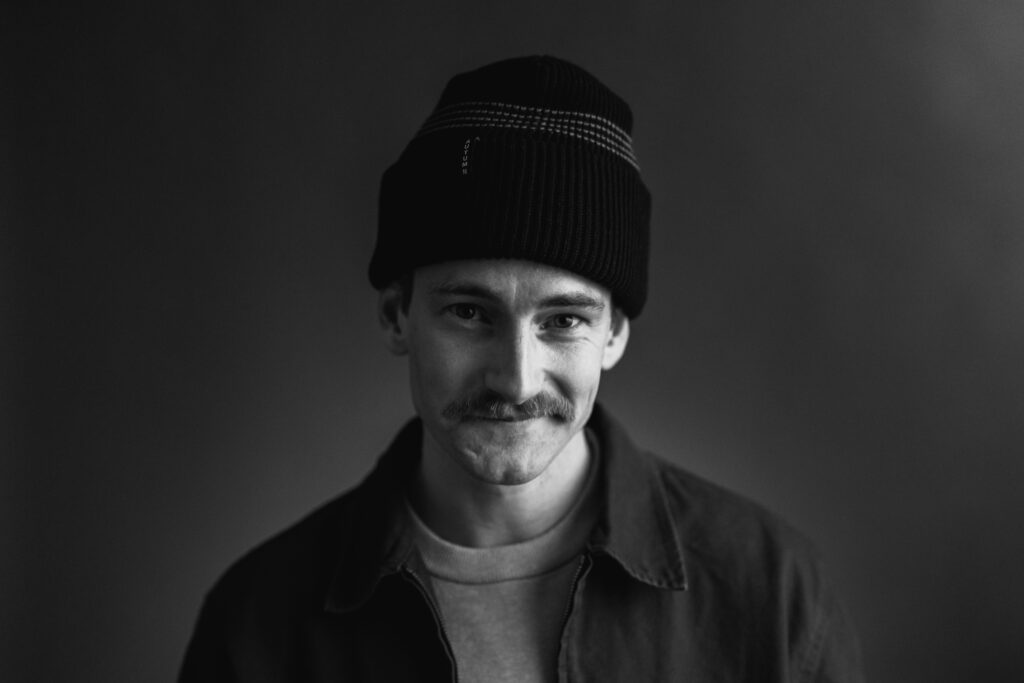
Hi Nils, and thanks again for finding the time to sit down with me. So, where are you currently?
I’ve had a pretty dynamic itinerary in the last 24 hours. The original plan was to have some heli days booked in Revelstoke on Wednesday and Thursday, but it’s pretty much raining to the top now, so we figured that wasn’t worth it. We cancelled our time with the heli op, and I just booked a flight home. We made that call yesterday, and then last night I drove to Calgary. Right now I’m in Calgary, and tonight I’m flying home to France. Long travels, but it’ll be good.
Sounds pretty intense! Where in France are you based?
I’m in Annecy. Coincidentally, a co-worker who was here also changed his travel plans, and we have the same flight, so that means I’ve got a ride home.
That makes things easier. So, first of all, massive congratulations on a well-deserved Natural Selection Tour win! Your semifinal run was incredibly clean and so enjoyable to watch. How has the aftermath been? Has it sunk in yet that you’ve won NST, or does it still feel a bit surreal?
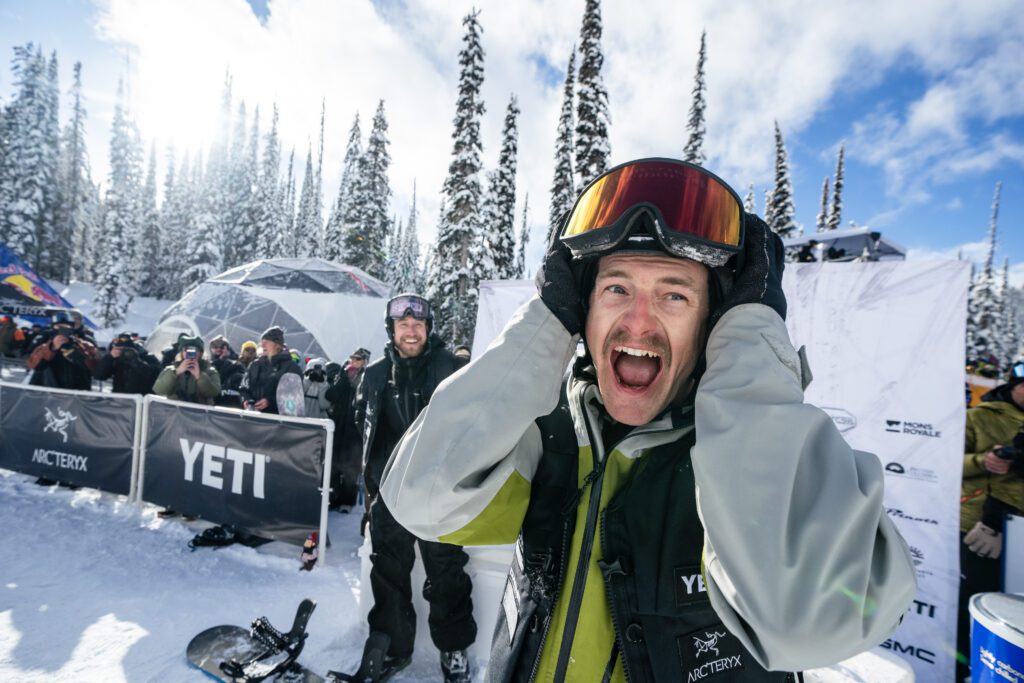
Thank you so much. I was so excited – it felt really good. With this contest, you never really let your guard down. Anything can happen, nothing’s guaranteed, so you almost don’t believe it’s real until it’s actually happened.
It’s definitely set in now. The aftermath has been really cool. I’ve had so much positive feedback from people who have been following my snowboarding for a while and understand how much this means to me. A lot of the responses have actually been the same – people saying they’re not surprised and that it’s well deserved. And honestly, I kind of feel the same way. I’m not surprised either. I’ve always had a bit of an interesting relationship with Natural Selection. I’ve kind of always ridden well there, but the magic ingredients have never quite lined up to make it all the way to the top spot before. I’ve gotten close a few times, and there’s always been something that falls through the cracks. So everyone, myself included, knew it was possible.
But it’s another thing to actually bring it home and accomplish it. To put in all that work, on and off the snow, trying to do everything I can to be ready, and then have it actually pay off… It’s been like a weight lifted off my shoulders. Probably over the last five or six years, this thing with Natural Selection has been hanging there in the background. To finally do it has honestly been one of the most fulfilling experiences I’ve had in snowboarding.
You finished second at NST in 2024 and came into this year knowing you were close. Going into this year’s event, did you approach it any differently mentally or strategically compared to last time?
Yeah, it was different this year. Mindset has always been a big part of my process – maybe even to a fault. I’ve always been pretty in my head about how I approach contests. In the past, I would kind of tap into this more aggressive, angsty “let’s go all the way” mentality. It was pretty intense.
This year was different. Going into qualifiers, I had such a clear idea of what I wanted to do. I wanted to land that front one into switch back seven – I had actually just learned it specifically for that jump. On one hand, I thought maybe I was pigeonholing myself and ignoring other opportunities on the course. But on the other hand, I was like, ‘You wanted to do this trick, even if you only get three runs in qualifiers and don’t make the cut, just do that trick, and you’ll be fulfilled that you accomplished it.’ So my mindset became: take it one run at a time. Do what you want to do and don’t worry about what’s next. If you make it through, you’ll figure it out when you get there.
I had a super clear idea of the tricks I wanted to do, so every time I made it through a round, I was never caught off guard trying to figure out a line or getting out of rhythm. I’d just think, cool, this is the next sickest trick I’ve dreamed up for this course, and then go do that. It removed all the scattered decision-making and helped me stay really present and focused.
On top of that, my vibe was totally different. The night before, I kind of set my mantra: I get to ride how I want, and that’s all I have to do. Even the music I was listening to reflected that. I don’t know if you could hear it in the broadcast, but I was playing Sunny by Boney M, and up top, I was listening to It’s All Coming Back to Me Now by Celine Dion. I had this whole playlist that morning that was basically telling me: don’t get too angsty, have a good time, keep a good vibe, and remember that all you have to do is snowboard.
Your semifinal run scored a 95 and ended up being the highest-scoring run of the day. You mentioned that line was something you’d been envisioning for a while. When you’re standing at the top of a venue like Montana Bowl, how much of the run is planned beforehand versus reacting to the terrain in the moment?
Looking back at it, there was one key turning point on finals day where I kind of thought, okay, this might actually be my day. On my first run against Jared, he fell, so I thought, alright, I can do a safety run. My plan was to repeat my run from the first day and do a front five on the ridgeline jump. Historically, I’d landed tricks there on the first try: switch back seven, front nine, front one butter switch back seven, and then I fell on the front five. I had this moment of thinking, are you kidding me?
As I rode into the next feature, I went back to the mindset I’d had all week. I’d been telling myself a switch back three butter would actually be really cool on that jump, so I figured, just try it. It’s basically a throwaway run anyway. And when I went in and tried it, it was just… easy. It worked perfectly. From that moment on, I thought: Okay, I can do whatever I want today. After that, everything just started flowing. Nothing felt forced. I wasn’t scared of any tricks, everything just lined up.
I climb a lot, and it actually felt similar to sending a climbing project you’ve been working on for a long time. You spend days or weeks struggling to figure out the movement, and then when you finally send it, it suddenly feels easy. That’s what finals day felt like.
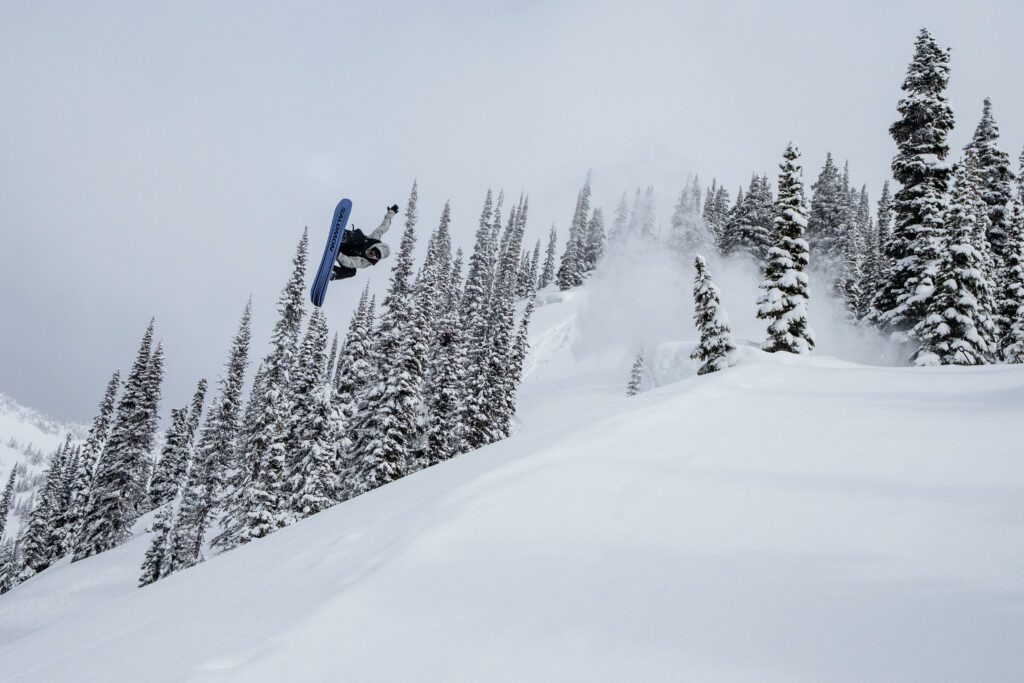
Of course, there’s always some reacting to the terrain. You might plan one feature, land somewhere slightly different, and suddenly you’re heading toward another zone. That happened during my semi-final run, which is probably the craziest run I’ve ever had.
The two tricks I really wanted were the front one into switch back seven, and then the switch back three nose tap. After that, I planned to continue to the ridgeline and hit the cliff I ended up buttering. But when I landed the switch back three, I got heavy on my heel edge, and suddenly I was heading across the venue to the other side. So I threw a switch toeside to get back on line, headed toward the cliff again, and was thinking: cab five? Cab three? In the end, I did a cab one into switch back three.
Then I rode away, looked up, saw the Stale crippler hit, and thought: maybe a crippler? Then I was like, no, just do a back three and land the run. It sounds complicated, but honestly, it just felt like I was snowboarding.
One thing that really stands out in your riding is how comfortable you are going switch in big mountain terrain. When did switch riding become such a defining part of your approach?
Switch riding has always been part of my snowboarding. Towards the end of my halfpipe career, when corks were becoming more normal, I found myself drawn more towards the technical side of riding. A friend of mine, skier Duncan Adams, and Elijah Teter were both pushing that technical switch riding aspect, and I just thought it was really cool. So I started trying to ride switch more, doing switch tricks and even thinking about switch pipe runs, although I never actually put one together in time for a contest before I moved on from that era.
But there were a few reasons why it became such a big part of my riding. First, it was just something different and interesting from a contest perspective. Then, when I transitioned into filming around 18, it became really practical. When you’re filming in the backcountry and riding with a crew, having the ability to do all four 180s, 360s, 540s and 720s switch just opens up so many options. If there are four riders hitting a jump and certain tricks get used up, being able to do something like a switch back one suddenly gives you another option and helps you get more shots.
But honestly, the third reason is probably the most relatable one. I spend a lot of time on a snowboard, and there are plenty of days that aren’t all-time conditions. On those days, I’m not trying to push some huge trick – I’ll just cruise around riding switch. Taking the traverse home at the end of the day, I’ll sometimes just ride the whole thing switch.
What I’ve always found fascinating is how different it feels. I’ve spent my entire life on a snowboard, so turning one way feels completely natural. Then you go the other way, and suddenly it feels like you don’t know how to read or write anymore. It became kind of mentally entertaining for me to try to figure out why that is, mechanically relearning how to snowboard backwards, the positioning, the pressure in the boots, all those little details.
In a way, it was just something to keep my mind occupied. Instead of trying another 1080, I found it interesting to explore something that feels so different, even though it doesn’t look that different from the outside.
Looking at the level of riding this year, progression in backcountry freestyle seems to be accelerating quickly. From your perspective, how has the level changed since the early years of NST?
If we look back to 2021, when the modern era of Natural Selection really started, the level has evolved a lot. But in some ways, the contest is still catching up to where actual backcountry snowboarding already is.
Part of that is just the format. Riders usually only get a couple of runs, so you’re naturally trying to ride at maybe 60 percent to make sure you land, rather than going absolutely all-in. In the backcountry, double corks have been common for a decade, and now we’re only just starting to see them in the contest environment – Mark [McMorris] just did the first one in NST competition.
So the level is progressing quickly, but it’s still not quite at the full level of full filming, simply because of the pressure. You’re riding in front of a crowd, there’s a live broadcast, drones everywhere, and you can’t even ride the course beforehand. Everyone is dropping in blind for the first time.
When you look back at it, the progression is actually pretty crazy. In 2021, during the first stop in Jackson, qualifiers were head-to-head. That year, I had the fourth-highest score out of sixteen riders, but I was matched up against Pat Moore, and he had the highest score of the day, so I got knocked out.
That run that placed fourth overall was a cab five, a front three and a back three. Now you’ve got someone like Mark McMorris doing a back double 10 first try and not even advancing past quarterfinals. That kind of shows how quickly the level has changed.
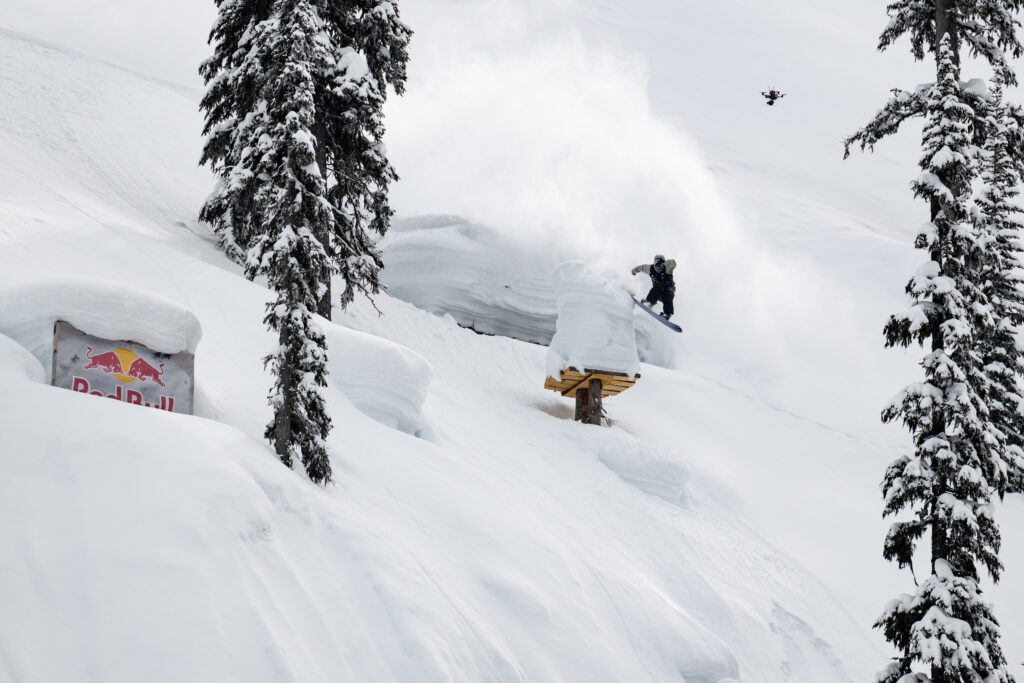
You’ve had an interesting relationship with competitions throughout your career – from halfpipe riding early on, to focusing on filming, then winning the Freeride World Tour in your rookie year, and now winning NST. What is it about Natural Selection that keeps pulling you back?
There are probably two main things. The first is simply that the course is so sick. It’s honestly the best run I’ve ever taken in my life. Just getting the chance to ride that venue is incredible. It almost doesn’t feel real; it’s kind of like a dream scenario.
The second part is more personal. When I was younger, I came up through competitive snowboarding, but I never really had the success I hoped for. Then I spent a lot of years focusing on filming, and that can be complicated, too. Some seasons everything lines up – conditions, budget, crew – but other years it doesn’t. I probably filmed for ten years, and only a couple of those seasons really felt like everything came together.
Natural Selection is fulfilling because it feels like I get to fully utilize my skill set. I get to ride with people I’ve looked up to for a long time and be part of a level of snowboarding that I always wanted to be part of as a kid. I respect everyone involved and the work they put in, and honestly, I just enjoy being in the mix. It feels like being part of the party.
Another thing that’s really cool about NST is the range of ages. I think I was about 24 when I first rode it, and now I’m 31. But then you look at someone like Gigi [Ruff] or Travis [Rice], who are in their 40s and still riding incredibly well. It makes you realise that experience and intuition play a huge role in this kind of riding. For me, that’s inspiring.
You recently became a dad – huge congratulations! Has fatherhood changed the way you approach competition or risk in the mountains?
Thank you! She’s about ten weeks old now, two and a half months. Her name’s Summer. It’s been really cool, but it’s also something we’re kind of figuring out as we go. My wife and I are the first in our families to have a kid, and none of our friends has kids yet either, so we’re definitely going into it a little blind. It’s been a lot of life happening all at once.
She was born right in the middle of winter when work, snowboarding and everything else were already pretty intense, so the last couple of months have been pretty chaotic. My wife has been incredibly supportive through all of it, but I’m really looking forward to the off-season when we can spend more quiet, uninterrupted time together. At the same time, it also makes things very clear. There are moments where I’m like, okay, I’ve been filming for three days straight, I worked a full day in the office yesterday, today I’m just taking the day off. We’re going for a walk, making pancakes, hanging out. Those moments become really important.
In terms of snowboarding, I wouldn’t say it’s made me more conservative. If anything, I might actually be pushing a little harder now. I’ve always been pretty risk-aware in the mountains – you don’t stay in this career for almost twenty years without developing a strong sense of risk management.
Most of what I do isn’t super high-exposure alpine riding. A lot of backcountry freestyle is about managing risk properly, reading the snowpack, building features carefully, understanding the conditions. It’s rarely a situation where you’re putting yourself somewhere that an entire mountain could come down on top of you.
But this year especially, I’ve probably tried to maximize my time more. When you have fewer days available to ride or film, you think more about what one extra attempt or one more setup could lead to. It’s not necessarily a sustainable way to operate long-term, but this winter I definitely approached things with the mindset of making the most of every opportunity. And in a way, I think you appreciate snowboarding even more when you can’t do it every single day. When you do get those days, you’re fully invested in them.
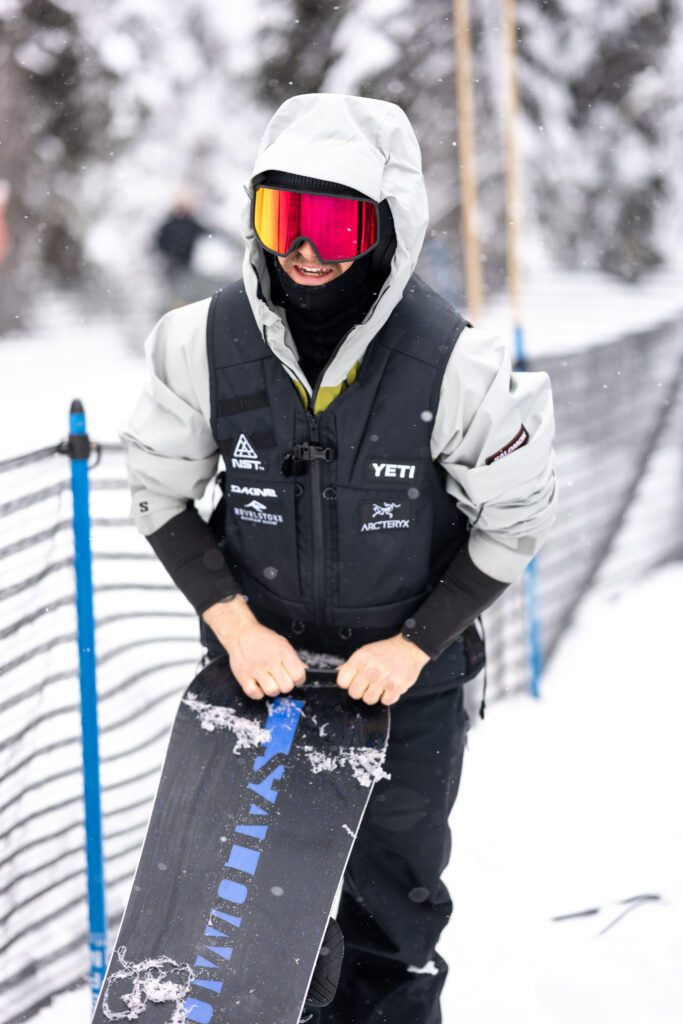
You relocated from Salt Lake City to France last year to work with Salomon Snowboards as a product developer. What does that role involve, and how has the transition been – both personally and for your snowboarding?
The transition has definitely been intense. Moving to France and then having a newborn, without a support network has added a lot of layers of logistics to everyday life. My wife and I are both American, we don’t have family nearby, and I don’t speak French yet, so there have been plenty of moments where I’ve felt pretty incapable as an adult trying to navigate things. In a weird way, it was probably good mental preparation for Natural Selection.
But the role itself has been amazing. I studied mechanical engineering for a long time. It took me about eight years to finish my degree because I was balancing school and snowboarding at the same time. My long-term goal was always to work in product design, ideally designing climbing gear or snowboards.
Originally, I was supposed to move to France in 2020 for an internship, but the pandemic cancelled that. Then snowboarding kind of had another upswing for me – winning the Freeride World Tour, riding Natural Selection – so that path got delayed.At the end of 2023, I had some uncertainties about one of my old sponsors, and at the same time, my wife and I had a mortgage to pay, a dog, and were planning to start a family. That made me start thinking again about life beyond just being a snowboarder.
I put the idea out there that I was interested in product design, and almost immediately the snowboard product developer position at Salomon opened up. I’d been riding for Salomon for twelve years, so I already knew a lot of the people there. I applied, went through the interviews, and they offered me the job in April. Eight weeks later we sold almost everything we owned and got on a one-way flight to France.
Now my role is essentially designing and shaping snowboards. I’m not designing the graphics; I’m responsible for the mechanics of the board. Dimensions, materials, shape, flex – everything that affects how a snowboard feels when you ride it.
It’s been incredibly demanding mentally, but also really fulfilling. There were months where I felt completely overwhelmed trying to understand everything at the level required. But now I feel confident that I really understand snowboards at a deep level, and being trusted with that responsibility by Salomon means a lot.
Moving continents means leaving behind the communities and mountains that shaped you. As someone who grew up in Vermont and later spent years in Salt Lake City, what parts of those places do you carry with you?
A thick American accent and a moustache. But honestly, moving away from Salt Lake was a big adjustment. I’d lived there for fourteen years, basically from adolescence into adulthood, so I had a really strong community there – friends, riding partners, people I’d grown up with in snowboarding.
When we moved to France, we underestimated how much we would miss that. Starting from scratch in a new place as an adult, especially somewhere you don’t speak the language fluently, is a pretty big reality check. If anything, it’s made me realise how important community really is. Friends, family, people you ride with – those things are easy to take for granted until they’re suddenly far away.
That said, Annecy is an incredible place to live. Being right at the doorstep of the Alps means we’re constantly outside – climbing, riding, exploring. And there’s actually a pretty strong snowboard community there as well. It’s different from Salt Lake, but the vibe is definitely still there.
Now that you’ve won the NST – alongside a Freeride World Tour championship, video parts and years of backcountry riding – where do you see your focus going next?
Right now, my focus is honestly just getting home and seeing my wife Bri, our daughter Summer, and our dog Lucy. My mom is actually there as well – a big shoutout to Grandma – she was in Revelstoke to watch me win, and two days later she flew to France to meet her first granddaughter. So she’s had a pretty amazing week.
The immediate future is mostly logistics. I’m trying to organise a trip to Alaska in April, figure out passport timing so my family can travel, and then I’m hosting an athlete product summit for Salomon right after that. But in terms of riding, I feel really fulfilled right now. In some ways, I feel like I’m at the peak of my riding, but at the same time, it also feels like I’m just getting started. After doing this for two decades, I feel like I’ve finally figured out what really works for me.
Longer term, competitive freeride snowboarding is still something I love. There’s talk about the Freeride World Tour potentially being part of the 2030 Olympics, so in some ways that’s something I’m quietly working towards.
And outside of snowboarding, I’d really like to get back into climbing after the season ends and spend as much time as possible with Bri, Summer, and Lucy
Nils is the epitome of dedication and hard work – and a perfect reminder that you don’t need to have everything figured out to excel. Sometimes all it takes is the right mindset, commitment, and a little Boney M.
INTERVIEW: MARY T. WALSH PHOTOS: ASHLEY ROSEMEYER The first day of the 2024
By the time Snow League wrapped in Aspen, the results were clear:
INTERVIEW: STELLA PENTTI PHOTOS: CRAIG ROBINSON UK-born, Avoriaz-raised, and fueled by endless energy: